Parents want their kids to get enough protein for healthy growth. Protein builds muscles and bones, and it backs immune function and hormone production, so it touches almost every part of a child’s development. For plant-based families, or for kids with dairy allergies or lactose intolerance, finding safe plant protein matters. The good news: high-quality plant proteins, especially hemp hearts and hemp protein, are both kid-friendly and nutritionally complete.
Hemp protein and hemp hearts fit a child’s needs at every age, from a toddler’s first solid foods to a teenager in the middle of a growth spurt. Whether you run a fully plant-based household or just want more variety in your child’s diet, the sections below cover protein requirements by age, safety, recipes kids actually eat, and what to check when you buy plant protein for children.
Protein needs for children by age
The first step is knowing how much protein children actually need. Requirements shift a lot by age, and they climb as kids move through each developmental stage.
For children aged 1 to 3 years, the recommended daily protein intake is about 13 grams. At this stage protein supports fast brain development, new tissue formation, and early motor skills. Toddlers get much of their protein from milk, whether breast milk, formula, or cow’s milk, plus small amounts of solid food.
Children aged 4 to 8 years need around 19 grams of protein per day. This is steady-growth territory: protein feeds muscle development, bone density, and the enzymes and hormones that keep a busy school-age child going.
Between ages 9 and 13, protein needs jump to about 34 grams per day. The pre-adolescent body is preparing for puberty, building lean mass and running through a lot of physiological change.
For teenagers aged 14 to 18, needs split by sex. Girls need about 46 grams per day, boys around 52 grams. These are the peak growth years, when a kid can nearly double their body weight and add dramatic height, muscle, and bone density. Adequate protein in these years is what lets them reach full growth potential.
Most children meet these protein needs through a balanced diet without any special planning. A cup of milk carries about 8 grams of protein, a serving of pasta with cheese around 15 grams, and a peanut butter sandwich roughly 12 grams. But families on plant-based diets, or managing food allergies, have to be more deliberate to make sure their kids get all the essential amino acids. That is exactly where plant protein for kids matters, and where hemp hearts become a genuinely useful option.
Is plant protein safe for kids?
Short answer: yes, plant proteins are safe for children when they come from good sources and sit inside a balanced diet. The idea that plant proteins are somehow inferior or unsafe for growing kids is a myth the evidence does not support.
The concept worth understanding is amino acid completeness. The body needs 20 amino acids to function, and nine are essential because it cannot make them on its own, they have to come from food. Old nutritional advice held that plant proteins were “incomplete” and that you had to combine foods carefully at every meal. Modern science says otherwise: a varied plant-based diet eaten across a full day easily supplies all nine essential amino acids. The body keeps an amino acid pool it draws from as needed, so precise pairing at individual meals is unnecessary.
Hemp protein stands out here. It is one of the few plant sources that carries all nine essential amino acids in meaningful amounts (we break down why hemp protein is a complete plant protein in a separate guide). That makes it valuable for kids whose diets do not include a wide range of other protein sources. The protein in hemp hearts comes from two highly digestible storage proteins, edestin and albumin, both of which the body processes efficiently.
On growth outcomes, research has not found a meaningful difference between kids who get protein from plants versus animals, as long as overall nutrition is adequate. Studies that follow vegetarian and vegan children find they grow and develop normally when their diets are well planned. The deciding factor is not the source of the protein, it is whether the child gets enough total calories, protein, and essential micronutrients.
That said, there are real safety points to keep in mind. Whole-food protein sources, hemp hearts, nuts, seeds, legumes, and whole grains, are better than processed powders for young children. Whole foods bring fiber, healthy fats, vitamins, and minerals that isolated powders leave out. For children under eight, the goal should be hemp hearts and other whole plant proteins in meals, not protein supplements. And any decision to add a supplement to a child’s diet should go through a pediatrician, who can weigh in based on the child’s health, growth, and nutritional needs.
Why hemp hearts are great for kids
Hemp hearts, the shelled seeds of the hemp plant, are one of the most complete and accessible plant proteins for kids. They pack nutritional density, a safe allergen profile, and real everyday versatility into a small seed. Here is what makes them work for children.
Complete protein with all nine essential amino acids
Unlike most plant proteins, hemp hearts contain all nine essential amino acids the body cannot make on its own. Those amino acids are the building blocks of every tissue in a growing child, from muscle and bone to skin, hair, and organs. The amino acid profile of hemp hearts lines up unusually well with human nutritional needs, close to the pattern found in human blood plasma. The two main proteins, edestin and albumin, are both highly digestible, so a child’s body pulls out and uses the amino acids efficiently.
Mild, nutty taste that kids accept
The practical question for any parent is whether the child will actually eat it. Hemp hearts have a mild, pleasantly nutty flavor that is neither bitter nor strong. Unlike some plant proteins with earthy or grassy tastes kids reject, hemp hearts blend into foods without taking over. That makes them easy to add without a fight from a picky eater.
Soft texture and easy chewing
For toddlers still learning to chew, texture matters. Hemp hearts are naturally soft and tender, needing almost no chewing effort. Ground finer or sprinkled onto yogurt, oatmeal, or applesauce, they present virtually no choking hazard, a real advantage over harder nuts and seeds. That softness also helps digestion, since the food arrives in the stomach already broken down.
Allergen-friendly profile
Food allergies worry a lot of families, and finding safe protein is hard when a child has several sensitivities. Hemp hearts are naturally free of all eight major allergens recognized by food safety authorities: peanuts, tree nuts, soy, milk, eggs, fish, shellfish, and wheat. They are generally allowed in nut-free schools and childcare settings. True hemp allergy is possible but extremely rare.
Omega-3 fatty acids for brain development
Childhood is a critical window for brain development, and omega-3s do essential work there. Hemp hearts contain alpha-linolenic acid (ALA), a plant-based omega-3 that supports the structural development of the brain and the eye’s retina. The omega-3 to omega-6 ratio in hemp hearts sits at about 3 to 1, which is considered optimal for human health. For kids who do not eat fish, hemp hearts are a valuable plant source of these fats.
Essential minerals for growing bodies
Growing bodies need a steady supply of minerals, and hemp hearts deliver the key ones in meaningful amounts. Magnesium supports bone development, muscle function, and nervous system regulation, all busy during growth spurts. Iron carries oxygen in the blood and feeds cognitive development, and iron deficiency is one of the most common nutritional gaps in childhood. Zinc backs immune function, wound healing, and cell division, all heightened during growth. Hemp hearts supply all three in bioavailable forms.
Incredibly easy to use
From a practical standpoint, hemp hearts may be the easiest food to add to a child’s meals. Sprinkle them on almost anything: oatmeal, yogurt, cereal, pasta, rice, soup, salad, toast with nut butter, or smoothies. No cooking, soaking, or prep required, and the mild flavor disappears into most dishes. For a busy parent, that simplicity is a genuine win.
Hemp protein powder for older children
Whole-food hemp hearts are the best choice for younger kids, but hemp protein powder can work as a supplemental source for children aged eight and up. As kids get more active, play sports, or push through growth spurts, powder offers a convenient protein boost.
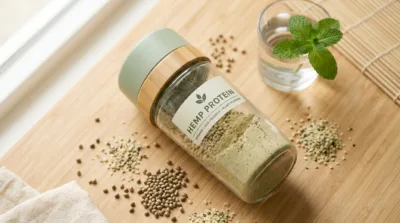
Hemp protein powder is made by cold-pressing hemp seeds to remove most of the oil, then milling the remaining seed cake into a fine powder. The result keeps much of the fiber and mineral content of the whole seed while concentrating protein to about 50 percent by weight. A typical 30-gram serving gives around 15 grams of plant protein plus fiber, iron, magnesium, and zinc.
When picking a hemp protein powder for a child, a few things matter. First, choose certified organic whenever possible. Children are more sensitive to pesticide residues and environmental contaminants than adults, so organic certification adds a layer of safety. Second, look for unflavored and unsweetened varieties. Flavored powders often hide artificial sweeteners, sugar alcohols, or lots of added sugar, none of which belong in a child’s diet. An unflavored powder folds into smoothies, pancake batter, oatmeal, or baked goods where the other ingredients supply the flavor. HEMPLAND organic hemp protein meets these criteria, with pure cold-processed hemp protein and no additives.
Dosage matters too. Start small, about half a standard serving or less, to check tolerance and digestion. Hemp protein is naturally high in fiber, which is good but can cause mild digestive changes if added too fast or in large amounts. A good starting point is one to two teaspoons in a smoothie or bowl of oatmeal, then slowly increase if it sits well.
One rule is non-negotiable: hemp protein powder should never replace a meal for a child. Kids need the calories, fats, carbohydrates, and broad micronutrients that whole foods provide, and no powder reproduces that. Hemp protein is a supplement to an already balanced diet, not a stand-in for real meals. For children under eight, whole-food hemp hearts stay the better protein choice, with better overall balance and none of the processing.
Kid-friendly hemp protein recipes
Kids eat nutritious food more readily when it shows up in a familiar, appealing form. These three simple recipes use hemp hearts and hemp protein to make snacks and meals that deliver real plant protein.
Hemp heart banana smoothie (Ages 3+)
This smoothie is creamy, naturally sweet, and takes under two minutes. The banana gives a smooth texture and natural sweetness, while the hemp hearts blend in almost invisibly, adding protein, omega-3s, and minerals without changing the flavor kids already like.
Ingredients: one ripe banana, one cup of milk of choice (dairy, oat, soy, or almond), two tablespoons of hemp hearts, and one teaspoon of honey or maple syrup (optional, for extra sweetness). Put everything in a blender and blend about 30 seconds until completely smooth. Pour and serve right away. Each serving gives about 7 grams of protein. Use a frozen banana for a thicker, colder smoothie.
Hemp protein energy balls (Ages 5+)
These no-bake energy balls are a hit with kids who like helping in the kitchen. The rolling is hands-on and fun, and the result is a bite-sized snack for lunchboxes, after-school, or on-the-go fuel.
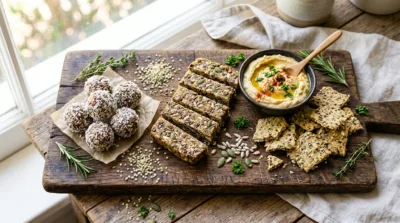
Ingredients: one cup of rolled oats, one-quarter cup of hemp hearts, two tablespoons of hemp protein powder, one-quarter cup of peanut butter or sunflower seed butter (for nut-free schools), two tablespoons of honey or maple syrup, and one tablespoon of cocoa powder. Combine everything in a bowl and stir until a uniform dough forms that holds together when pressed. If it is too dry, add a splash of milk or a bit more nut butter. Roll into balls about one inch across, you should get 12 to 14. Place on a plate or baking sheet and refrigerate at least 30 minutes to firm up. Each ball has roughly 3 grams of protein. Store in the refrigerator up to one week.
Hemp heart yogurt parfait (Ages 1+)
This parfait works for the youngest eaters and adapts easily for older kids. The layering looks fun, and the mix of creamy yogurt, juicy berries, and tiny hemp hearts is easy for toddlers to manage.
Ingredients: one-half cup of Greek yogurt or plant-based yogurt, one tablespoon of hemp hearts, one-quarter cup of fresh or thawed frozen berries (blueberries, raspberries, or sliced strawberries), and one teaspoon of granola (omit for children under two if granola is a choking concern). In a small cup or bowl, layer half the yogurt, then half the berries and hemp hearts. Repeat with the rest. Top with granola if using. Serve right away. Each parfait gives about 8 grams of protein. For the youngest eaters, grind the hemp hearts lightly in a spice grinder for an even softer texture.
Hemp hearts vs other protein sources for kids
Parents comparing plant proteins naturally want to know how the options stack up. Hemp hearts hold clear advantages over several common sources.
Hemp hearts vs dairy
Dairy is a traditional kid protein, but it does not work for everyone. Lactose intolerance affects a large share of the population, and milk allergy is one of the most common childhood food allergies. For kids who cannot have dairy, or families who skip it, hemp hearts are a dairy-free alternative that still delivers high-quality protein. Unlike dairy, hemp hearts also bring fiber, about 1 gram per tablespoon, that supports digestion, something dairy offers none of. Hemp hearts add omega-3 fatty acids that standard dairy lacks.
Hemp hearts vs nuts
Nuts are another good source of protein and healthy fats, but they carry real limits for kids. Tree nut and peanut allergies rank among the most common childhood allergies and can be life-threatening. Even without allergies, many schools and childcare centers are nut-free, so nut snacks cannot go in lunchboxes. Hemp hearts are not classified as a tree nut and are generally allowed in nut-free settings. They are also softer than most nuts, easier and safer for young children to chew and swallow.
Hemp hearts vs soy
Soy is one of the most consumed plant proteins, but it has downsides for kids. Much of today’s soy protein comes as highly processed isolates, stripped of the fiber, fats, and micronutrients in whole soybeans. Soy is also one of the top eight allergens, and soy allergy is fairly common in children. Hemp hearts are a whole food with minimal processing, and hemp allergy is extremely rare, making them a gentler first plant protein.
Hemp hearts vs meat
Meat gives complete protein with high bioavailability, but no fiber, and it can be hard for very young kids to chew well. Ground or finely chopped meat works for toddlers, but it takes more prep than sprinkling hemp hearts onto food you already serve. Hemp hearts add dietary fiber, important for digestive health, that meat does not. For families cutting back on meat for environmental, ethical, or health reasons, hemp hearts are a convenient protein bridge that fits plant-forward meals.
Hemp hearts vs pea protein
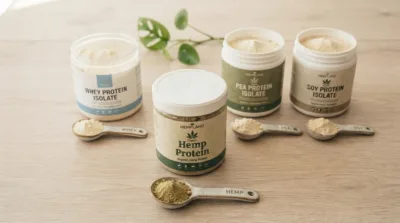
Pea protein has grown popular in recent years, showing up in powders and plant-based meats. But pea protein is incomplete on its own because it runs low in the essential amino acid methionine. Hemp hearts, by contrast, are a complete protein with meaningful levels of all nine essential amino acids. Pea protein also usually comes as an isolated powder, while hemp hearts are a whole food with the full package: protein, healthy fats, fiber, vitamins, and minerals.
What to look for in plant protein for kids
Choosing plant protein for kids means more than reading the protein number on the label. Children’s bodies are more sensitive to contaminants and additives than adults’, so quality standards count. Here is what to check.
Organic certification
Pesticide residues are a real concern for kids, whose smaller size and developing organs make them more vulnerable to agricultural chemicals. Hemp is a bioaccumulator, meaning the plant pulls substances from the soil it grows in, which makes organic growing especially important. Certified organic hemp is grown without synthetic pesticides, herbicides, or chemical fertilizers. HEMPLAND organic hemp hearts are certified organic, which gives parents confidence in the product’s purity.
No artificial ingredients
Many protein products marketed to adults carry artificial sweeteners, flavors, colors, and preservatives that have no place in a child’s diet. The ideal plant protein for kids has a single ingredient. For hemp hearts, the label should simply read “organic hulled hemp seeds.” For hemp protein powder, it should read “organic hemp protein powder.” If a product lists ingredients you cannot pronounce or would not find in a home kitchen, it is probably not the best pick for a child.
No added sugars
Added sugar is everywhere in children’s food, and protein powders and bars are no exception. Some flavored plant proteins carry as much sugar per serving as a candy bar. For kids, protein products should be unflavored and unsweetened, with zero grams of added sugar. The natural mild nuttiness of hemp hearts and hemp protein tastes fine on its own, and you can sweeten with whole fruit in smoothies and recipes.
Third-party testing for heavy metals
Heavy metal contamination has drawn more attention in the protein powder and supplement world. Lead, cadmium, arsenic, and mercury can build up in plants grown in contaminated soil, and children are far more vulnerable to the neurotoxic effects of these metals than adults. Reputable brands run third-party heavy metal testing and share the results. This should be standard practice, and parents should favor brands that are transparent about their testing. HEMPLAND tests its products for purity to meet strict safety standards.
Prefer whole food forms
For most children, whole-food protein sources beat processed powders nutritionally. Whole hemp hearts carry not just protein but the healthy fats, fiber, vitamins, and minerals naturally present in the seed. The fiber supports digestion, the fats help absorb fat-soluble vitamins, and the complete package simply cannot be replicated in an isolated powder. Powders can support older kids with higher protein needs, but whole-food hemp hearts should form the foundation of plant protein for kids.
Common concerns addressed
Parents reasonably have questions before adding a new food. Here are the most common ones about bringing hemp hearts and hemp protein into a child’s diet.
Will hemp protein get my child high?
This is the most asked question, and the answer is an emphatic no. Hemp seeds, the source for both hemp hearts and hemp protein powder, contain no THC, the psychoactive compound in some cannabis varieties. Hemp seeds are not intoxicating in any way and are legally sold as food in countries around the world. The hemp plants grown for food are different cultivars from those grown for other purposes, with only trace THC that is undetectable in the seeds. Parents can be completely confident that feeding kids hemp hearts or hemp protein produces no psychoactive effect.
Is it safe for toddlers?
Hemp hearts are safe for children aged one and older, with a few sensible precautions. For the youngest eaters, grind the hearts lightly in a spice grinder for a finer texture that is easier to swallow, then sprinkle onto soft foods like yogurt, applesauce, mashed banana, or oatmeal. As with any new food, introduce hemp hearts one at a time, with a few days between other new foods, so you can spot any reaction. For children under one year, check with a pediatrician before introducing hemp seeds or anything beyond standard infant feeding.
Can my child be allergic to hemp?
In theory, the body can react to almost any protein, but true hemp allergy is extremely rare. The medical literature documents very few cases of hemp seed allergy, and hemp hearts are not among the common food allergens. That stands in contrast to peanuts, tree nuts, milk, eggs, soy, and wheat. As with any new food, start with a small amount and watch for hives, swelling, breathing difficulty, or digestive distress. If any of those appear, stop the food and seek medical advice.
Will it affect my child’s growth?
Far from hurting growth, hemp protein actively supports healthy development. The complete amino acid profile of hemp hearts supplies every protein building block a growing body needs, while the omega-3 fatty acids feed brain and eye development. The minerals in hemp hearts, magnesium, iron, zinc, and phosphorus, support bone formation, oxygen transport, immune function, and cell growth. There is no evidence that hemp protein impairs growth in any way. If anything, its nutritional profile lines up well with what developing children need, and for plant-based kids it can be an important contributor to daily protein and nutrient targets.
Conclusion
Plant protein from hemp hearts and hemp protein is a safe, nutritious, and practical choice for children at every stage of growth. The numbers make the case: kids need about 13 grams of protein a day at age 1 to 3, rising to 34 grams by age 9 to 13 and 46 to 52 grams for teens. Hemp hearts meet that need with a complete protein, all nine essential amino acids, an omega-3 to omega-6 ratio near 3 to 1, and real minerals like magnesium, iron, and zinc.
What sets hemp hearts apart is the combination of completeness and convenience. They are free of the top eight allergens, need no cooking, and sprinkle onto almost any food a child already eats. Their mild taste and soft texture win over picky eaters, and their whole-food form delivers the full nutritional package rather than isolated protein.
For plant-based or allergy households, hemp hearts check the boxes most parents worry about: complete protein without dairy or soy, no top-eight allergens, and a texture kids accept. Start with a teaspoon in oatmeal or yogurt, and treat powder as a supplement from age eight up, never a meal replacement. HEMPLAND organic hemp hearts are cold-processed to preserve nutrition, tested for purity, and certified organic, free of pesticides, additives, and the top eight allergens. For parents wanting clean, complete organic hemp hearts, HEMPLAND meets the highest standards of quality and safety. For older children who may benefit from supplementation, HEMPLAND organic hemp protein provides pure, additive-free plant protein in a convenient powder.
For practical dosing by age, our guide on how much hemp hearts per day lays out amounts for every stage. Expectant mothers can also read our article on hemp seeds during pregnancy and breastfeeding.
With the right information and quality products, plant protein for kids becomes not just a safe alternative but a genuinely strong choice for raising healthy, thriving children.
Contact Us for more information about HEMPLAND organic hemp hearts and hemp protein, or to learn more about bringing hemp foods into your family’s daily nutrition.
—
Recommended Products
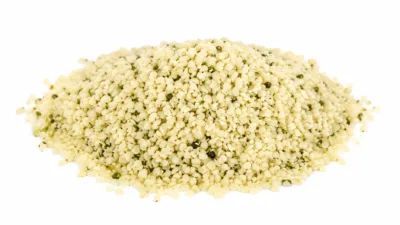
Organic Hemp Hearts
Premium organic hulled hemp seeds (shelled hemp hearts) — 33% complete plant protein, perfect…
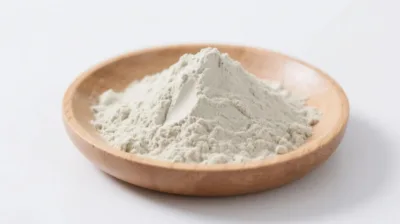
Organic Hemp Seed Protein
Premium organic hemp seed protein powder — 70%, 75%, 80% protein grades. Complete plant…