Why people ask about hemp protein side effects
Plant-based protein powders have moved from niche supplement shelves into mainstream kitchens, and hemp seed protein has become one of the most talked-about options. As more athletes, fitness enthusiasts, and health-conscious consumers switch from animal-derived proteins to plant-based alternatives, safety questions naturally follow. Among them, understanding the potential hemp protein side effects is one of the most searched topics.
Unlike whey or casein, which have been studied for decades, hemp seed protein is still relatively new in the consumer market. That creates uncertainty. People want to know whether this protein source will cause bloating, strain their kidneys, interact with medications, or trigger unexpected reactions. Those are fair concerns, and they deserve clear, evidence-based answers.
The science on hemp protein’s impact on kidney function, digestive health, and long-term safety, and on how it compares to whey, the standard most people are trying to move away from, is laid out below.
Is hemp protein good for you?
Before looking at potential drawbacks, it helps to see why hemp protein earned its reputation as a high-quality nutrition source in the first place.
Hemp seed protein comes from Cannabis sativa L., the non-psychoactive variety, and delivers a complete amino acid profile with all nine essential amino acids the body cannot make on its own. That sets it apart from many other plant proteins that need complementary sources to reach completeness.
Here is what makes hemp protein a high-quality source:
- Complete protein profile: hemp seed protein provides adequate amounts of all essential amino acids, including the often-limiting lysine and methionine found in other plant sources.
- High digestibility: studies indicate hemp protein digestibility runs between 86 and 98 percent, comparable to many animal proteins and higher than some legume-based alternatives.
- Rich mineral content: hemp protein carries meaningful iron, magnesium, zinc, and phosphorus, minerals that support energy metabolism, immune function, and bone health.
- Natural fiber: unlike heavily processed isolate proteins, hemp protein typically keeps the dietary fiber from the seed, which supports satiety and digestive regularity.
- No known allergens: hemp does not fall into the major allergen categories (soy, dairy, nuts, gluten), which makes it suitable for people with multiple food sensitivities.
- Sustainable sourcing: hemp cultivation needs minimal water and no synthetic pesticides when grown organically, which lines up with environmentally conscious values.
For a deeper look at what makes hemp seed protein nutritionally complete, our detailed guide breaks down the amino acid composition and bioavailability.
That said, “good for you” does not mean “free from side effects.” Understanding both sides lets you make an informed decision.
Common digestive side effects: bloating, gas, and stomach discomfort
The most frequently reported hemp protein side effects relate to digestion. While many people tolerate hemp protein without issue, a subset experience mild to moderate gastrointestinal symptoms, especially during early use.
Why digestive issues occur
Hemp protein powder contains roughly 10 to 18 percent dietary fiber by weight, depending on processing method (concentrate versus isolate). Fiber is beneficial overall, but a sudden increase can overwhelm the gut microbiome, leading to:
- Bloating and abdominal distension from gas produced during fiber fermentation by colonic bacteria
- Flatulence, a normal byproduct of soluble and insoluble fiber breakdown
- Loose stools or mild diarrhea, especially if you raise your serving size too quickly
- Mild cramping, usually temporary as your digestive system adapts
These symptoms are not unique to hemp protein. They show up with any high-fiber food introduced abruptly. The difference is that concentrated powder makes it easy to eat a large amount of fiber in one sitting compared to whole foods.
How to minimize digestive discomfort
If you notice gastrointestinal symptoms after hemp protein, try these steps:
- Start with half the recommended serving size for the first week.
- Take your shake with a meal rather than on an empty stomach.
- Stay well hydrated through the day, fiber needs water to move through the digestive tract smoothly.
- Consider switching to a more refined hemp protein isolate, which contains less fiber than concentrate versions.
- Blend your protein into smoothies rather than mixing with just water, since the other ingredients can buffer gastric irritation.
For readers who want clinical context on how hemp protein interacts with gut health conditions, our article on gastroenterologist perspectives provides the details.
Most people find digestive symptoms resolve within 7 to 14 days as their bodies adjust. If symptoms persist past that window, stop use and consult a healthcare provider.
Is hemp protein safe for kidneys? a closer look at renal load
Kidney safety may be the single most common concern among people considering plant-based protein supplements. It usually comes from two places: prior discomfort with high-protein diets, or a pre-existing kidney condition that requires limiting dietary protein.
The science behind protein and kidney function
Dietary protein metabolism produces nitrogenous waste (mainly urea) that healthy kidneys filter efficiently. The concern appears when kidney function is already compromised, in those cases reducing protein load becomes clinically necessary.
Here is where hemp protein offers meaningful advantages:
- Moderate protein density per serving: a typical 30g serving of hemp protein powder delivers about 15 to 20g of actual protein. That is lower than the same weight of whey isolate (22 to 25g), which means lower total nitrogen waste per serving.
- No purine overload: unlike certain animal proteins (especially red meats and organ meats), hemp seeds contain negligible purines. High-purine foods raise uric acid levels, which can stress kidneys over time.
- Alkalizing effect: some research suggests plant-based proteins produce less acid load on the body than animal proteins, potentially easing the long-term burden on renal acid-base regulation.
For people with healthy kidney function, current evidence suggests hemp protein poses no meaningful risk to renal health when eaten within recommended amounts. In fact, nephrologists have noted favorable bloodwork results in patients who switched from animal proteins to hemp seed protein.
Who needs to be cautious
If you have been diagnosed with chronic kidney disease (CKD stages 3 to 5), are on dialysis, or have been medically instructed to limit protein intake, do not add any protein powder, hemp-based or otherwise, without explicit approval from your nephrologist. Your protein needs must be calculated from your glomerular filtration rate (GFR) and individual metabolic requirements.
What are the downsides of hemp protein?
Beyond digestive tolerance and kidney considerations, there are practical and nutritional downsides worth naming. An honest assessment sets realistic expectations.
Taste and texture
Hemp protein has a distinct earthy, nutty flavor that some people like and others call grassy or bitter. That taste comes from chlorophyll residues and the natural lipid profile of hemp seeds. Next to the neutral or artificially sweetened taste of many whey proteins, hemp protein can be an adjustment. Chocolate or vanilla varieties mask much of it, but unflavored versions are noticeably different.
Texture is another factor. Hemp protein does not dissolve as smoothly as whey. It tends to be slightly gritty even after vigorous blending. That is not a defect, it reflects the minimally processed nature of the product, but it matters if you expect a silky-smooth shake.
Cost considerations
Quality organic hemp protein usually costs more per gram of protein than conventional whey. The reasons include smaller-scale production, organic certification requirements, and a hemp processing infrastructure that is still maturing. For budget-conscious shoppers, that premium is a real downside.
Cost analysis should weigh the full picture, though: hemp protein also delivers fiber, minerals, and healthy fats (including omega-3 and omega-6 fatty acids) in each serving, while whey isolates are stripped down to nearly pure protein. You get more than just protein per dollar, even if the absolute price is higher.
Protein concentration
Hemp protein concentrates generally contain 45 to 55 percent protein by weight, while isolates reach 70 to 80 percent. Whey protein isolates routinely exceed 90 percent. If your main goal is maximizing protein per scoop while minimizing calories, hemp protein may need larger servings to hit your target numbers.
Availability and consistency
While improving quickly, the hemp protein market still sees occasional supply inconsistencies, formulation changes between batches, and a smaller brand selection than the saturated whey market. Sourcing from established suppliers like HEMLAND’s organic hemp seed protein line helps ensure consistent quality, but not every brand holds the same standards.
Who should not take hemp protein?
While hemp protein is well tolerated by most people, specific populations should be cautious or avoid it entirely.
1. Individuals with severe gastrointestinal disorders
People diagnosed with conditions like Crohn’s disease, ulcerative colitis, or short bowel syndrome should consult their gastroenterologist before adding any high-fiber protein supplement. During active flare-ups, more fiber can worsen inflammation and symptoms.
2. People taking blood-thinning medications
Hemp seeds contain modest amounts of vitamin K, which plays a role in blood clotting. Although the quantities in a standard serving are unlikely to interfere significantly with anticoagulant therapy (warfarin, for example), anyone on blood thinners should discuss supplementation with their prescribing physician.
3. Pregnant and breastfeeding women
There is not enough clinical research to establish the safety of concentrated hemp protein supplementation during pregnancy and lactation. Whole hemp seeds eaten as part of a normal diet are generally considered safe, but concentrated protein extracts sit in a regulatory gray area. Consult your obstetrician before use.
4. Individuals with hemp or cannabis allergies
True hemp allergy is rare but documented. Symptoms range from mild oral itching to systemic reactions including hives, breathing difficulty, and anaphylaxis in severe cases. If you have had allergic reactions to cannabis-related plants, avoid hemp protein entirely unless supervised by an allergist.
5. Those subject to workplace drug testing
Although hemp protein from reputable manufacturers undergoes rigorous testing to keep THC below detectable thresholds (typically under 0.03 percent or undetectable), people in safety-sensitive positions subject to drug testing should know the theoretical risk. We cover the specifics of drug test concerns in detail here.
Is hemp seed protein better than whey protein?
This question dominates online discussions, and the honest answer depends entirely on your priorities. Neither protein is universally “better,” they excel in different areas.
Where hemp protein wins
| Factor | Advantage |
|---|---|
| Allergen-free | Contains no dairy, soy, lactose, or gluten |
| Digestibility for sensitive stomachs | Less likely to cause the bloating and acne-like skin reactions some people see with whey |
| Fiber content | Source of dietary fibre |
| Sustainability | Lower environmental footprint than dairy farming |
| Mineral density | Naturally richer in iron, magnesium, and zinc |
Where whey protein wins
| Factor | Advantage |
|---|---|
| Protein concentration per gram | Higher purity means smaller servings for equivalent protein |
| Leucine content | Superior muscle protein synthesis stimulation from higher branched-chain amino acid ratios |
| Taste and mixability | Dissolves completely with a smooth texture |
| Cost efficiency | Generally cheaper per gram of protein |
| Research base | Decades of clinical studies backing performance claims |
The practical verdict
If you are lactose-intolerant, vegan, concerned about dairy’s environmental impact, or simply want a protein source that comes with built-in fiber and minerals, hemp protein is the better choice for you. If your only priority is maximum muscle-building protein per dollar with proven athletic performance data, whey keeps the edge.
Many consumers actually use both strategically, whey post-workout for rapid absorption and hemp at other times for sustained nutrition. That hybrid approach captures the strengths of each.
Hemp protein also compares favorably to pea protein, another popular plant alternative. Our head-to-head analysis explores the hemp versus pea protein debate in depth.
THC concerns: will hemp protein show up on a drug test?
One of the most persistent questions about any hemp-derived product involves tetrahydrocannabinol (THC), the psychoactive compound associated with marijuana.
The facts
- Industrial hemp (Cannabis sativa L.) grown for food is legally required to contain less than 0.3 percent THC in dried flower material under U.S. federal law, with similar international standards.
- During hemp protein manufacturing, the seeds are cleaned, dehulled, and processed through methods that further reduce any trace THC present.
- Third-party lab testing of commercial hemp protein products consistently shows either undetectable THC or levels so small (often below 1 part per million) that they would not trigger a positive result on standard workplace drug screens.
When concerns are validated
There have been isolated reports of individuals testing positive for THC metabolites after consuming large amounts of hemp seed oil or hemp protein over extended periods. These cases typically involved:
- Products made from poorly processed material where leaf matter contaminated the seed supply
- Extremely sensitive drug testing protocols (such as those used in military or elite athletic settings) with detection limits far below standard cutoffs
- Consumption amounts far beyond typical supplemental use
How to protect yourself
To remove this risk entirely, buy only from brands that provide certificates of analysis (COAs) from accredited third-party laboratories confirming THC levels at or below detection limits. HEMLAND’s organic hemp seed protein undergoes comprehensive batch testing to meet strict safety standards.
Heavy metal and contaminant risks: the cadmium question
A less discussed but scientifically legitimate concern is heavy metal accumulation in hemp plants. Hemp is a “bioaccumulator,” meaning it pulls substances from soil efficiently, including both nutrients and contaminants like cadmium, lead, and arsenic.
What the research shows
Studies analyzing hemp cultivated in various regions have found that cadmium accumulation varies sharply based on:
- Soil composition and history of the growing area
- Proximity to industrial pollution sources
- Cultivar (specific hemp strain) used
- Processing methods used during protein extraction
Organic certification gives meaningful protection because organic farming standards restrict contaminated soils and require regular soil testing. Organic status alone, though, does not guarantee zero heavy metals, it reduces but does not eliminate the plant’s natural bioaccumulation property.
What consumers should do
- Choose products tested for heavy metals: reputable brands publish COAs showing cadmium, lead, arsenic, and mercury levels. Review them before buying.
- Prefer North American or European-sourced hemp: regulatory frameworks in these regions generally enforce stricter contaminant limits than less regulated markets.
- Avoid the cheapest options: suspiciously low-priced hemp protein may cut corners on sourcing and testing.
- Rotate protein sources: even at safe levels, varying your protein across multiple sources prevents any single contaminant pathway from concentrating in your body over time.
How to use hemp protein safely
Getting the benefits while minimizing hemp protein side effects comes down to smart introduction habits and consistency.
Starting out: the two-week ramp-up protocol
| Week | Serving Size | Frequency |
|---|---|---|
| Week 1 | 10 to 15g (about ½ scoop) | Once daily, with food |
| Week 2 | 15 to 22g (about ¾ scoop) | Once or twice daily, with food |
| Week 3+ | Full recommended serving | As needed for goals |
This gradual approach gives your digestive system time to adapt to the added fiber and protein load.
Optimal timing
There are no hard rules about when to take hemp protein, but timing can shape results:
- Morning: blended into oatmeal or smoothies for sustained energy through the day. The fiber supports a stable blood sugar response.
- Post-workout: taken within 60 minutes of exercise to support muscle recovery. Note that hemp protein absorbs more slowly than whey, making it slightly less ideal for immediate post-training needs but excellent for prolonged amino acid availability.
- Between meals: used as a satiety-supporting snack. Research suggests hemp protein’s fiber and fat content contributes meaningfully to feelings of fullness.
Creative incorporation tips
Hemp protein works well beyond basic shakes. Incorporating it into everyday recipes expands your options significantly:
- Stir 1 to 2 tablespoons into yogurt or oatmeal
- Mix into pancake or waffle batter
- Fold into energy ball recipes with nut butter and dates
- Add to homemade granola bar formulations
- Blend into soups for a subtle protein boost without changing the flavor profile
Dosage guidelines
For most adults, 30 to 50g of hemp protein powder per day (providing roughly 15 to 25g of actual protein) is a safe and effective range. Athletes in intensive training may go slightly higher (up to 70g of powder), but returns diminish beyond that and digestive discomfort becomes more likely.
Hemp protein powder vs. hemp peptide powder: a quick note
As you shop for hemp-based protein products, you may see both “hemp protein powder” and “hemp peptide powder” on the shelf. They are related but distinct.
Hemp protein powder is made through mechanical separation and sometimes aqueous extraction, preserving the intact protein structures along with fiber and some lipids. Hemp peptide powder goes through additional enzymatic hydrolysis that breaks proteins into shorter chains (peptides). This can improve solubility and potentially raise the absorption rate for certain amino acids.
Both share the same safety profile and side effect considerations. The choice between them depends on your needs for solubility, taste preference, and intended use. We provide a full comparison guide for those deciding between formats.
Conclusion
Hemp protein is a nutritious, versatile, and generally safe option for the vast majority of people who want a plant-based protein source. Its side effects are typically mild, mostly digestive, and often resolve as the body adapts to more fiber. For people with healthy kidney function, hemp protein carries no greater risk, and potentially fewer, than common animal-derived proteins, thanks to its moderate protein density, low purine content, and alkalizing properties.
The groups that should approach hemp protein with caution are clearly defined: people with severe GI conditions, those on blood thinners, pregnant and breastfeeding women, people with documented hemp allergies, and those under strict workplace drug testing. Outside those groups, hemp offers a strong package of complete amino acids, dietary fiber, essential minerals, and sustainable production.
Weighed against whey, hemp trades some raw protein concentration and leucine potency for better allergen safety, gentler digestion, and lower environmental impact. Neither is objectively superior, the right choice depends on your physiology, priorities, and lifestyle.
To keep hemp protein side effects minimal, start with reduced servings, choose reputable manufacturers with transparent third-party testing, pay attention to how your body responds in the first two weeks, and fold the protein gradually into a balanced diet rather than treating it as a standalone solution.
For those ready to try high-quality hemp protein from certified organic hemp, HEMLAND’s organic hemp seed protein product page offers detailed specifications, batch-specific COAs, and purchasing options. If you have questions about whether hemp protein fits your specific situation, Contact Us, our team is happy to help you sort through the options.
Disclaimer: This article provides general information and is not a substitute for professional medical advice. Always consult with a qualified healthcare provider before beginning any new supplement regimen, especially if you have existing medical conditions or take prescription medications.
Frequently asked questions
Q: Is hemp protein safe for long-term daily use?
A: For most healthy adults, yes, hemp protein is well tolerated; start with moderate serving sizes to assess digestive comfort.
Q: Can hemp protein affect kidneys or the gut?
A: Hemp protein is not linked to kidney harm in healthy users; some first-time users report mild bloating that typically eases as the gut adapts.
Q: Will hemp protein show up on a drug test?
A: No, hemp protein contains only trace, non-psychoactive THC and does not cause a positive drug screen.
Related articles
- Hemp protein vs whey, pea, and soy
- Will hemp protein show up on a drug test
- Organic hemp peptide powder benefits
Recommended Products
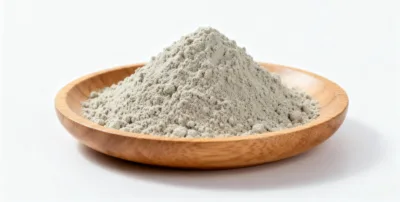
Hemp Peptide Powder
Highly bioavailable, easily digestible plant protein with functional benefits from organic hemp.
Related Posts