Clean-label formulators tend to judge protein ingredients on two things: protein quality, and what survives processing. Organic hemp seed protein powder scores well on both counts, but its mineral content deserves more attention than it usually gets. Unlike isolated protein sources that lose micronutrients through intensive refining, hemp protein carries a broad spectrum of naturally occurring minerals through to the finished product.
Iron, magnesium, zinc, potassium, phosphorus. That combination is difficult to replicate with fortification alone, and it speaks directly to today’s functional food and beverage market.
—
1. Iron: natural support for energy and vitality
Iron deficiency remains one of the most common nutritional gaps worldwide, especially among women, vegetarians, and older adults. Organic hemp seed protein provides iron in a highly bioavailable form, supporting oxygen transport, energy metabolism, and cognitive performance while helping reduce fatigue.
Measured against other plant proteins, hemp contains significantly more natural iron. That makes it a valuable base for meal replacement shakes, women’s nutrition products, high-energy snacks, and senior nutrition formulas. For brands, it adds a genuine nutritional claim without relying on synthetic iron fortification.
—
2. Magnesium: essential for stress reduction and muscle function
Magnesium plays a role in more than 300 biochemical processes, including muscle relaxation, nerve function, protein synthesis, and heart health. Hemp seeds are naturally rich in the mineral, and that richness carries through into the protein.
The practical benefits show up across audiences: muscle recovery for athletes, stress relief and better sleep quality for everyone else, plus contributions to cardiovascular balance and healthy blood sugar levels. Sports nutrition blends, wellness-focused beverages, and functional powders targeting stress and recovery are the obvious applications. Getting magnesium from a whole-food ingredient aligns far better with clean-label development than adding a mineral salt after the fact.
—
3. Zinc: a key mineral for immune strength and metabolism
Zinc is widely recognized for immunity, and it also matters for growth, hormone regulation, skin health, and enzyme function. Supplements and fortified foods carry plenty of it, but zinc from whole-food sources like hemp protein tends to earn more consumer trust and absorbs well.
In organic hemp protein powder, zinc helps support immune defense, skin health, hormonal balance, normal metabolism, and antioxidant protection. With immune wellness a global priority, manufacturers gain a natural and marketable zinc source, one that is especially valuable for plant-based consumers who may run short on dietary zinc.
—
4. Potassium and phosphorus: supporting hydration, strength, and cellular health
Alongside iron, magnesium, and zinc, hemp protein offers notable levels of potassium and phosphorus. Potassium supports hydration and electrolyte balance, muscle strength, and energy production, and it is often limited in processed foods. Phosphorus contributes to bone health and healthy cell structure.
This pairing makes hemp protein a strong candidate for hydration drinks, post-workout shakes, high-performance nutrition bars, and functional breakfast foods.
—
5. Naturally balanced mineral synergy
What makes organic hemp seed protein powder different is not just the presence of these minerals but their natural balance. Isolated mineral fortification can stress digestion or cause absorption conflicts; minerals occurring together in a whole food come in ratios the body utilizes effectively.
This whole-food synergy enhances bioavailability, digestibility, nutritional integrity, and clean-label transparency at once. Manufacturers can promote naturally occurring minerals with confidence, which is a strong selling point for premium health-focused products.
—
6. Ideal for a wide range of functional applications
The mineral-rich profile creates opportunities across several market categories:
• Functional beverages and RTDs
Smoothies, plant-based milks, and recovery drinks.
• Sports and performance nutrition
Protein powders, endurance bars, electrolyte-enhanced blends.
• Healthy snacks and bakery products
Granola bars, cookies, cereals, muffins.
• Meal replacements
High-nutrition shake powders and functional food mixes.
• Wellness and immune-support formulas
Clean-label products targeting health-conscious customers.
With demand for natural mineral sources rising, products containing organic hemp protein hold a visible competitive edge.
—
Organic hemp seed protein powder is far more than a clean, plant-based protein source. Its mineral content, covering iron, magnesium, zinc, potassium, and phosphorus, makes it a credible whole-food ingredient for brands developing nutrient-dense, clean-label products.
As consumers continue to prioritize natural nutrition and transparent sourcing, those mineral benefits give manufacturers in sports nutrition, functional foods, plant-based beverages, and dietary supplements something concrete to say.
—
Recommended Products
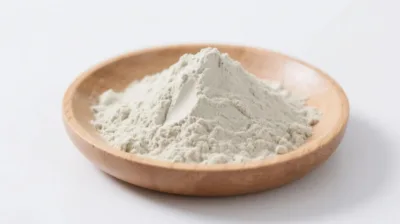
Organic Hemp Seed Protein
Premium organic hemp seed protein powder — 70%, 75%, 80% protein grades. Complete plant…
Related Posts