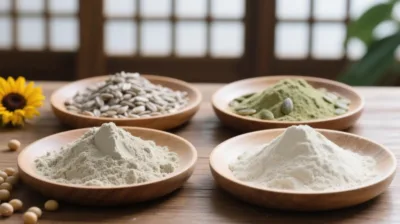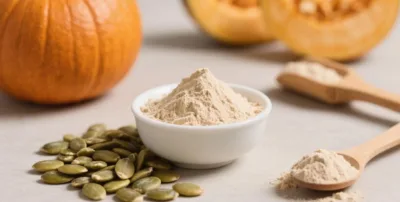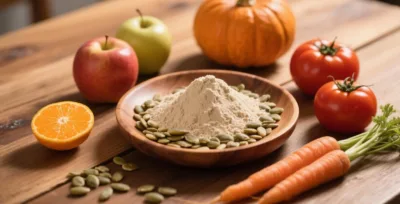
Pumpkin seeds often get tossed aside, yet they pack real nutritional density that has caught the eye of researchers and food makers. Organic pumpkin seed protein powder concentrates that value into a versatile supplement for athletes, health-minded shoppers, and developers after a differentiated plant protein.
This guide walks through pumpkin seed protein’s full nutritional profile: amino acids, minerals, bioactive compounds, and how it works for both individual users and commercial formulators.
Understanding pumpkin seed protein production
Before the numbers, it helps to know how the powder is made.
- Seed preparation: pumpkin seeds are cleaned, dried, and hulled to remove the shell. Only the inner kernel enters extraction.
- Oil pressing: mechanical pressing pulls out pumpkin seed oil, the premium culinary oil valued for its deep green color and distinct flavor. This step removes roughly 40-50% of the seed’s oil.
- Protein extraction: the remaining defatted meal is milled and classified to concentrate protein. Aqueous extraction followed by drying yields concentrates of 50-60% protein by weight.
- Quality variations: processing conditions shift final protein quality, digestibility, and function. Cold-processed proteins generally keep more heat-sensitive nutrients, while mechanical extraction preserves function.
Amino acid composition
Protein quality rests on amino acid composition, especially the essential amino acids the body cannot make.
Essential amino acid profile
Pumpkin seed protein supplies all nine essential amino acids needed for human nutrition:
| Amino Acid | Content (g per 100g protein) | Human Requirement | Quality Notes |
|---|---|---|---|
| Leucine | 6.5g | 4.2% of calories | Moderate; supports muscle synthesis |
| Isoleucine | 4.2g | 2.8% of calories | Good BCAA content |
| Valine | 5.2g | 3.9% of calories | Supports energy metabolism |
| Lysine | 4.5g | 5.1% of calories | Moderate; complementary to grains |
| Methionine | 1.9g | 2.2% of calories | Good for seed protein |
| Threonine | 3.1g | 2.5% of calories | Adequate coverage |
| Tryptophan | 1.7g | 0.6% of calories | Excellent; notably high |
| Phenylalanine | 4.6g | 3.9% of calories | Adequate coverage |
| Histidine | 2.3g | 1.5% of calories | Adequate for adults |
Notable amino acid characteristics
- Tryptophan: pumpkin seed protein carries unusually high tryptophan versus other plant proteins. Tryptophan is a precursor for serotonin, the neurotransmitter tied to mood and sleep. That trait positions pumpkin protein for wellness products aimed at relaxation and sleep.
- Arginine: not essential, but arginine aids wound healing, immune function, and cardiovascular health through nitric oxide. Pumpkin protein supplies meaningful arginine.
- BCAAs: pumpkin seed protein delivers useful BCAAs (leucine, isoleucine, valine). It does not match whey’s BCAA concentration, but it covers muscle protein synthesis well enough for recreational athletes and everyday users.
Protein digestibility and bioavailability
Quality depends on digestibility, how much of the protein the body actually absorbs and uses.
- Digestibility coefficient: research puts pumpkin seed protein digestibility at 85-90%, in line with other plant proteins and moderately below whey’s 95%+.
- Anti-nutrient effects: like other plant proteins, pumpkin seeds carry phytates and tannins that modestly cut mineral absorption. They leave protein digestibility itself largely untouched.
- PDCAAS: pumpkin protein’s Protein Digestibility Corrected Amino Acid Score lands near 0.85-0.90, good but not excellent. That places it among the better plant proteins, with beans and peas, below soy and well below dairy or egg.
Mineral content: a significant advantage
Beyond protein, pumpkin seed protein brings minerals that lift its value.
- Zinc: pumpkin seeds rank among the richest common-food zinc sources. Zinc supports immunity, wound healing, protein synthesis, and hundreds of enzymatic reactions. One serving gives roughly 20-30% of daily zinc needs.
- Magnesium: key for energy metabolism, muscle function, and nerve regulation. Athletes and stressed individuals benefit most from steady intake.
- Potassium: supports electrolyte balance and cardiovascular health alongside the protein.
- Iron: important for plant-based eaters and women of reproductive age. The non-heme iron adds to overall intake; pairing with vitamin C lifts absorption.
- Selenium: content varies with soil, but pumpkin seeds generally supply enough for antioxidant enzyme function.
Bioactive compounds
Pumpkin seed protein carries compounds beyond macros and minerals.
- Phytosterols: plant sterols structurally similar to cholesterol. Both the oil and the protein hold meaningful phytosterol content.
- Antioxidant compounds: cucurbitacin and related compounds show antioxidant activity in lab studies. Concentrations in the powder are modest but add to overall value.
- Fiber: extraction keeps some dietary fiber, aiding digestion and satiety. Content varies by method, usually 3-8% in concentrates.
Fatty acid profile
Even after oil extraction, the powder keeps small amounts of residual oil rich in beneficial fats.
- Omega-6: linoleic acid (LA), an essential omega-6, makes up most of the oil’s fatty acid content.
- Omega-3: lower than hemp or flax, but pumpkin seeds contain alpha-linolenic acid (ALA), the plant omega-3.
- Favorable ratio: pumpkin seed oil gives roughly a 1:2 omega-3 to omega-6 ratio, better than many Western diets heavy on omega-6.
The small residual oil adds these fats without the oxidation worry of higher-fat products.
Comparing pumpkin protein to alternatives
| Nutrient (per 30g protein serving) | Pumpkin | Hemp | Soy | Pea |
|---|---|---|---|---|
| Protein (g) | 15-17 | 14-16 | 25-27 | 22-24 |
| Zinc (mg) | 2.5-3.0 | 1.5-2.0 | 0.5-1.0 | 0.5-1.0 |
| Magnesium (mg) | 80-100 | 100-120 | 20-30 | 30-40 |
| Potassium (mg) | 200-250 | 180-220 | 50-100 | 150-200 |
| Tryptophan (mg) | 255-285 | 120-140 | 150-170 | 100-120 |
| Omega-3 (mg) | 30-50 | 200-300 | Minimal | Minimal |
| Fiber (g) | 1.5-2.5 | 4-6 | 0.5-1.0 | 2-3 |
Health applications
Fatty acid composition
Protein quality, phytosterols, zinc, and magnesium content:
- Protein intake supports healthy blood lipid profiles
- Phytosterols compete with cholesterol absorption
- Magnesium and potassium content
- Zinc contributes to cardiovascular enzyme function
Metabolic health
Research suggests pumpkin seed protein may aid metabolic function:
- Amino acid profile supports lean muscle during weight management
- Fiber promotes satiety and steady blood sugar
- Zinc supports insulin function and glucose metabolism
- Magnesium takes part in carbohydrate metabolism
Prostate health
Traditional medicine has used pumpkin seeds for prostate support. Modern research suggests compounds in the seeds may aid urinary and prostate function, though the concentrated powder has not been studied for this use specifically.
Sleep and mood support
Pumpkin seed protein’s elevated tryptophan may help sleep and mood through serotonin precursor availability. Direct clinical evidence for the powder is limited, but the tryptophan content points to a plausible benefit.
Practical usage recommendations
Serving sizes
- General health: 20-25 g pumpkin protein powder (about 10-13 g protein) as part of the daily diet
- Active individuals: 30-40 g, or combine with complementary sources for higher total protein
- Weight management: smaller 15-20 g servings as meal components, using fiber for satiety
Optimal use contexts
- Morning smoothies: blends with fruit, vegetables, and liquid for a full breakfast swap
- Post-workout recovery: protein plus minerals useful for exercise recovery
- Baking: adds protein to cookies, bars, and baked goods with minimal flavor impact
- Snack fortification: stir into energy balls, granola, or trail mix
Combining with other proteins
- Pumpkin + pea: balances pumpkin’s moderate leucine with pea’s high BCAA content while adding minerals
- Pumpkin + hemp: joins pumpkin’s zinc and tryptophan with hemp’s omega-3
- Triple blends: pumpkin-hemp-pea mixes cover several amino acid needs and broaden mineral range
Consumer considerations
Who benefits most
- Athletes low on minerals: those short on zinc or magnesium gain from pumpkin protein’s density
- Wellness-focused users: shoppers prioritizing sleep, mood, or prostate health find the bioactives relevant
- Plant-based eaters: vegans and vegetarians diversifying beyond soy and pea
- Digestive-sensitive individuals: those who tolerate pumpkin protein better than other plant proteins
Flavor profile
Pumpkin seed protein shows:
- A mild, slightly nutty flavor
- A natural greenish color from residual chlorophyll
- A pleasant aroma like roasted pumpkin seeds
- Less distinct character than hemp or pea protein
That profile lets it fit many applications without heavy masking.
Storage and shelf life
- Cool, dry storage extends shelf life to 12-18 months
- Refrigeration after opening slows oxidation
- Airtight containers block moisture absorption
- Keep away from strong-odor foods
Conclusion
Organic pumpkin seed protein powder offers a distinct profile that sets it apart from common plant proteins. Its complete amino acid support, standout minerals (especially zinc and magnesium), high tryptophan, and bioactive compounds create real value for specific uses.
It does not deliver maximum protein per serving, but its mineral density and unique amino acid pattern give meaningful advantages to health-minded shoppers and developers after differentiation. The pleasant flavor and good tolerance help acceptance and compliance.
For brands building premium protein products aimed at wellness, active aging, or mineral-deficient users, pumpkin seed protein deserves a serious look alongside established options. Its growing market presence reflects genuine demand for diverse, science-backed plant proteins.
Knowing pumpkin protein’s full nutritional profile supports informed choices about when and how to use it, alone or in balanced blends. HEMPLAND supplies organic pumpkin seed protein powder with the mineral-rich profile described here, backed by full certificates of analysis.
Recommended Products
Organic Pumpkin Seed Protein Powder
Organic pumpkin seed protein powder offers ≥60% protein with high magnesium, zinc, and iron…
Related Posts