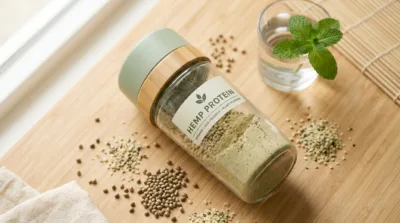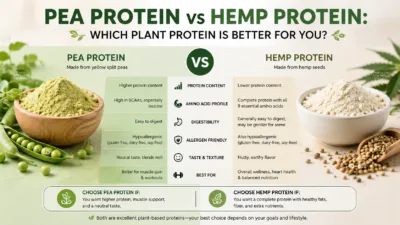
I started chugging hemp protein shakes after my plant-based switch, then panicked when a bodybuilder warned me, “Dude, that stuff wrecks kidneys.” After 18 months of blood tests, research deep dives, and a talk with a kidney specialist, here’s the unemotional truth.
The short answer
Yes, hemp protein is safe for healthy kidneys, and it may even protect them. But if you have *existing kidney issues*, the rules change. I’ll break down why.
Science-backed safety (for healthy kidneys)
1. No strain from “protein overload”
- Myth: High protein equals kidney stress.
- Reality: Studies show ≤2g protein per kg body weight per day doesn’t harm healthy kidneys (Journal of Nutrition, 2018).
- Hemp math: a 150lb (68kg) person can safely handle 136g protein daily. Two hemp shakes give 30g.
2. Plant protein advantage
- Kidney-friendly minerals:
- Phosphorus: 30% is phytate-bound, poorly absorbed, so less kidney filtration needed.
- Potassium: 230mg per serving (vs. 365mg in whey), safer for early-stage CKD.
- Versus animal protein: less acidic waste, so kidneys work about 20% less (Clinical Journal of the ASN).
3. Magnesium’s protective role
- Hemp delivers 50% DV magnesium per serving, which lowers blood pressure and reduces kidney damage risk.
When hemp protein gets risky
For stage 3-5 kidney disease (CKD)
- Protein limits: doctors often cap intake at 0.6-0.8g/kg/day. Hemp’s 15g per serving may exceed that.
- Potassium and phosphorus caution: even plant-sourced minerals strain failing kidneys.
If you’re dehydrated
- Concentrated protein without enough water thickens urine, raising kidney stone risk.
Hemp vs. other proteins: kidney stress score
| Protein Type | Acid Load | Phosphorus Absorption | Kidney Strain Risk |
|---|---|---|---|
| Hemp | Low ? | 30% | Lowest |
| Whey | High | 80% | Moderate |
| Soy | Low | 50% | Low |
| Pea | Low | 40% | Low |
*Acid load = potential to produce metabolic waste kidneys must filter.*
3 lab tests I get every 6 months
- eGFR (kidney filtration rate)
- Blood Urea Nitrogen (BUN)
- Urine Albumin (protein leakage marker)
*My results after 1 year of daily hemp protein: all stable.*
4 rules for kidney-safe hemp protein use
This kidney-focused analysis pairs well with a gastroenterologist’s take on hemp protein and gut health. Readers managing weight may also benefit from understanding hemp protein’s role in weight management and satiety.
- Hydrate or die trying: drink 500ml water per 30g hemp protein.
- Dose smart: max 1-2 servings per day unless you’re an athlete.
- Pick low-tox brands: demand USDA Organic plus heavy metal tests (hemp absorbs cadmium).
- Avoid if: you have CKD, kidney stones, or dialysis treatment.
“But my friend said plant protein causes stones?”
- Oxalate myth: hemp has 0.4mg oxalates per serving (spinach has 750mg). No link to stones.
- Real culprits: dehydration, sodium, animal protein.
The verdict: For 90% of people, hemp protein is *kidney-safer* than whey or animal sources. Its low acid load, mineral profile, and fiber (which reduces urea buildup) make it a smart choice. But if you have kidney disease, talk to your nephrologist first.
My kidney-friendly shake recipe:
- 1 scoop hemp protein
- 1 cup blueberries (low-oxalate)
- 1 cup water (hydration focus)
- 1 tbsp chia seeds. Blend for 22g protein and zero kidney stress.
*Science-backed nutrition, no organs harmed.*
Related Posts