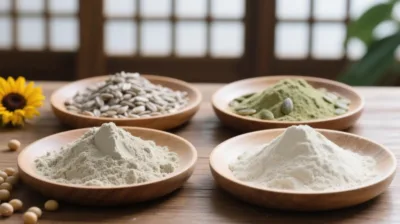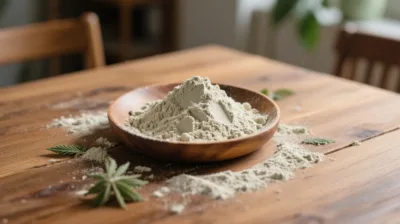
Protein supplementation has become routine for athletes, fitness enthusiasts, and anyone trying to tighten up their nutrition. Whey and soy held the protein aisle for decades, but interest in varied plant sources has grown fast. Organic sunflower seed protein powder is one option worth a look: it pairs solid nutritional quality with good digestive tolerance and a clean-label story that fits what many consumers now want.
This article walks through seven benefits of organic sunflower seed protein that hold up under the research, so you can judge why it deserves a place whether you are picking a supplement for yourself or vetting an ingredient for a commercial formula.
Want to see how a well-made sunflower protein actually performs? HEMPLAND’s organic sunflower protein powder is cold-pressed, batch-tested with a COA for every lot, and available in bulk for food manufacturers. Request a free sample and compare it against your current ingredient.
1. Complete amino acid profile
Sunflower seed protein supplies all nine essential amino acids the body needs to build protein, which qualifies it as a complete source. Plant proteins sometimes get knocked for incomplete profiles, but sunflower protein covers the gap directly.
How it stacks up against other plant sources:
Lysine: Sunflower protein carries relatively high lysine compared with other seed and grain proteins. Lysine is usually the limiting amino acid in those sources, so sunflower’s level stands out.
Methionine retention: Processing holds onto sunflower protein’s methionine, which answers a common weak spot in plant proteins that lean on lysine-containing companions to compensate.
Branched-chain amino acids: Sunflower protein delivers useful BCAAs, including leucine, isoleucine, and valine. It will not match whey’s BCAA concentration, but it supports muscle protein synthesis well enough for most people.
Work published in plant protein literature shows sunflower protein maintains nitrogen balance and protein synthesis markers at adequate intake. For athletes with moderate protein needs, it delivers benefits comparable to cheaper alternatives.
2. Excellent digestibility
Digestive comfort drives whether people keep using a protein. A highly bioavailable powder that tears up the stomach does little good if the user quits.
The digestibility research points in a favorable direction:
High digestibility coefficients: Studies put sunflower protein digestibility at 85-90%, close to more refined protein sources.
Moderate digestion rate: Unlike fast-absorbing proteins that dump amino acids into the blood quickly, sunflower protein absorbs at a more measured pace. Some evidence suggests this pattern helps with satiety and keeps amino acids available longer.
Low FODMAP traits: Unlike some legumes, sunflower protein carries minimal fermentable oligosaccharides that cause gas and bloating. That makes it a fit for people with sensitive guts or FODMAP concerns.
Users frequently report better tolerance than with whey or soy, which lines up with the digestive advantage seen in practice.
3. Allergen-friendly profile
Food allergies affect millions, and the “big eight” allergens, milk, eggs, fish, shellfish, tree nuts, peanuts, wheat, and soy, drive most reactions. Soy’s place on that list creates headaches for both manufacturers and consumers.
Sunflower seed protein avoids major allergen classification:
No soy: As a distinct seed source, it contains none of the soy proteins that set off soy-allergic individuals.
Not a tree nut: Despite the word “nut” in common speech, sunflower seeds do not trigger tree nut allergies. Botany keeps them separate from tree nut allergens.
Minimal cross-reactivity: Clinical literature reports extremely rare sunflower allergy, far below the rates for major allergens.
That allergen-friendly status lets brands claim “free from top allergens,” which widens who can buy. Families juggling several food allergies, soy-sensitive individuals, and anyone simply avoiding allergens benefit from sunflower protein’s flexibility.
4. Rich in antioxidant nutrients
Beyond protein, sunflower seed protein brings extras that raise its value.
Vitamin E: Sunflower seeds rank among the richest dietary sources of vitamin E (tocopherols). Extraction trims the vitamin level versus whole seeds, but meaningful tocopherols survive in the concentrate. Vitamin E guards cells against damage and supports immune function.
Selenium: Sunflower seeds carry notable selenium, a mineral cofactor for antioxidant enzymes such as glutathione peroxidase. Selenium aids thyroid function and helps manage oxidative stress body-wide.
Phenolic compounds: Chlorogenic acid, caffeic acid, and other phenolic antioxidants in sunflower seeds show biological activity in studies. They add to overall antioxidant capacity beyond the protein itself.
For consumers who want more than bare protein from a supplement, sunflower protein contributes real nutrients on the side.
5. Clean-label consumer appeal
Shoppers increasingly want ingredients they recognize on the label. “Organic sunflower seed protein” reads clearly with no decoding required.
Minimal processing story: Making sunflower protein means mechanical oil pressing and aqueous extraction, then drying. No solvents, chemical modifications, or cryptic ingredient names enter the process.
Organic fit: It meets organic certification rules, which supports premium placement in the growing natural foods channel.
Non-GMO confidence: Conventional sunflower is rarely genetically modified, so verification is simple and the consumer doubts that dog soy-based lines never appear.
Transparent sourcing: Sunflowers grow across temperate regions, which supports the supply chain visibility that engaged consumers now expect.
For brands competing in premium natural channels, sunflower protein’s clean-label profile sets it apart from conventional sources.
6. Sustainable production profile
Environmental impact has moved from niche concern to mainstream purchase factor, especially among younger buyers.
Efficient land use: Sunflower yields substantial protein per hectare next to animal sources, which supports sustainable protein at scale.
Crop rotation benefits: Sunflower fits rotation sequences well, improving soil health and easing pest pressure for later plantings.
Low water needs: Versus almonds and other protein-rich crops, sunflower asks for modest water.
Minimal pesticide needs: Under organic protocols, sunflower protein avoids the synthetic pesticide inputs that raise environmental flags.
Manufacturers building sustainability lines find sunflower protein’s production story supports an environmental positioning.
7. Versatile functional properties
Past nutrition, sunflower protein brings practical perks for food makers and home users.
Neutral flavor: It tastes milder than many plant proteins. Not flavorless, but it blends reasonably with chocolate, vanilla, fruit, and nut systems.
Functional versatility: Sunflower protein contributes emulsification, water binding, and texture, which serve a wide range of formats:
- Protein bars and nutrition snacks
- Smoothies and meal replacement beverages
- Baked goods and cereal products
- Meat alternative formulations
- Personal care and nutritional supplements
Formulation flexibility: It works alone or pairs with other proteins to round out the amino acid profile while keeping the label clean.
Comparing sunflower protein to alternatives
| Characteristic | Sunflower Protein | Soy Protein | Pea Protein | Hemp Protein |
|---|---|---|---|---|
| Protein Concentration | 60-70% | 90%+ | 80-90% | 50-60% |
| Allergen Status | Allergen-friendly | Major allergen | Allergen-friendly | Allergen-friendly |
| Flavor | Mild, slightly nutty | Neutral to beany | Earthy, distinct | Nutty |
| BCAA Content | Good | Excellent | Excellent | Moderate |
| Vitamin E | Significant | Minimal | Minimal | Minimal |
| Cost Position | Premium | Economy | Mid-range | Premium |
| Clean-Label Score | High | Moderate | High | High |
Practical usage guide
Recommended serving sizes
For general supplementation, one to two servings a day adds meaningful nutrition:
Single serving: 25-30g of sunflower protein powder delivers roughly 15-20g of digestible protein.
Active individuals: Those on a regular resistance program may want larger servings (40-50g) or a mix with complementary sources to lift total protein intake.
Mixing and preparation
Sunflower protein blends acceptably in a standard shaker, though a blender smooths the texture for drinks:
- Add liquid first to prevent clumping
- Use 8-12 fluid ounces per serving
- Allow 30 seconds of mixing for adequate dispersion
- Consider combining with fruit, nut butter, or cocoa for better flavor
Storage and shelf life
Keep the powder in cool, dry conditions away from strong odors that could affect taste. Stored properly, it holds quality for 12-18 months. Refrigeration after opening slows oxidation and extends freshness.
Who benefits most from sunflower protein?
Athletes with allergen concerns: People avoiding dairy, soy, or major allergens while keeping protein up benefit from sunflower protein’s allergen-friendly profile.
Health-conscious consumers: Those who want clean-label supplements with names they recognize find sunflower protein fits their shopping habits.
Families managing food allergies: Households with several dietary limits appreciate sunflower protein’s flexibility across allergy needs.
Sustainability-focused consumers: Environmentally minded buyers value sunflower protein’s production profile.
Gentle digestion seekers: People who react to whey or other powders may tolerate sunflower protein better.
Conclusion
Organic sunflower seed protein powder earns its growing spot in the supplement aisle with real, research-backed benefits. Its complete amino acid profile, strong digestibility, allergen-friendly status, antioxidant content, clean-label appeal, sustainable production, and functional versatility add up to a strong case for a range of consumers.
It will not replace whey or soy as the mass-market default, but it fills an important niche in premium natural products, allergen-free formulas, and clean-label positioning. Shoppers looking beyond conventional protein sources will find sunflower protein delivers genuine nutrition alongside practical benefits that improve compliance and satisfaction.
For manufacturers building next-generation protein products, sunflower protein warrants serious attention. Its blend of functional performance, consumer appeal, and market position supports continued growth in the plant protein space. HEMPLAND also supplies organic pumpkin seed protein powder with the mineral-rich profile described here, backed by full certificates of analysis.
Recommended Products

Organic Sunflower Seed Protein Powder
Organic sunflower seed protein powder offers ≥60% high-quality plant protein with excellent digestibility and…
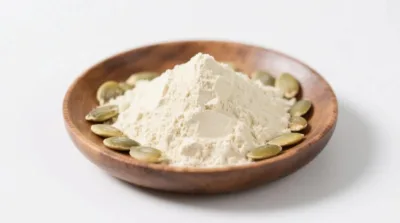
Organic Pumpkin Seed Protein Powder
Organic pumpkin seed protein powder offers ≥60% protein with high magnesium, zinc, and iron…
Related Posts