
Food manufacturers face a constant challenge: finding ingredients that balance nutrition, functionality, and cost. When one ingredient improves nutrition but compromises flavor, or extends shelf life but drives up cost, the math gets complicated. Refined hemp seed oil offers a unique proposition for the food industry, a neutral-tasting, heat-stable oil with a favorable fatty acid profile, suitable for a wide range of manufacturing applications. For formulators who have evaluated cold-pressed vs refined hemp seed oil sourcing options, the refined grade addresses requirements that cold-pressed oil cannot meet.
What is refined hemp seed oil?
Refined hemp seed oil is produced from crude cold-pressed hemp seed oil through a multi-stage process: degumming, neutralization, bleaching, and deodorization. Degumming removes phospholipids that cause cloudiness. Neutralization strips free fatty acids responsible for off-flavors and short shelf life. Bleaching removes pigments, trace metals, and residual impurities, producing a pale, clean oil. Deodorization uses steam under vacuum to carry away volatile compounds responsible for the nutty scent and grassy taste of crude hemp seed oil.
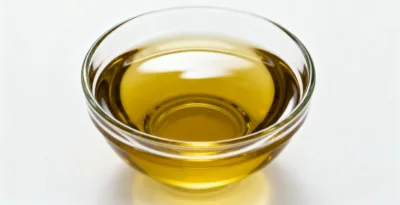
The result is a clear, light-colored oil with neutral flavor and measurably improved oxidative stability. Where crude cold-pressed hemp seed oil carries a distinct nutty flavor and greenish tint that can interfere with finished product sensory profiles, refined hemp seed oil functions as a clean canvas. It supports the flavors already present in a recipe rather than adding its own.
This distinction is practical, not qualitative. Cold-pressed oil fits products where characteristic flavor and the full 15 benefits of hemp seed oil are selling points. Refined oil fits where the functional and nutritional benefits of hemp seed oil matter but the flavor must stay out of the way.
Key properties for food manufacturing
Refined hemp seed oil’s practical advantages start with neutral flavor and aroma, the single most useful property for manufacturing. It can sit at meaningful inclusion levels in a vanilla protein shake, a strawberry cereal bar, or a cream pasta sauce without adding a competing note; crude oil announces itself almost everywhere, which sharply limits its formulation range. Light color matters for products built on visual appeal, white breads, pale crackers, light sauces, dairy alternatives, where a green-tinted oil would turn a white sauce faintly olive and a pale cracker noticeably off-white, while refined oil’s light golden tone behaves like any conventional vegetable oil. Shelf life extends as well: refining strips free fatty acids, phospholipids, and trace metals that catalyze oxidation, so where cold-pressed oil typically runs 9 to 12 months under good storage, refined holds quality for 18 to 24 months, which matters when raw ingredients wait in warehouse inventory and finished goods need shelf lives counted in years. Heat stability improves further: the smoke point rises to about 200 degrees Celsius from 165, which enables spray coating on baked snacks and moderate-temperature baking that would degrade cold-pressed oil. And the fatty acid profile holds up. Although some antioxidants drop during refining, the triglyceride structure stays intact, retaining omega-3 alpha-linolenic acid at roughly 15 to 20 percent, omega-6 linoleic at 55 to 60 percent, and omega-9 oleic at 10 to 15 percent, with small amounts of GLA remaining, enough to support omega-3 and balanced fatty acid claims on packaging.
Food manufacturing applications
Refined hemp seed oil fits across the production line. In salad dressings and sauces it emulsifies well in water-based systems and adds no flavor to fight with herbs, vinegar, citrus, or spices, so a honey-mustard dressing tastes of honey and mustard rather than hemp, and its oxidative stability lets finished products hold longer with less reliance on synthetic antioxidants. In baked goods it can replace soybean, canola, or sunflower oil in breads, muffins, crackers, cookies, and tortillas, a straightforward swap that puts omega-3 on the nutrition panel where the previous formulation had none, which matters for brands in markets where shoppers scan for healthy fats. Snack foods use spray application of oil onto chips, crackers, and extruded snacks as a standard step for seasoning adhesion and mouthfeel, and refined oil sprays evenly, adheres uniformly, and adds nothing negative to flavor, so the barbecue or sea salt comes through exactly as intended.
Nutritional bars, energy, protein, and meal-replacement, depend on an oil phase to bind dry ingredients and carry mouthfeel, and refined oil fits the binder syrup or dry blend without the flavor migration that sometimes plagues cold-pressed use, where the nutty note dominates the bar’s intended flavor. Dairy alternatives, plant-based cheese, yogurt, creamers, and milk alternatives, often need an added oil phase for mouthfeel and fat, and a neutral carrier adds creaminess and nutrition without another sensory variable, which is especially useful in plant-based cheese where the fat structure is already complex. Baby food is the strictest case: omega-3 content makes refined hemp seed oil relevant for infant nutrition where regulation permits, the neutral flavor is essential because infants are sensitive to off-notes and a green-tinted, grassy oil would be rejected by both formulators and consumers, and the consistency and extended shelf life that refining delivers are critical in infant supply chains.
Nutritional profile for product development
Refined hemp seed oil retains enough nutritional architecture to support meaningful on-pack claims, which distinguishes it from commodity oils that offer caloric value but little else.
The fatty acid breakdown that survives refining compares favorably to other vegetable oils. Soybean oil typically runs 5 to 10 percent omega-3. Canola oil runs roughly 10 percent. Sunflower and safflower oils contribute almost no omega-3. Refined hemp seed oil at 15 to 20 percent omega-3 content provides manufacturers a straightforward route to omega-3 claims or listing on the nutrition facts panel.
Omega-6 linoleic acid holds steady at 55 to 60 percent, with omega-9 oleic acid at 10 to 15 percent. Gamma-linolenic acid, the rare fatty acid valued for its health properties, is present in small but measurable amounts even after refining. The omega-6-to-omega-3 ratio settles around 3 to 1, widely considered nutritionally ideal and superior to the ratios in most refined vegetable oils.
What diminishes during refining is the minor component profile, tocopherols, carotenoids, chlorophyll, and phytosterols. These losses are real but do not affect the core nutritional promise of the oil, which resides in its fatty acid structure. For manufacturers who prioritize sensory neutrality and shelf stability over minor component retention, refined oil is the correct choice. For those who need the full spectrum, cold-pressed oil is available.
Refined vs cold-pressed: when to choose which
The choice between refined and cold-pressed hemp seed oil is a formulation judgment, not a quality judgment. Choose refined when the product requires neutral flavor, 12 to 24 months of shelf life, light color, processing involving moderate to high heat, cost optimization for mainstream price points, or high-volume production demanding batch-to-batch consistency. Choose cold-pressed when maximum nutrient retention is a primary claim, the nutty flavor is desirable and part of the product identity, the product carries premium positioning, the supply chain supports short shelf life, and the target consumer specifically seeks unrefined oils. Many manufacturers use both, a premium salad dressing line on cold-pressed and volume crackers or snack bars on refined, which captures each grade’s value: nutritional density and story for high-margin products, neutrality and stability for mainstream volume.
Formulation considerations
Oxidation management comes first. Refined hemp seed oil is more stable than cold-pressed but remains polyunsaturated and eventually oxidizes under adverse conditions, so use opaque packaging, nitrogen flushing, and minimal headspace, track peroxide and anisidine values through the supply chain, store below 20 degrees Celsius, and keep first-in first-out inventory rotation. Blending works well with olive, sunflower, canola, or other vegetable oils, and a blend might use hemp seed oil for omega-3 content and marketing value while a less expensive oil carries the bulk of fat content; adding a more saturated or monounsaturated oil also raises overall oxidative resistance. Emulsification behaves predictably in water-based systems, dressings, sauces, creamers, and beverage emulsions, where standard emulsifiers such as lecithin and mono- and diglycerides function as expected, and the neutral flavor is particularly valuable because emulsification increases surface area that can amplify off-flavors barely perceptible in bulk oil. Temperature handling means storing below 20 degrees Celsius; for baking, the oil suits doughs and batters because internal matrix temperatures stay below its smoke point for most of the bake, while high-temperature frying is better served by higher-monounsaturated oils such as high-oleic sunflower. Supply chain requires temperature-controlled warehousing, batch certificates of analysis covering peroxide value, anisidine value, free fatty acid percentage, and fatty acid profile, and defined shelf-life requirements in purchasing specifications; HEMPLAND provides refined hemp seed oil with full batch-specific documentation.
Regulatory and labeling considerations
United States. Hemp seed oil is Generally Recognized as Safe for use in food. The 2018 Farm Bill removed hemp from Schedule I, establishing the framework for interstate commerce. The FDA has confirmed hulled hemp seeds, hemp seed protein, and hemp seed oil as safe food ingredients. Manufacturers can list the ingredient as “hemp seed oil,” “refined hemp seed oil,” or “Cannabis sativa seed oil.”
European Union. Hemp seeds and hemp seed oil are established food ingredients. Only varieties listed in the EU Common Catalogue with THC content below 0.2 to 0.3 percent, depending on member state, may be cultivated. Imported oil must meet equivalent standards.
Labeling. “Hemp seed oil” or “refined hemp seed oil” are standard on ingredient lists. “Cannabis sativa seed oil” is accepted in INCI-style declarations for international markets.
Nutrition claims. Omega-3 content can be stated quantitatively on the nutrition facts panel. “Source of omega-3” or “contains omega-3 fatty acids” are generally permitted as nutrient content claims, though specific wording varies by jurisdiction. Health claims linking omega-3 to reduced heart disease risk require qualifying language and minimum content thresholds, consult regulatory counsel.
Allergens. Hemp seeds are not classified as major allergens in most markets. They should be declared clearly for consumers who monitor seed allergens. Verify allergen status in each country of sale.
Sustainability and supply chain
Hemp is a fast-growing crop requiring minimal water and, when grown organically, no synthetic pesticides. Its deep taproot system improves soil structure and water infiltration, and the plant produces substantial biomass that can return organic matter to the soil. These are documented agronomic characteristics, not marketing claims.
For food manufacturers, this translates to measurable business value. Sourcing refined hemp seed oil provides verified sustainability attributes without commissioning independent studies or building proprietary metrics. The hemp clean label trend draws directly from consumer expectations for ingredient transparency, hemp carries a story that commodity oilseed crops cannot match.
HEMPLAND sources refined organic hemp seed oil from organic farms with full traceability from field to finished product. The supply chain is documented and auditable, directly supporting scope 3 supply chain disclosures and responsible sourcing commitments. The practical benefit is the availability of data and documentation that procurement departments and retail buyers increasingly require as a condition of doing business.
Conclusion
Refined hemp seed oil fills an important niche in food manufacturing: a neutral, stable, nutritionally valuable oil that works across multiple product categories without forcing the flavor profile of crude hemp seed oil onto the finished product. Its extended shelf life, light color, and clean flavor make it practical for mainstream foods where the taste of hemp would be a liability. Its retained omega-3 content and balanced fatty acid profile support on-pack nutrition claims that commodity vegetable oils cannot match. Its sustainability story adds marketing value that aligns with consumer demand for transparency.
HEMPLAND supplies refined hemp seed oil in bulk quantities with full certification, traceability, and batch-specific quality documentation. Whether the application is a shelf-stable salad dressing, a protein bar bound with a neutral fat phase, a dairy-free cheese, or a baked snack targeting an omega-3 claim, refined hemp seed oil provides a solution that integrates into standard manufacturing workflows. Contact Us for pricing and sample requests.
—
Recommended Products

Organic Hemp Seed Oil
Premium organic hemp seed oil — cold-pressed, virgin & extra virgin grades. Perfect 3:1…
Organic Refined Hemp Seed Oil
100% Certified Organic • Non-GMO Verified • Neutral Flavor • High Smoke Point 232°C
Related Posts


