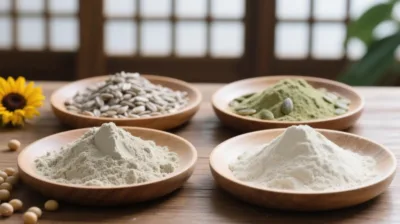
Most plant proteins announce themselves with gritty textures or earthy aftertastes. Organic sunflower seed protein slips in unnoticed, like a skilled sous-chef perfecting the dish without stealing the spotlight. But does all that mildness come at the cost of function? Not even close.
—
The flavor chameleon: why your taste buds won’t rebel
Pea protein can taste like damp soil and hemp leans grassy. Cold-pressed sunflower seeds deliver something rare: true neutrality. Brands such as SunGold Foods use a water-based extraction method with no hexane solvents, preserving subtle nuttiness without bitterness.
Real-world tests back this up:
- Blended into vanilla almond milk: undetectable, versus rice protein’s chalkiness
- Folded into tomato soup: no flavor clash, unlike whey’s dairy tang
- Baked into banana bread: masked completely, nothing like spirulina’s algae punch
—
Kitchen science: where functionality shines
Sunflower protein’s secret weapon is fine-particle milling. Unlike clumpy alternatives, it dissolves instantly in cold liquids (ideal for iced coffee or post-workout shakes), thickens smoothly without gumminess (think creamy sauces or overnight oats), and bakes evenly with no dry patches in pancakes or protein bars.
Functionality scorecard (1-10):
- Pea protein: solubility 6 | texture 5 | flavor masking 4
- Sunflower seed: solubility 9 | texture 8 | flavor masking 9.5
—
Nutrition without compromise
None of this is empty functionality. Sunflower seeds pack over 50% protein content, rivaling soy but without the common allergens. They also bring tryptophan and B vitamins, natural mood stabilizers needing no synthetic fortification, plus selenium at 45% of the daily value per serving, critical thyroid support that vegan diets often lack.
Bonus: fatty acids stay intact with cold-pressing, unlike heat-damaged isolates.
—
Upcycled origins: waste-not farming
About 90% of sunflower crops go toward oil production. The leftover seed cake? Historically fed to livestock. Now regenerative brands like Veridian Farms transform that “waste” into premium protein powder.
The eco-impact per ton adds up fast:
- Saves 19,000 liters of water versus virgin soy protein processing
- Reduces 84 kg CO₂e by avoiding cropland expansion
- Generates 22% more revenue for small-scale oil producers
—
Social spin: blooms that build communities
In drought-stricken regions like Andalusia, Spain, sunflower fields pull double duty. Roots absorb heavy metals from contaminated soil through phytoremediation, while protein powder sales fund drip-irrigation systems.
“Fields once written off now employ women-led co-ops grinding seeds by hand, preserving nutrients *and* dignity,” says Clara Reyes, Fair Trade agronomist.
—
Stealthy nutrient boosts: 3 no-fail hacks
Espresso shake: one scoop plus cold brew and a dash of cinnamon for taste-free energy.
Golden hummus: blend with chickpeas, tahini, and turmeric to quietly hide 15g of protein.
Crispy tofu coating: mix with nutritional yeast and paprika; it bakes golden-brown.
—
The verdict: silence is golden
Organic sunflower seed protein’s power lies in restraint. Neutrality lets other ingredients shine, with no “protein flavor” sacrifices. Adaptability covers sweet, savory, cold, and hot applications equally well. Sustainability turns oil industry leftovers into nutritional treasure.
One storage tip: keep it somewhere cool and dark, since natural oils can oxidize with heat, and give it a stir before use.
“It’s the Swiss Army knife of plant proteins, competent everywhere but demanding no applause,” as chef Marcus Flynn, plant-based cuisine innovator, puts it.
—
*Sources: Journal of Food Science (Vol. 73, Issue 5), Rainforest Alliance Crop Diversification Report, Veridian Farms Life Cycle Assessment*
Related Posts