Not all protein is created equal. The amount of protein listed on a nutrition label tells you how much is in the product, but not how much your body can actually use. Two products can both claim “20 grams of protein per serving,” yet your body might absorb 18 grams from one and only 11 grams from the other. The difference comes down to protein digestibility.
Plant proteins vary widely in how efficiently the body can break them down and absorb their amino acids. Factors like fiber content, anti-nutritional compounds, and protein structure determine whether that scoop of protein powder is fully utilized or partially wasted. This is where digestibility scoring systems like PDCAAS and DIAAS come in.
What is protein digestibility?
Protein digestibility measures how efficiently the body breaks down and absorbs amino acids from a protein source. Even if a protein contains all nine essential amino acids, making it a complete protein, it provides limited value if the body cannot access those amino acids during digestion.
The digestive process for protein begins in the stomach, where acid and pepsin start breaking protein structures apart. Digestion continues in the small intestine, where pancreatic enzymes cleave chains into individual amino acids and small peptides, which are then absorbed into the bloodstream. Any protein that remains unbroken passes to the large intestine, where gut bacteria ferment it rather than your body absorbing it.
Several factors decide how much of that protein your body can actually use. Protein structure matters: some plant proteins fold into rigid shapes that resist digestive enzymes, while animal proteins unfold more readily in the acidic stomach. Anti-nutritional factors get in the way too. Phytic acid in seeds and grains binds minerals and blocks protein-digesting enzymes, trypsin inhibitors in raw soybeans and peas directly block trypsin, and tannins can lock proteins into indigestible complexes. Processing changes the equation: heat unfolds proteins, fermentation lets microbes pre-digest them and cut anti-nutrients, sprouting switches on the seed’s own enzymes, and enzymatic hydrolysis using proteases pre-digests protein into smaller peptides, the most digestible form available. Finally, the fiber matrix matters. Plant proteins are often wrapped in insoluble fiber that physically blocks enzymes from reaching them, which is why whole-food plant proteins digest worse than isolates.
PDCAAS explained
The Protein Digestibility Corrected Amino Acid Score (PDCAAS) has been the FDA and WHO standard for evaluating protein quality since 1989. It remains the regulatory standard for protein content claims on food labels in the United States.
PDCAAS combines two measurements. The amino acid score compares the protein’s essential amino acid profile against a reference pattern based on human requirements. The digestibility score measures overall protein absorption via fecal digestibility, comparing intake with excretion.
The final score is calculated by multiplying the amino acid score by the digestibility percentage, expressed on a 0.0 to 1.0 scale. A score of 1.0 means the protein fully meets all amino acid requirements in a digestible form.
PDCAAS has two notable limitations. First, it truncates at 1.0, meaning any protein exceeding the maximum is capped, whey protein and soy protein isolate both score 1.0, but they are not nutritionally identical. Second, it measures total protein digestibility rather than individual amino acid digestibility. A protein could have decent overall absorption while one or two specific amino acids are poorly digested, and PDCAAS would not capture this. Despite these limitations, PDCAAS remains widely used because it is relatively simple and inexpensive to measure.
DIAAS explained
The Digestible Indispensable Amino Acid Score (DIAAS) was proposed by the FAO in 2013 as a more accurate replacement for PDCAAS. While PDCAAS remains the regulatory standard, DIAAS is increasingly preferred by nutrition scientists.
DIAAS addresses PDCAAS shortcomings in three key ways. First, it measures individual amino acid digestibility rather than total protein. If a protein contains enough lysine but 30 percent passes through undigested, the protein is functionally lysine-deficient, something PDCAAS misses but DIAAS captures. Second, DIAAS uses ileal digestibility, measuring absorption at the end of the small intestine rather than via fecal analysis, which eliminates interference from gut bacteria in the large intestine that can consume amino acids or produce new ones. Third, DIAAS has no upper cap, so scores can exceed 1.0, indicating the protein provides surplus amino acids that can complement lower-quality proteins consumed at other meals.
The tradeoff is cost and complexity. Measuring ileal digestibility requires animal models or invasive human studies, and analyzing individual amino acid digestibility needs sophisticated lab techniques. This is why DIAAS data remains unavailable for many protein sources, particularly less-studied plant proteins like hemp.
PDCAAS scores for common proteins
| Protein Source | PDCAAS Score |
|---|---|
| Whey protein | 1.00 |
| Egg | 1.00 |
| Soy protein isolate | 1.00 |
| Casein | 1.00 |
| Beef | 0.92 |
| Hemp protein | 0.48-0.66 |
| Pea protein | 0.69-0.73 |
| Rice protein | 0.51-0.62 |
| Wheat protein | 0.40-0.45 |
Animal proteins cluster at the top of the PDCAAS scale. Whey, egg, and casein all score 1.0, while beef scores slightly below due to connective tissue components that reduce digestibility. Among plant proteins, soy protein isolate is the standout, matching animal proteins at 1.0 through intensive processing that removes fiber and anti-nutritional factors. Whole soy foods like tofu would score lower.
Pea protein (0.69-0.73) reflects moderate digestibility with remaining anti-nutritional factors. Hemp protein shows notable variability, lower scores correspond to whole-seed protein that retains natural fiber, while higher scores represent more processed products. Rice protein (0.51-0.62) and wheat protein (0.40-0.45, limited by low lysine) trail at the bottom.
DIAAS scores for common proteins
| Protein Source | DIAAS Score |
|---|---|
| Milk protein | 1.18 |
| Whey protein | 1.09 |
| Egg | 1.13 |
| Soy protein isolate | 0.91 |
| Pea protein | 0.73 |
| Hemp protein | 0.48-0.60 (limited data) |
| Rice protein | 0.42 |
Under DIAAS, animal proteins pull further ahead, milk (1.18), egg (1.13), and whey (1.09) all exceed 1.0, confirming surplus amino acids that complement lower-quality proteins.
Soy protein isolate drops from 1.0 under PDCAAS to 0.91 under DIAAS, reflecting the more precise measurement of individual amino acid digestibility. This illustrates why many researchers prefer DIAAS, it distinguishes between proteins that PDCAAS groups at the maximum score. Pea protein stays similar under both systems, while rice protein scores lower under DIAAS, likely due to poor lysine digestibility.
Hemp protein DIAAS data is limited. Available studies suggest 0.48-0.60, but published research is sparse compared to soy and whey. High variability between products, due to processing methods, seed varieties, and growing conditions, complicates scoring. More research is expected as hemp protein consumption grows.
Why plant proteins score lower
Plant proteins consistently score below animal proteins on both scales, not because they are inherently inferior, but because of specific structural and chemical factors.
Anti-nutritional factors
Phytic acid, stored in seeds as the plant’s phosphorus reserve, binds to minerals and forms enzyme-resistant complexes with proteins. High-protein seeds like hemp, soybeans, and pumpkin seeds also tend to be high in phytic acid, creating a direct conflict between protein content and availability.
Trypsin inhibitors in raw soybeans and peas block trypsin, a key pancreatic enzyme. These foods are never consumed raw for this reason. Heat processing denatures most trypsin inhibitors, but complete inactivation requires adequate temperature and time.
Tannins, polyphenolic compounds in some plant foods, can bind proteins into indigestible complexes, though their impact is generally less significant than phytic acid or trypsin inhibitors.
Fiber matrix
In whole seeds, protein is stored within protein bodies embedded in insoluble fiber. This fiber physically blocks digestive enzymes, like wrapping food in layers of plastic wrap. The protein is present and complete, but the fiber barrier reduces how much the body can access during the limited time food spends in the small intestine.
Protein structure
Plant storage proteins evolved for long-term stability in seeds, not for easy digestibility. High proportions of beta-sheet structures, disulfide bonds, and hydrophobic regions reduce susceptibility to enzymes. Animal muscle proteins denature more readily in stomach acid, exposing greater surface area for enzymatic attack.
How to improve plant protein digestibility
Digestibility is not fixed, though. Processing, preparation, and smart combinations can recover a lot of it. The simplest move is heat: cooking denatures proteins and knocks out heat-labile anti-nutrients like most trypsin inhibitors, which is why cooked soy is nutritious while raw soybeans are not. Fermentation lets microbes do the pre-digesting, bacteria and fungi release proteases and the acidic environment cuts phytic acid, so tempeh digests better than raw soy. Sprouting switches on the seed’s own enzymes, which break down storage proteins and drain phytic acid, and sprouted grain and seed products show measurably better digestibility. Isolation strips protein away from fiber, starch, and anti-nutrients, the reason soy protein isolate hits 1.0 on PDCAAS while whole soybeans do not, and the same logic lifts pea and rice isolates as they get more refined. Enzymatic hydrolysis goes furthest, using protease enzymes to pre-digest protein into smaller peptides for faster, easier absorption. HEMPLAND’s hemp peptide powder is made this way, and it digests better than standard organic hemp protein. Soaking helps too: it cuts phytic acid by 20 to 50 percent, and eating complementary proteins together, rice and beans or hemp and pea, improves net amino acid use even when individual digestibility stays put.
Hemp protein digestibility: deep dive
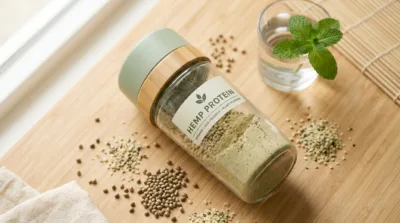
Hemp protein sits in an odd spot. It scores below many plant proteins on both PDCAAS (0.48-0.66) and DIAAS, yet it stays popular for reasons the numbers miss. The wide PDCAAS range tracks product type: whole-seed hemp protein that keeps its natural fiber scores low, while concentrates with less fiber score higher. Hemp is also a rare complete plant protein, it carries all nine essential amino acids, so the limitation is digestibility, not composition, unlike wheat gluten, where both fall short. The insoluble fiber that drags the PDCAAS score down also feeds gut bacteria, supports regularity, and adds satiety, a tradeoff some consumers accept gladly. Standard organic hemp protein can bloat a few people, especially with sensitive digestion or large servings, though many tolerate it fine and responses vary a lot. Hemp peptide changes the math. HEMPLAND’s hemp peptide powder uses enzymatic hydrolysis to pre-digest hemp protein into smaller peptides that absorb faster and more completely, holding onto hemp’s complete amino acid profile, minerals, and fatty acids while reaching digestibility close to isolates. That makes it a fit for athletes who need rapid post-workout absorption, people with sensitive digestion, older adults with slower digestion, and anyone who wants hemp’s nutritional complexity at isolate-level digestibility. For those who have run into hemp protein side effects, hemp peptide is a gentler alternative with the same amino acid benefits and less digestive load.
Which protein is easiest to digest?
Practical digestibility, which protein causes the least digestive discomfort, goes beyond laboratory scores. A protein can score well on PDCAAS or DIAAS and still cause bloating or stomach discomfort in some individuals.
Easiest to digest
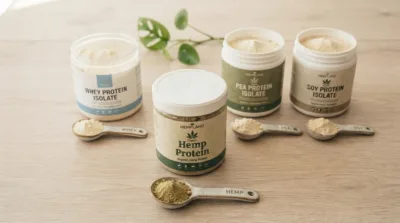
Whey protein isolate leads in both lab scores and real-world digestive tolerance. Its solubility, rapid gastric emptying, and efficient enzymatic breakdown make it the most digestible protein for most people. Whey isolate, with most lactose removed, is better tolerated than whey concentrate.
Hemp peptide powder achieves isolate-level digestibility through enzymatic hydrolysis. The pre-digestion process produces smaller peptides the body absorbs with minimal effort. For plant-based consumers, hemp peptide represents the upper end of digestibility.
Soy protein isolate scores at the top of PDCAAS for plant proteins and is generally well tolerated. Digestive discomfort is less common with isolates than with whole soy foods.
Moderately digestible
Pea protein sits mid-range. Most tolerate it well, though some report bloating at larger servings. Pea protein isolate causes fewer issues than concentrate.
Hemp protein concentrate causes moderate digestive load due to fiber content. Starting with half servings and increasing gradually helps with tolerance.
Rice protein has moderate digestibility with less bloating than pea or hemp protein. Its primary limitation is amino acid profile rather than digestive discomfort.
Most likely to cause issues
Whole-food plant proteins, beans, lentils, chickpeas, whole soybeans, cause the most digestive discomfort due to fiber, oligosaccharides, and anti-nutritional factors. Proper soaking and cooking reduce issues, but whole legumes always require more digestive effort than isolates.
Choosing based on sensitivity
For sensitive digestion, start with whey isolate or hemp peptide powder. Pea protein isolate is a reasonable second choice. With standard plant proteins, begin with half servings and increase gradually. Avoid large servings of whole-food proteins close to workouts.
For a broader comparison, hemp vs whey vs pea vs soy covers amino acid profiles, micronutrient content, and practical use cases beyond digestibility alone.
Conclusion
Protein digestibility matters as much as the grams on the label. What your body actually absorbs drives muscle repair, immune function, and day-to-day health. Animal proteins and highly processed isolates like soy sit at the top of both PDCAAS and DIAAS, but processing can lift plant proteins a long way. Enzymatic hydrolysis is the most effective lever: it raises digestibility without sacrificing the fiber, minerals, and healthy fats that make plant proteins worth eating.
Hemp shows this clearly. Standard hemp protein brings a complete amino acid profile plus fiber, minerals, and fats, but its natural fiber matrix and anti-nutrients cap digestibility at 0.48-0.66 on PDCAAS. Hemp peptide powder clears that limit, matching isolate-level digestibility while keeping the whole-food nutritional package. HEMPLAND sells both organic hemp protein and hemp peptide powder, so the choice comes down to digestive tolerance and what you want from the powder. For maximum digestibility with the least digestive burden, hemp peptide is the one I’d reach for. For those who handle fiber well and want whole-food nutrients, organic hemp protein still earns its place.
—
Recommended Products
Hemp Peptide Powder
Highly bioavailable, easily digestible plant protein with functional benefits from organic hemp.
Related Posts