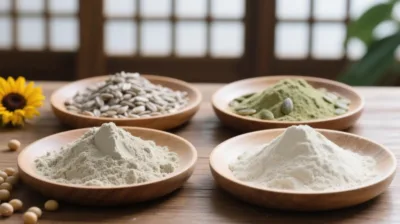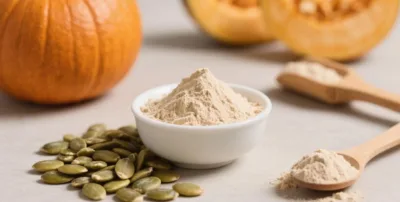
Athletes and coaches spend a great deal of time weighing protein sources against training goals, recovery demands, and performance targets. Whey has dominated sports nutrition historically, yet growing numbers of active individuals now explore plant-based alternatives. Organic pumpkin seed protein powder holds a distinctive position in that shift: it addresses core athletic needs and offers advantages conventional protein sources cannot match.
This article reviews how pumpkin seed protein supports athletic performance, recovery, and overall training outcomes, written for individual athletes and sports nutrition formulators alike.
Protein requirements for athletes
Beyond basic requirements
Sedentary adults require roughly 0.8 grams of protein per kilogram of body weight daily, about 64 grams for an 80-kilogram person. Training pushes that number substantially higher:
- Recreational fitness participants need 1.2-1.6 g of protein per kg to support training adaptation and day-to-day recovery.
- Strength and power athletes work at 1.6-2.2 g per kg, where muscle protein synthesis and growth scale directly with intake.
- Endurance athletes generally aim for 1.4-1.8 g per kg to cover metabolic adaptation and muscle repair.
Meeting these elevated targets through whole foods alone is genuinely difficult for many athletes, which is why strategic supplementation has become standard practice.
Timing and distribution considerations
Total intake is only part of the strategy. Consuming protein within 2-3 hours after training takes advantage of the muscle protein synthesis recovery window that follows exercise. Spreading intake across 4-5 meals keeps synthesis elevated throughout the day instead of letting it collapse between long gaps. Pre-sleep protein, typically casein or another slow-digesting source, supports overnight recovery processes.
None of these strategies depend on the protein source itself, though absorption rates do influence which option fits each slot best.
Pumpkin seed protein and muscle building
Amino acid support for muscle synthesis
Muscle protein synthesis, the process of building new muscle tissue, requires adequate essential amino acids, particularly leucine, which triggers the metabolic cascade that initiates muscle building.
Pumpkin seed protein performs well across all three relevant measures. Its leucine content sits at approximately 6.5 g per 100 g of protein, enough to clear the threshold required for maximum muscle protein synthesis. That figure falls below whey’s concentration, so pumpkin protein meets requirements when consumed in adequate serving sizes. The profile is complete, meaning all nine essential amino acids are present and muscle synthesis faces no limiting amino acid constraints. Total branched-chain amino acids (leucine, isoleucine, valine) then support muscle energy during training and protein synthesis during recovery.
Practical muscle building support
Research examining plant protein under resistance training conditions shows plant proteins can deliver muscle gains equivalent to whey when consumed in adequate quantities alongside a proper training stimulus.
Because pumpkin seed protein carries moderate leucine, serving size does the heavy lifting. A 40-45 g serving of pumpkin protein, providing approximately 22-24 g of digestible protein, produces a muscle-building stimulus comparable to a 25-30 g serving of whey.
Combining proteins for optimal results
Many athletes get better outcomes by pairing pumpkin protein with complementary sources. Pea protein’s high leucine compensates for pumpkin’s moderate levels, producing a balanced amino acid profile for muscle synthesis. Blending pumpkin with whey combines pumpkin’s distinctive benefits with whey’s superior muscle-building efficiency. Hemp protein adds omega-3 fatty acids and fiber while keeping formulations fully plant-based.
Recovery enhancement
Post-exercise recovery determines the quality of the next session and the pace of long-term adaptation. Pumpkin seed protein contributes through several mechanisms beyond pure protein delivery.
Mineral support for recovery
Intense training depletes minerals critical for energy metabolism, muscle function, and tissue repair. Zinc leaves the body through sweat and supports immune function, protein synthesis, and testosterone production, so pumpkin protein’s exceptional zinc content helps restore depleted reserves. Exercise also raises magnesium requirements through sweat losses and metabolic demand; magnesium underpins energy production, muscle relaxation, and sleep quality, three factors every recovery plan depends on. Potassium governs electrolyte balance, muscle contraction, and nerve function, and pumpkin protein contributes meaningful potassium alongside its protein content.
Omega-3 ALA content
Between training sessions, muscles repair damage under conditions of inflammation and oxidative stress. Pumpkin seed protein supplies compounds that may support this process. Vitamin E acts as an antioxidant against the oxidative stress generated by intense exercise. Phytosterols demonstrate anti-inflammatory properties in research studies, with potential benefits for post-exercise recovery. Adequate magnesium status further reduces muscle cramping and keeps recovery processes running optimally.
Sleep quality connection
Most recovery occurs during sleep, when growth hormone secretion peaks and tissue repair accelerates. Pumpkin seed protein’s elevated tryptophan content may support that process: tryptophan crosses the blood-brain barrier and converts to serotonin, then melatonin, the hormone regulating sleep-wake cycles. Consuming pumpkin protein before bed therefore supplies amino acids for overnight recovery while potentially improving sleep quality. Athletes who report sleep difficulties often benefit from moving protein into their evening routine.
Athletic performance applications
Pre-workout nutrition
Protein consumed before training feeds muscle protein synthesis throughout the workout rather than waiting until recovery begins afterward. A workable protocol is 20-30 g of protein taken 1-2 hours before training, so amino acids circulate during the session. Pumpkin protein suits this slot because its slow-digesting character combined with mineral support creates balanced pre-workout nutrition, and blending it with fruit and liquid delivers fuel alongside the protein.
Intra-workout protein
Extended sessions exceeding 90 minutes can benefit from protein intake during exercise. Protein during prolonged effort reduces muscle breakdown, and pumpkin protein’s mineral content helps maintain electrolyte balance over extended efforts. In practice, lower-dose protein drinks during long training sessions support performance without sitting heavily.
Post-workout recovery
The post-exercise window remains important for muscle repair and adaptation even though it is less magical than marketing once claimed. Consuming protein within 2-3 hours after exercise supports synthesis-driven recovery. Combining pumpkin protein with fast-digesting carbohydrates replenishes glycogen while supporting muscle protein synthesis, and 25-40 g of pumpkin protein alongside carbohydrate-rich foods or beverages represents an optimal working range.
Daily protein maintenance
Beyond training-specific timing, consistent protein intake across the day drives ongoing adaptation. Distributing protein over 4-5 meals optimizes muscle protein synthesis around the clock. Pumpkin protein earns its versatility here: it works in smoothies, oatmeal, baking, and snacks, so adding it to regular meals raises protein content without dramatic dietary changes.
Athletic population benefits
Strength athletes
Powerlifters, bodybuilders, and strength sport athletes prioritize hypertrophy and eat accordingly, typically landing at 1.6-2.2 g of protein per kg to support muscle growth goals. Used as one component of balanced intake, pumpkin protein diversifies amino acid sources while adding mineral benefits, and blending it with pea or whey optimizes muscle-building potential.
Endurance athletes
Runners, cyclists, swimmers, and other endurance athletes carry different needs oriented toward metabolic adaptation, generally 1.4-1.8 g of protein per kg to support tissue repair. The combination of protein with zinc and magnesium matches endurance training’s demands, and pumpkin protein’s anti-inflammatory properties may ease recovery during high-volume training blocks.
Team sport athletes
Basketball, soccer, volleyball, and similar sports demand both strength and endurance capabilities. Training mixes power, speed, and endurance work, which requires flexible nutrition, and pumpkin protein adapts readily to varied training periodization and recovery needs. Its pleasant flavor and good mixing properties also suit busy athletes with limited time for nutrition preparation.
Active aging
Older adults who stay physically active fight age-related muscle loss (sarcopenia) with protein. Research suggests they need 1.2-1.6 g per kg, higher than younger adults, because age-related anabolic resistance makes consistent intake all the more important. Pumpkin protein’s minerals add another layer: zinc and magnesium support bone health alongside muscle preservation.
Practical implementation
Recommended serving sizes for athletes
Light activity days call for 20-25 g of pumpkin protein powder (approximately 10-13 g protein) as a dietary supplement. Moderate training days work well with 30-40 g (roughly 15-20 g protein) post-workout. Intense training days justify 40-50 g (about 20-25 g protein), ideally alongside complementary protein sources.
Optimal timing
Post-exercise consumption remains the single most important timing slot for most athletes. Evening consumption adds an opportunity: pre-sleep pumpkin protein supports overnight recovery with potential sleep benefits attached. A pre-workout serving 1-2 hours before training rounds out the picture by providing amino acids during exercise.
Formulation considerations for sports products
Manufacturers developing sports nutrition products around pumpkin protein should weigh several specifics. Its mild, nutty flavor pairs well with chocolate, vanilla, and nut-based flavor systems. Blender mixing improves mouthfeel compared to shaker bottle preparation. The ingredient naturally contributes zinc and magnesium, supporting mineral-fortification positioning claims. Finally, a natural, recognizable ingredient name aligns with consumer preferences in premium sports nutrition channels. For such applications, HEMPLAND’s organic pumpkin seed protein powder provides high arginine content and clean label credentials.
Limitations and considerations
Leucine content is the primary constraint for pure muscle-building applications. Whey delivers more leucine per serving, so matching its stimulus may require larger quantities of pumpkin protein. Combining pumpkin with a high-leucine partner such as pea addresses this limitation effectively.
Protein concentration is the second consideration. Pumpkin protein is less concentrated than whey or soy isolate, which means more powder per serving, and larger serving sizes can affect consumer acceptance and product economics. Blending with more concentrated proteins optimizes delivery while preserving pumpkin protein’s distinct benefits.
Conclusion
Organic pumpkin seed protein powder offers genuine value for athletes and active individuals seeking plant-based options. Complete amino acid support, exceptional mineral density (zinc, magnesium), recovery-enhancing compounds, and a pleasant flavor give it differentiated positioning in the sports nutrition market.
It will not match whey’s muscle-building efficiency per serving, but that metric misses what actually matters about this ingredient: mineral replenishment, anti-inflammatory properties, and potential sleep benefits cover aspects of athletic recovery that raw efficiency alone cannot capture. Athletes who fold pumpkin protein into comprehensive nutrition strategies gain diversified amino acid sources alongside mineral replenishment and recovery support, especially when complementary proteins round out the profile.
For manufacturers, pumpkin seed protein represents a real differentiation opportunity in an increasingly competitive market. Its clean-label profile, pleasant flavor, and distinctive nutritional benefits support premium positioning aimed at consumers who want science-supported, naturally sourced sports nutrition.
Recommended Products
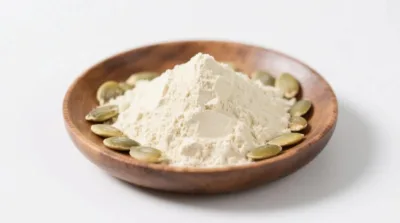
Organic Pumpkin Seed Protein Powder
Organic pumpkin seed protein powder offers ≥60% protein with high magnesium, zinc, and iron…
Related Posts