As we age, keeping muscle, bone density, and overall vitality depends more and more on getting enough protein. Yet many older adults eat far less protein than their bodies need. Reduced appetite, dental issues, changing digestion, and kidney health concerns all chip away at protein intake over time. The consequences are real: weaker muscles, fragile bones, slower recovery, and a diminished quality of life.
Organic hemp protein offers a gentle, easily digested, nutritionally rich option that meets these specific challenges. Unlike many protein supplements that are hard on the stomach or incomplete in amino acid profile, hemp protein delivers complete nutrition in a form aging bodies can absorb and use.
The case for plant protein in later life is not just that it is an alternative to animal options. In many cases it is the better fit.
Why protein needs increase after 60
It sounds counterintuitive, but older adults need more protein than younger people, not less. The reasons are rooted in how aging changes the body at a fundamental level, shifting nutritional requirements in ways many people overlook.
Sarcopenia, the age-related loss of muscle mass and strength, begins around age 30 but accelerates after 60. Without intervention, adults lose 3 to 8 percent of muscle mass each decade. By age 80, many have lost nearly half their muscle tissue. Sarcopenia directly contributes to falls, fractures, loss of independence, and slower recovery from illness.
Older adults should consume 1.0 to 1.2 grams of protein per kilogram of body weight daily, compared to 0.8 g/kg for younger adults. That is 25 to 50 percent more protein.
Anabolic resistance builds with age. As we get older, muscles respond less to protein signals. Older muscles need higher per-meal doses and higher-quality (complete) protein to trigger the same muscle-building response that younger muscles achieve with less. Eating the same amount of protein at 70 that worked at 40 will not produce the same results.
Bone health is connected. Protein plays a key role in bone density alongside calcium and vitamin D. Adequate protein intake is associated with reduced fracture risk, while protein deficiency accelerates bone loss.
Why hemp protein is well-suited for seniors
Hemp protein stands out among plant protein for seniors because it addresses several nutritional concerns at once, not just protein, but the full spectrum of nutrients aging bodies require.
Easy digestion. Hemp protein is plant-based and less likely to cause digestive discomfort than dairy proteins. Many seniors get bloating or gas from whey, particularly those with reduced lactase production. Hemp bypasses this entirely, and its fiber supports gut motility, which often slows with age.
Complete amino acid profile. Hemp protein contains all nine essential amino acids, rare among plant proteins. Most plant sources miss one or more, requiring combinations to reach completeness. Hemp delivers the full profile on its own, which makes it efficient for older adults who need complete proteins to overcome anabolic resistance.
Fiber content. A single serving provides 7 to 10 grams of dietary fiber, preventing constipation, promoting stable blood sugar, and feeding beneficial gut bacteria. Most protein supplements contain negligible fiber. Hemp is the exception.
Mineral density. Hemp protein is naturally rich in magnesium (bone health, sleep, muscle function), iron (blood health), and zinc (immune function), all minerals that become harder to absorb from food as we age.
Omega fatty acids. Hemp protein retains omega-3 and omega-6 from organic hemp hearts in the ideal 3:1 ratio, supporting cardiovascular health, cognitive function, and inflammatory balance.
Low allergen risk. No dairy, no soy, no gluten. Hemp is one of the safest protein options for seniors with food sensitivities.
Sarcopenia and hemp protein
Sarcopenia is one of the most significant health challenges facing older adults, and protein is the primary nutritional tool for fighting it.
The most effective intervention combines resistance training with adequate protein. Exercise provides the stimulus for muscle growth. Protein provides the raw materials.
Hemp protein contributes branched-chain amino acids (BCAAs), leucine, isoleucine, and valine, which stimulate muscle protein synthesis. While hemp has a somewhat lower leucine concentration per serving than whey, this can be compensated by a slightly larger serving or by combining hemp with other protein sources.
One notable advantage: hemp protein’s fiber slows digestion, producing a sustained amino acid release rather than the rapid spike and decline characteristic of whey. For seniors who eat fewer meals per day, this extended availability keeps amino acids accessible to muscles over a longer window.
Hemp protein also supports sarcopenia management while delivering fiber, minerals, and omega fatty acids, making it more nutrient-dense per serving than most alternatives. For older adults who want one supplement to address multiple needs at once, this breadth is a genuine advantage.
Bone health support
Bone health and protein intake are closely linked, a fact many seniors overlook when they focus only on calcium. Hemp protein supports bones through several mechanisms.
Magnesium. Hemp protein is a notable magnesium source, essential for calcium absorption and bone mineral density. Without adequate magnesium, calcium cannot be properly deposited into bone tissue. Many seniors take calcium supplements but remain magnesium-deficient.
Calcium. Hemp protein contains small but meaningful amounts of plant-based calcium, contributing to intake without relying on dairy.
Zinc. Zinc supports bone formation and mineralization, playing a role in osteoblast activity, the cells responsible for building new bone tissue.
Protein itself. Bones are roughly 50 percent protein by volume. Research consistently links adequate protein intake with reduced fracture risk. When protein is insufficient, bone remodeling is impaired even if calcium levels are adequate.
For seniors concerned about osteoporosis, hemp protein addresses multiple bone-health nutrients in a single serving, a more integrated approach than taking separate supplements for each mineral.
Digestive health
Digestive function changes significantly with age, and those changes directly affect how well the body absorbs and uses protein. Understanding the shifts helps explain why hemp protein suits older adults.
Reduced stomach acid. Many seniors produce less stomach acid, a condition called hypochlorhydria, which impairs the breakdown of dense animal proteins. Plant-based proteins like hemp are easier to digest under lower-acid conditions.
Constipation. Constipation becomes more common with age due to reduced gut motility, lower physical activity, and medication side effects. Hemp protein’s 7 to 10 grams of fiber per serving directly addresses this, promoting regular bowel movements.
Gentle on the system. Plant proteins produce fewer metabolic waste products and are associated with lower rates of digestive complaints, important for seniors with sensitive stomachs.
If you are new to hemp protein, start with half a scoop and increase gradually. Be aware of hemp protein side effects so you know what to expect during adjustment.
How seniors can use hemp protein
Practicality matters. A protein supplement is only useful if it is easy to work into daily routines. Hemp protein is remarkably versatile and simple to use.
Morning smoothie. Add one scoop to a smoothie with banana, berries, and almond or oat milk. The fruit flavors blend well with hemp protein’s mild, nutty taste, an ideal protein-rich start to the day with minimal prep.
Oatmeal or yogurt. Mix a scoop into warm oatmeal or yogurt. Top with organic hemp hearts for extra nutrition and a pleasant crunch.
Soups and stews. Add hemp protein directly to soups as a thickener and protein booster. Its subtle taste integrates into savory dishes.
Baking. Fold hemp protein into muffins, pancakes, or bread for protein-enriched baked goods.
Dosage. One scoop (about 30 grams) daily is a good starting point, providing about 15 grams of protein plus fiber and minerals. Seniors with higher needs can increase to two scoops, split between morning and afternoon. Take with food for optimal digestion.
Hemp protein vs other protein sources for seniors
Choosing a protein supplement means weighing benefits and drawbacks. Here is how hemp protein compares to the most common alternatives for older adults.
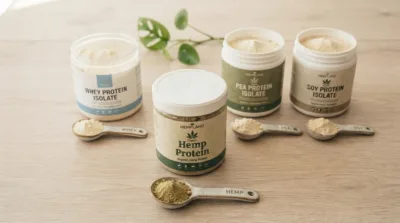
Hemp vs whey. Whey delivers more protein per scoop (about 25 g vs hemp’s 15 g) but may cause bloating and gas in lactose-sensitive seniors. Hemp compensates with fiber, minerals, and a hypoallergenic profile. For a detailed breakdown, see hemp vs whey vs pea vs soy.
Hemp vs soy. Soy is complete but one of the most common allergens, and many seniors avoid it due to phytoestrogen concerns. Hemp offers comparable completeness with virtually no allergen risk.
Hemp vs collagen. Collagen targets joints and skin but is an incomplete protein. It cannot support muscle protein synthesis on its own. Hemp provides the full amino acid profile for muscle maintenance.
Hemp vs meal replacement drinks. Many commercial products are high in sugar and fillers. Hemp protein is clean, unsweetened, and additive-free. Seniors control exactly what goes into their shake.
Hemp protein trades somewhat lower protein concentration per scoop for a richer nutritional profile and superior digestibility, a trade-off many seniors find favorable.
Precautions for seniors
While hemp protein is generally safe and well-tolerated, a few precautions are worth noting for older adults.
Consult your doctor. Before adding supplements, speak with your physician, especially if you take blood thinners. Hemp protein contains omega-3s, which have a mild blood-thinning effect worth discussing with a healthcare provider.
Start small. Begin with half a scoop and increase gradually over one to two weeks, allowing your digestive system to adapt to the fiber.
Stay hydrated. Fiber requires water to function properly. Without adequate hydration, increased fiber can cause constipation rather than relieve it. Aim for six to eight glasses of water daily.
Do not replace meals. Hemp protein supplements whole-food nutrition, it does not replace it. Use it to boost protein in existing meals.
Choose quality. Select organic, third-party-tested hemp protein to avoid heavy metal contamination. Our guide to choosing the best organic hemp protein powder covers what to look for. HEMPLAND organic hemp protein powder is cold-pressed and tested for purity.
Conclusion
Hemp protein is one of the most suitable protein supplements for older adults, not because it is trendy, but because it directly addresses the nutritional challenges of aging. Its complete amino acid profile supports muscle protein synthesis in bodies that are increasingly resistant to anabolic signals. Its fiber content resolves the constipation and sluggish digestion common among seniors. Its mineral density, magnesium, iron, and zinc, fills gaps in aging diets. And its hypoallergenic, dairy-free, soy-free, gluten-free nature makes it accessible to nearly everyone.
For seniors looking to maintain muscle strength, support bone density, improve digestion, and sustain vitality, hemp protein offers a gentle yet effective nutritional tool, just a scoop added to a morning smoothie, oatmeal, or soup.
HEMPLAND organic hemp protein powder is cold-pressed and tested for purity, a reliable choice for clean, complete nutrition without compromise. Contact us for more information.
Recommended Products
Organic Hemp Seed Protein
Premium organic hemp seed protein powder — 70%, 75%, 80% protein grades. Complete plant…
Related Posts