A woman’s nutritional needs shift across life stages, from the reproductive years through perimenopause and postmenopause. Each phase makes different demands on the body: iron loss during menstruation, metabolic changes during pregnancy, and declining estrogen that affects bone density, mood, and cardiovascular health. Meeting those needs takes more than a generic supplement. It takes nutrient-dense whole foods that deliver several benefits at once.
Pumpkin seed protein brings a mix of minerals, phytosterols, and plant-based protein that lines up unusually well with women’s health priorities. Most protein powders fixate on muscle building, but pumpkin seed protein carries a broader profile, rich in zinc, magnesium, iron, and antioxidant compounds that feed the systems women care about most. The nutrients in pumpkin seed protein address concerns that show up across every adult life stage, from managing PMS to moving through menopause, and from keeping hair strong to supporting clear skin. It deserves attention from women of all ages, whether you are balancing hormonal shifts, wanting cleaner nutrition, or simply looking for a protein that does more than one job.
Key nutrients in pumpkin seeds for women
Understanding the value starts with nutrient density. Unlike heavily processed isolates, cold-pressed pumpkin seed protein keeps a spectrum of minerals and bioactive compounds that work together in ways isolated nutrients cannot copy. Here are the nutrients that make pumpkin seeds especially suited to women’s health.
Zinc
Zinc is one of the standout minerals in pumpkin seeds. It contains zinc and vitamin E. Zinc takes part in over 100 enzymatic reactions and plays a direct role in synthesizing and releasing the hormones that govern the menstrual cycle. For women, getting enough zinc tracks with clearer skin, stronger hair, and more balanced hormone levels. It also supports the sense of taste and smell and keeps the immune system working, a priority for women juggling many responsibilities.
Magnesium
Magnesium may be the single most clinically significant mineral for women’s health. It drives more than 300 enzymatic reactions, including the ones behind energy production, muscle relaxation, and nerve transmission. Magnesium supports sleep quality, mood regulation, bone health, and reduced PMS symptoms. Study after study shows many adults fall short of the recommended magnesium intake, and women are especially at risk because of menstrual losses, higher stress, and diets that often skip magnesium-rich foods. Pumpkin seed protein delivers magnesium inside a food matrix that supports good absorption.
Iron
Iron keeps blood and oxygen moving through the body. Menstruating women need considerably more iron than men, and iron deficiency is one of the most common nutritional gaps among women worldwide. These effects can drag down daily life. Pumpkin seed protein gives a plant-based source of iron that becomes far more bioavailable when paired with vitamin C rich foods like citrus or bell peppers.
Phytosterols
Phytosterols are plant compounds shaped like cholesterol that occur naturally in pumpkin seeds. They support healthy cholesterol levels by competing with dietary cholesterol for absorption in the digestive tract. For women watching cardiovascular health, particularly after menopause when heart disease risk climbs, phytosterols offer a natural dietary edge that pairs with other heart-healthy habits.
Antioxidants
Pumpkin seeds carry carotenoids and vitamin E, both of which shield cells from oxidative stress. Vitamin E is a fat-soluble antioxidant that supports the skin barrier, holds in moisture, and softens the visible effects of environmental damage. Carotenoids add to the skin’s natural defense against UV related stress and help maintain a healthy complexion. For women invested in skin health and aging well, these antioxidants give meaningful daily support.
Plant-based protein
A serving of pumpkin seed protein gives roughly five to seven grams of complete protein with good amino acid diversity. Pumpkin seed protein contains all nine essential amino acids, so it is a complete protein that supports muscle maintenance, enzyme production, tissue repair, and the structural parts of skin and hair. That protein arrives alongside the minerals and phytosterols above, which makes pumpkin seed protein a nutrient-dense choice rather than an isolated supplement. For the full breakdown, see our nutritional profile of organic pumpkin seed protein powder.
Hormonal balance support
Hormonal balance touches nearly every stage of a woman’s life. From cycle regularity to perimenopausal symptom intensity, hormones shape mood, energy, skin, and overall wellbeing. Pumpkin seed protein supports hormonal health through several complementary mechanisms rooted in nutritional biochemistry.
The phytosterols in pumpkin seeds have mild phytoestrogenic effects. These plant compounds can interact with estrogen receptors in the body, potentially helping to moderate estrogen activity, whether by gently supporting low estrogen during perimenopause or by tempering excess. The effect is subtle next to medical hormone therapy, but it is a meaningful dietary strategy for women who want natural hormonal support through food. Phytosterols work gradually and gently, complementing other lifestyle approaches rather than replacing medical care.
Zinc plays a direct role in making and regulating hormones. It is required to synthesize follicle-stimulating hormone and luteinizing hormone, both of which govern the menstrual cycle. Zinc also supports ovarian function and helps regulate progesterone. For women with irregular cycles or hormonally driven skin issues, getting enough zinc is a foundational step toward more balanced hormonal function.
Magnesium’s link to PMS relief is among the best-researched nutritional interventions in women’s health. Clinical studies have documented that magnesium supplementation can reduce the severity of PMS symptoms, including mood swings, bloating, breast tenderness, and menstrual cramping. The mechanism runs through magnesium’s role in relaxing smooth muscle, lowering inflammation, and supporting neurotransmitter balance, particularly gamma-aminobutyric acid, which calms nervous system activity. Because pumpkin seed protein is naturally rich in magnesium, it offers a food-based way to raise intake steadily through the month.
For women managing polycystic ovary syndrome, pumpkin seed protein may help. The combination of zinc, magnesium, and plant protein lines up with the nutritional strategies often recommended for PCOS, which center on stabilizing blood sugar and lowering systemic inflammation. Zinc supports insulin sensitivity while magnesium aids glucose metabolism. The evidence tying pumpkin seed protein specifically to PCOS is still preliminary, and PCOS needs comprehensive medical management. Always talk with a healthcare provider about hormonal concerns.
Perimenopause and postmenopause support
The move through perimenopause and into postmenopause brings real physiological change. Declining estrogen affects nearly every system, and nutrition becomes one of the most accessible tools for managing symptoms and protecting long-term health. Pumpkin seed protein speaks to several of the most common concerns in this life stage.
Bone health leads the list. Estrogen helps maintain bone density, and its decline speeds bone loss in the years around menopause. Calcium gets most of the attention, but magnesium and zinc matter just as much. Magnesium converts vitamin D into its active form, which the body needs to absorb calcium. Zinc supports osteoblasts, the cells that build new bone tissue. Women who focus only on calcium miss these critical cofactors. Pumpkin seed protein delivers magnesium and zinc alongside protein, which also contributes to bone matrix integrity.
Nutritional needs change over time. The loss of estrogen’s cardiovascular protection raises the risk of elevated cholesterol, higher blood pressure, and heart disease. The phytosterols in pumpkin seeds support healthy cholesterol by reducing the intestinal absorption of dietary cholesterol. Magnesium supports cardiovascular function by helping regulate blood pressure and keep a normal heart rhythm. Together these compounds give a two-part approach to heart health that fits postmenopausal women especially well.
Mood and sleep disturbances rank among the most reported perimenopausal concerns. Fluctuating hormones can disrupt sleep architecture and feed anxiety, irritability, and low mood, sometimes well before hot flashes appear. Magnesium helps regulate the nervous system and supports the neurotransmitters behind mood and sleep, including serotonin and melatonin. Women who raise their magnesium intake often report more restful sleep, fewer nighttime awakenings, and steadier daytime mood. The magnesium in pumpkin seed protein feeds those calming effects.
Weight management through and after menopause brings its own challenges. Metabolic rate slows as estrogen falls, and body composition can shift toward more fat storage, especially around the abdomen. Plant protein supports satiety, the natural fullness after eating, which helps regulate appetite without restrictive dieting. Keeping muscle through adequate protein also supports a healthy metabolic rate, since muscle tissue burns more calories at rest than fat. Pumpkin seed protein supplies that protein alongside nutrients that support metabolic health directly.
Skin, hair, and beauty benefits
The beauty payoff of pumpkin seed protein goes past basic nutrition. The specific mix of minerals, antioxidants, and protein addresses many of the structural and protective needs of skin and hair, areas where women often spend real time and money.
Zinc is one of the most effective nutrients for clear skin. It helps regulate sebum production, lowers inflammatory responses in the skin, and supports the wound-healing process that clears blemishes. Unlike topical products that work only on the surface, zinc supports skin from within by influencing the hormonal and immune factors behind breakouts. Women with hormonally driven acne, especially along the jawline and chin, may see visibly clearer skin over time by raising zinc through whole foods. Zinc also feeds collagen synthesis, which keeps skin firm and elastic.
Vitamin E and the antioxidant carotenoids in pumpkin seeds protect skin from the oxidative damage caused by free radicals and environmental stressors like pollution and UV exposure. Vitamin E is a fat-soluble antioxidant that embeds in cell membranes, strengthening the skin barrier and helping it hold moisture. Carotenoids add to the skin’s built-in defenses and may support a subtle, healthy glow. For women concerned with photoaging, the cumulative effect of sun exposure on skin appearance, steady dietary intake of these antioxidants is a meaningful protective habit.
Protein is fundamental to hair structure and strength. Hair is mostly a protein called keratin, and adequate dietary protein is essential for maintaining its integrity and supporting the growth cycle. Women dealing with thinning, brittleness, or slow growth often benefit from reassessing their overall protein intake. Pumpkin seed protein offers a complete amino acid profile that supports keratin production, making it a practical add to a hair-conscious diet. Unlike cosmetic products that coat the hair shaft, dietary protein supports new hair as it forms.
Pumpkin seeds are used in a range of skincare formulations. Chronic low-grade inflammation sits underneath many skin issues, from persistent redness and sensitivity to more reactive conditions. The combination of zinc, magnesium, and antioxidants in pumpkin seed protein helps moderate inflammatory pathways in the body. That systemic calming can show up as calmer, more resilient skin, particularly for women whose skin reacts to stress, diet, or environmental triggers.
Copper, present in trace amounts in pumpkin seeds, supports melanin production. Melanin is the pigment behind hair and skin color. Enough dietary copper supports the melanocytes that produce melanin and may help preserve natural hair color as women age. No food can fully stop graying, but sufficient copper feeds the biological machinery behind hair pigmentation.
Pumpkin seed protein vs other plant proteins for women
With so many plant protein options on the shelf, it helps to see how pumpkin seed protein compares to the popular ones. Each source has its strengths, and knowing the differences helps you pick the protein, or blend, that fits your goals.
Pumpkin seed protein vs hemp protein
Both pumpkin seed protein and hemp protein are seed-based proteins with strong nutritional profiles, and they work well together. Hemp protein contributes notable omega-3 fatty acids and dietary fiber, which matter for cardiovascular health and digestive regularity. Pumpkin seed protein provides significantly more zinc and magnesium, the two minerals most directly tied to women’s hormonal health, bone density, and stress resilience. Rather than choosing one, many women rotate or combine the two for the broadest coverage. HEMPLAND’s hemp protein and organic pumpkin seed protein complement each other naturally, with hemp adding fatty acids and fiber while pumpkin delivers dense minerals.
Pumpkin seed protein vs soy protein
Soy protein contains isoflavones, a class of phytoestrogens that some women prefer to limit, particularly those with estrogen-sensitive health conditions or who simply want to moderate phytoestrogen intake. Soy is a well-researched, high-quality protein, but not every woman is comfortable with concentrated isoflavones. Pumpkin seed protein delivers the benefits of a complete plant protein without soy’s higher isoflavone content, making it a fitting alternative for women mindful of phytoestrogen intake. Its mineral profile, rich in zinc and magnesium, also sets it apart from soy’s different mineral mix.
Pumpkin seed protein vs pea protein
Pea protein is known for high protein per gram and a smooth texture, which has made it popular in blended powders and ready-to-drink products. Per gram, pea typically packs more protein than pumpkin seed protein. But pea runs lower in the minerals that matter most to women, zinc, magnesium, and iron sit at lower levels than in pumpkin seed protein. For women whose priority is lean tissue and maximum protein density, pea does that job well. For women focused on hormonal balance, bone health, and broad nutrient intake, pumpkin seed protein offers advantages pea alone cannot match.
The best approach: combine complementary sources
For many women, the most effective strategy is to combine complementary sources. A rotation or blend of pumpkin seed protein and hemp protein gives a broad amino acid spectrum, the essential omega-3 fatty acids from hemp, dietary fiber, and the full range of minerals women need across life stages. For active women, adding hemp peptide for muscle recovery alongside pumpkin seed protein can support both post-exercise recovery and everyday wellness. The goal is not to find a single perfect protein but to build an intake pattern that covers nutritional needs from several angles.
How to use pumpkin seed protein daily
Folding pumpkin seed protein into a daily routine is straightforward. Its mild, nutty flavor works in sweet and savory dishes alike, and it blends smoothly without taking over other ingredients.
Smoothies
Smoothies are the simplest, most popular way to use pumpkin seed protein. Blend one scoop with a handful of berries, a generous portion of leafy greens, a banana, and your preferred plant-based milk for a breakfast or snack that delivers protein, minerals, and antioxidants in one glass. The protein adds creaminess and staying power, so you feel satisfied for hours. A tablespoon of hemp seed oil brings essential fatty acids, while a squeeze of lemon juice improves iron absorption from the greens and the pumpkin seed protein.
Baking
Baking with pumpkin seed protein is an easy way to raise the protein content of everyday foods without changing your routine. Substitute about one quarter of the flour in muffins, pancakes, or quick breads with pumpkin seed protein. This ratio keeps the texture while meaningfully boosting nutritional density. Pumpkin seed protein pairs especially well with warm spices like cinnamon, nutmeg, and ginger, which harmonize with its natural nuttiness.
Energy balls
Energy balls are a convenient, no-bake option for portable nutrition. Combine pumpkin seed protein with rolled oats, chopped dates, cocoa powder, and a little honey or maple syrup. The dates supply natural sweetness and bind the mixture, while the protein and oats deliver sustained energy. Roll into bite-sized portions and refrigerate until firm. These make great pre-workout snacks, afternoon pick-me-ups, or on-the-go fuel for women with busy schedules.
Smoothie bowls
For a more substantial meal, pumpkin seed protein can anchor a smoothie bowl. Blend the protein with frozen bananas, a spoonful of hemp seed oil, and a splash of plant-based milk until thick and creamy. Top with sliced fruit, a sprinkle of pumpkin seeds, granola, and a drizzle of honey. The mix of protein, healthy fats, and fiber makes a balanced meal that supports energy and focus through the morning.
Dosage and timing
A typical serving is one to two scoops of pumpkin seed protein, giving about 20 to 30 grams of protein. That fits comfortably within most women’s daily protein needs and can be adjusted for activity level, body weight, age, and overall diet.
For timing, morning use gives sustained energy as the protein and minerals help stabilize blood sugar after the overnight fast. Post-workout use supports muscle recovery and replaces minerals lost in sweat. Some women find that an evening serving, thanks to its magnesium, supports more restful sleep and fewer nighttime awakenings.
Choosing quality pumpkin seed protein
Not all pumpkin seed protein products are equal. Quality varies with sourcing, processing, and testing standards. Knowing what to look for helps you get the full nutritional benefit without contaminants or additives.
Organic certification is the first and most important marker of quality. Organic pumpkin seeds are grown without synthetic pesticides, herbicides, or fertilizers, which lowers the risk of chemical residues in the finished product. Because pumpkin seed protein is concentrated, it takes a lot of seeds to make one serving of powder, so any pesticide residue on conventional seeds gets concentrated too. Choosing organic guards against that buildup and supports farming that is better for soil and water.
Cold-pressed processing preserves the nutrients that make pumpkin seed protein valuable. High-heat methods can degrade heat-sensitive compounds like vitamin E, carotenoids, and some amino acids, lowering the final product’s nutritional value. Cold-pressed methods keep these nutrients intact, so the powder delivers the full spectrum pumpkin seeds naturally offer.
Third-party testing for heavy metals is an essential quality control step. Pumpkin seeds, like many crops, can pull heavy metals such as lead, arsenic, cadmium, and mercury from the soil they grow in, even when farmed organically. Reputable manufacturers test every batch for these contaminants and share the results. That independent verification gives confidence that the powder meets safety standards and that the label matches the container.
A clean ingredient list is another reliable quality signal. The best pumpkin seed protein products contain a single ingredient: pumpkin seed protein. Some commercial powders add artificial flavors, sweeteners, thickeners, or preservatives that add no nutrition and can cause digestive discomfort in some women. A pure product with no fillers, gums, or synthetic additives respects the body and lets the natural nutrition speak for itself.
HEMPLAND’s organic pumpkin seed protein meets all of these criteria. It is sourced from organically grown pumpkin seeds, processed with cold-pressed methods that preserve nutrient integrity, and third-party tested for purity and potency. The result is a clean, complete protein powder that delivers the zinc, magnesium, iron, and phytosterols women need, without unnecessary additives. While this article focuses on women’s health, many of these benefits apply broadly. For men, pumpkin seed protein for men offers parallel advantages for prostate health, heart function, and athletic performance.
Conclusion
Pumpkin seed protein is more than a protein supplement. It is targeted nutrition that meets many of the specific health priorities women face across life stages, from hormonal balance and bone density to skin clarity and hair strength, with the mineral richness and phytosterols that make it a strong fit for women’s wellness.
The specifics are worth stating. A serving gives about five to seven grams of complete protein with all nine essential amino acids. The zinc and magnesium in that serving are the same minerals tied to menstrual regularity, clearer skin, and steadier energy, while phytosterols help manage cholesterol as estrogen declines. During perimenopause and postmenopause, those same nutrients, backed by phytosterols, speak to bone density, cardiovascular health, mood stability, and sleep. Few single foods cover this much targeted ground for women’s health.
For women weighing a protein choice, pumpkin seed protein fills the gaps a basic powder misses: the zinc and magnesium that drive hormonal and bone health, the phytosterols that support cholesterol, and the iron that menstruating women lose each month. Pair it with hemp protein for omega-3 and fiber, keep it unflavored, and treat it as everyday food rather than a medical fix.
HEMPLAND offers premium organic pumpkin seed protein tested for purity and potency. For women seeking clean, effective nutrition that lines up with their health priorities at every stage of life, it is a thoughtful, practical addition to a balanced, whole-food lifestyle.
Recommended Products
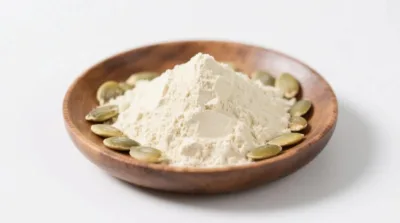
Organic Pumpkin Seed Protein Powder
Organic pumpkin seed protein powder offers ≥60% protein with high magnesium, zinc, and iron…
Related Posts