The global hemp protein market has moved out of specialty-niche territory and into a phase of steady, structural growth. Once confined to boutique health foods, hemp protein now competes as a mainstream plant-based option across bakery, beverages, meat analogues, and nutritional supplements. This analysis reviews where the market stands today, the forces driving demand, and how the category is expected to develop over the next few years.
What hemp protein is and why it matters
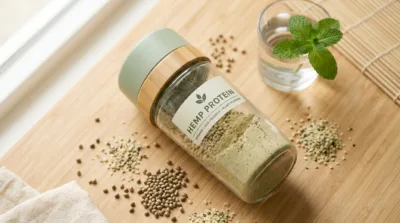
Hemp protein is produced from the seed of *Cannabis sativa* L. after cold pressing removes the oil. The remaining seed cake is milled into a fine powder with a protein content that typically ranges from 50% to 85%, depending on grade. Unlike many isolated plant proteins, hemp protein is a complete protein: it supplies all nine essential amino acids, and it also contributes dietary fiber, omega fatty acids, and minerals such as magnesium and iron.
For product developers, the practical advantages are easy to list. Hemp protein is allergen-friendly, free of both soy and dairy. Its mild nutty taste blends without fuss. And because hemp is a low-input, regenerative crop, the sustainability story carries real weight on the label. These traits explain why formulators increasingly choose it over soy and pea in clean-label work. Typical specifications for organic hemp seed protein and hemp peptide powder are available for review.
Market size and the forces behind the growth
Several durable drivers sit behind the expansion:
- Plant-based demand: consumers keep shifting toward flexitarian and plant-forward diets, pulling protein interest beyond soy and pea into newer crops.
- Clean-label expectations: buyers want recognizable, minimally processed ingredients with traceable origin, exactly what certified organic hemp delivers.
- Health awareness: the pandemic period accelerated interest in immune-supportive, nutrient-dense foods, bringing hemp protein into more everyday products.
- Regulatory opening: as more countries legalize industrial hemp with defined THC thresholds, cultivation and supply chains have scaled up accordingly.
The combined effect is a market that is broadening both in volume and in the range of finished applications.
Regional landscape
Asia-Pacific, North America, Europe, and Oceania are the principal production and consumption regions, and each shows a distinct profile:
- Asia-Pacific: strong cultivation base and fast-growing domestic food and supplement industries.
- North America: mature plant-based consumer market with high willingness to pay for premium organic protein.
- Europe: strict organic standards and a well-established natural-products retail channel.
- Oceania: export-oriented producers serving health-conscious regional and Asian markets.
Together these regions lead hemp protein application development and set the pace for global specifications.
Where hemp protein is used
Since 2015, hemp protein has expanded across end applications:
- Bread, pastries, and baked goods
- Meat substitutes and analogue products
- Beverages and ready-to-drink shakes
- Baby and toddler food
- Pet food and animal feed
- Nutritional supplements and protein blends
Specifications have evolved alongside the applications. Protein content in commercial products has climbed from around 50% toward 85%, reflecting demand for higher concentration and finer grading.
Competitive landscape and key players
The supply side includes agricultural producers, oil pressers, and protein millers. HEMPLAND has worked for many years in the production and wholesale of hemp series products with a focus on consistent quality and full-chain traceability. Alongside hemp seed protein, the portfolio covers organic sunflower protein, organic pumpkin seed protein, and organic hemp seed oil, giving formulators a broad plant-protein toolkit from a single audited source.
Challenges to watch
- Regulatory variance: THC limits and labeling rules differ by market, which complicates cross-border trade.
- Supply consistency: crop quality depends on agronomy and climate, so batch-to-batch protein content needs active management.
- Price pressure: as more entrants arrive, differentiation shifts from price to traceability, certification, and application support.
Forecast and outlook
The direction of the market is clear. Higher-protein grades in the 75 to 85% range will take a larger share as brands reformulate for stronger nutrition claims. Application depth will keep rising in beverages and meat analogues, while pet food and functional snacks open new volume. Regions that pair legal clarity with organic certification, Europe and North America above all, will capture the most value-added demand. Suppliers able to guarantee consistent specification, documented traceability, and application know-how are best positioned to grow along with the category.
Conclusion
Hemp protein has graduated from curiosity to credible, scalable plant protein. Product teams planning the next generation of clean-label foods and supplements get a complete amino-acid profile, a sustainability story buyers actually respond to, and a specification range that now reaches 85% protein. HEMPLAND continues to supply verified organic hemp protein and supports customers from concept through commercial launch.
Recommended Products
Organic Pumpkin Seed Protein Powder
Organic pumpkin seed protein powder offers ≥60% protein with high magnesium, zinc, and iron…
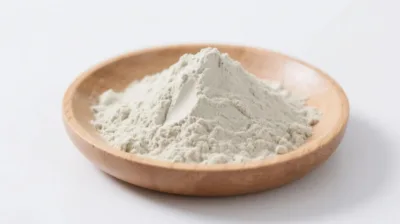
Organic Hemp Seed Protein
Premium organic hemp seed protein powder — 70%, 75%, 80% protein grades. Complete plant…
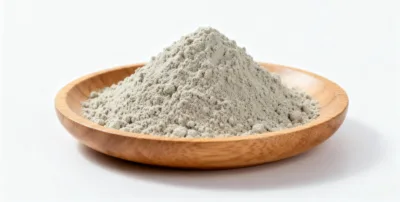
Hemp Peptide Powder
Highly bioavailable, easily digestible plant protein with functional benefits from organic hemp.
Related Posts