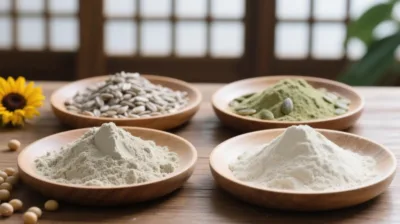
Sunflower protein is having a moment in plant-based nutrition: hypoallergenic, sustainable, and stocked with muscle-friendly amino acids. Far less discussed is how the humble seed becomes organic sunflower protein powder. The process is worth understanding, because it explains both the nutritional quality and the environmental case.
From field to powder: the five-step organic sunflower protein journey
1. Seed selection and organic farming
The journey starts with certified organic sunflower seeds grown without synthetic pesticides or GMOs. Farmers lean on regenerative practices such as crop rotation to enrich soil health and biodiversity along the way.
2. Dehulling and cleaning
Seeds pass through mechanical dehulling to remove the black outer shell, leaving the nutrient-dense hearts behind. Advanced air filtration then eliminates debris, keeping the stream free of contaminants.
3. Cold-pressed oil extraction
The hearts go to cold pressing, which extracts sunflower oil as a separate product and leaves behind a protein-rich, defatted cake. No hexane or chemicals are involved, just pressure and low heat (under 40°C) to preserve nutrients.
4. Protein isolation
The cake is milled into fine flour and soaked in water to separate fiber and starch. Centrifugation and ultrafiltration then draw out pure sunflower protein isolate at 90% protein.
5. Drying and packaging
Finally, the protein slurry is spray-dried at low temperatures to retain bioactive compounds. The finished powder is packed in recyclable materials, ready for kitchen and formulation work alike.
Why organic sunflower protein stands out
| Factor | Organic Sunflower Protein | Conventional Pea/Soy Protein |
|---|---|---|
| Allergen-Free | No top 8 allergens | Pea: Legume allergy risk; Soy: Common allergen |
| Processing | Chemical-free, low-heat methods | Often uses hexane or high-heat |
| Sustainability | Upcycles oil industry byproducts | High water/land use for soy/pea |
| Amino Acid Profile | Rich in methionine & cysteine | Pea: Low methionine; Soy: Controversial phytoestrogens |
Key benefits of organic sunflower protein powder
- Hypoallergenic power: safe for nut, soy, and gluten allergies.
- Complete amino acids: contains all 9 essentials, including sulfur-rich methionine, which supports detoxification.
- Eco-friendly: sunflowers require roughly 50% less water than almonds and help regenerate soil.
- Gut health support: 5 g of fiber per serving feeds beneficial bacteria.
How to use it
- Post-workout shake: blend with banana, spinach, and almond milk.
- Savory boost: stir into soups, veggie burgers, or hummus.
- Baking upgrade: replace 25% of the flour in muffins or pancakes for extra protein.
FAQs
Does it taste like sunflower seeds?
No. The powder reads neutral with a slight nuttiness, which suits sweet and savory recipes equally well.
Is it raw?
Yes. The cold-processed method keeps enzymes intact.
How does it compare to whey?
Lower in leucine but higher in antioxidants and fiber. Pairing it with pumpkin protein rounds out the amino acid profile for a complete boost.
Clean, earth-friendly protein ultimately comes down to sourcing decisions. Allergen-free processing and why it matters are explained in hypoallergenic protein solutions, while detailed nutritional data sits in sunflower seed protein’s nutrition profile. Between those two references, formulators get both the processing logic and the numbers behind this quiet overachiever among seed proteins.
Related Posts