Pumpkin seed kernels are one of the most nutrient-dense snacks you can keep in the pantry, but they get less attention than they deserve. Here is what the nutrition data, the research, and the everyday kitchen actually say about them.
What are pumpkin seed kernels?
Pumpkin seed kernels are the inner green seed found inside the white outer hull of pumpkin seeds (Cucurbita pepo). The term “kernel” specifically refers to the hulled seed, the white shell has been removed, leaving the tender green interior ready to eat. Unlike whole pumpkin seeds, which have a fibrous white shell that must be chewed thoroughly, kernels give you immediate access to the nutrition without the digestive work of processing the hull.
The distinction matters nutritionally. The hull is mostly indigestible fiber. Fiber has its own benefits, but removing the hull concentrates the kernel’s nutrient density. Per gram, pumpkin seed kernels deliver more protein, minerals, and healthy fats than their whole-seed counterparts, because the diluting effect of the hull is gone.
Organic certification adds a real quality dimension. Conventionally grown pumpkins and their seeds can carry pesticide residues. Because seeds store nutrients for the future plant, they can also accumulate environmental contaminants from soil and water. Organic pumpkin seed kernels from HEMPLAND are grown and processed under certified organic standards, with batch testing to verify the absence of pesticide residues and heavy metal contamination.
USDA nutrition data: a complete breakdown
The nutritional density of pumpkin seed kernels is worth examining by the numbers. USDA FoodData Central provides standardized reference values that allow meaningful comparisons across food categories.
A 28-gram (one ounce) serving of dried pumpkin seed kernels contains approximately:
- Protein: 8.5 grams, complete with all essential amino acids, which makes pumpkin kernels one of the richer seed sources of protein
- Total fat: 14 grams, predominantly unsaturated, with roughly 6 grams monounsaturated and 6 grams polyunsaturated
- Carbohydrate: 4 grams, of which roughly 2 grams is dietary fiber
- Calories: 163, mostly from fat and protein, with minimal contribution from carbohydrates
The mineral content is where the story gets interesting. The same 28-gram serving provides:
- Magnesium: 168 milligrams, about 40% of the adult daily value. Magnesium takes part in over 300 enzymatic reactions, including energy production, muscle function, and nervous system regulation.
- Zinc: 2.2 milligrams, about 20% of the daily value. Zinc contributes to the normal function of the immune system and to normal DNA synthesis.
- Iron: 2.3 milligrams, about 13% of the daily value, notable for a plant food, where iron bioavailability is generally lower than in animal sources.
- Phosphorus: 332 milligrams, about 27% of the daily value, contributing to bone mineralization and cellular energy metabolism.
- Manganese: 1.3 milligrams, about 56% of the daily value, acting as a co-factor for antioxidant enzymes.
- Copper: 0.4 milligrams, about 44% of the daily value, involved in iron metabolism and connective tissue formation.
The vitamin profile includes meaningful amounts of vitamin K (important for blood clotting and bone metabolism) and vitamin E (a fat-soluble antioxidant), along with smaller contributions from several B vitamins including thiamin, riboflavin, niacin, and folate.
Magnesium: the overlooked mineral in pumpkin kernels
Among the nutrients in pumpkin seed kernels, magnesium deserves attention because of both its concentration and how commonly Western diets fall short of it.
National dietary surveys consistently show that large portions of the adult population do not meet the Estimated Average Requirement for magnesium. National Health and Nutrition Examination Survey (NHANES) data indicates that roughly half of American adults consume less magnesium than recommended. Given magnesium’s role in blood pressure regulation, glucose metabolism, bone health, and muscle function, that gap has public health weight.
Pumpkin seed kernels can help close the gap. At 168 milligrams per ounce, a single serving supplies a substantial part of the daily requirement (310 to 420 milligrams for adults, depending on age and sex). Eaten regularly as part of a varied diet, pumpkin kernels are a practical way to improve magnesium status.
The magnesium in pumpkin kernels arrives alongside other nutrients that support its function. Vitamin K and phosphorus, both present in meaningful amounts, contribute to the bone mineralization processes that magnesium also supports. That co-occurrence of complementary nutrients in whole foods is something isolated supplements cannot replicate.
Zinc and iron content
Zinc contributes to the normal function of the immune system. It is required for the development and activity of multiple immune cell types, including neutrophils, natural killer cells, and T-lymphocytes. Even mild zinc deficiency measurably impairs immune response, a finding documented across multiple clinical studies.
Pumpkin seed kernels supply zinc at a level relevant to dietary adequacy. A 28-gram serving provides roughly 20% of the adult daily value. This is not a therapeutic dose for correcting an established deficiency, but consistent consumption of zinc-rich foods contributes meaningfully to maintaining adequate status.
The iron content, 2.3 milligrams per ounce, is substantial for a plant food. Plant-source (non-heme) iron absorbs less efficiently than the heme iron in animal products, but this can be partly addressed through meal composition. Eating pumpkin kernels alongside vitamin C-rich foods (citrus, bell peppers, leafy greens) improves non-heme iron absorption through a well-established mechanism: vitamin C reduces ferric iron to the more absorbable ferrous form.
For people following plant-based diets, the combination of zinc and iron in a single food is especially valuable. Both minerals are commonly flagged as nutrients needing attention in vegetarian and vegan meal planning, and pumpkin kernels address both in one convenient package.
Prostate health: what the research shows
Pumpkin seed kernels have been studied in the context of prostate health, and the existing research, while not definitive, points in useful directions.
The strongest research relates to benign prostatic hyperplasia (BPH), the non-cancerous enlargement of the prostate gland that commonly affects men as they age. A randomized, double-blind, placebo-controlled trial published in Nutrition Research and Practice in 2009 examined the effect of pumpkin seed oil on BPH symptoms in Korean men. Over 12 months, the treatment group showed significant improvement in symptom scores compared to placebo. This study used pumpkin seed oil rather than whole kernels, but the active compounds, phytosterols, zinc, and specific fatty acids, are present in the kernels as well.
Zinc is of particular mechanistic interest because the prostate concentrates zinc at levels higher than any other soft tissue in the male body. Prostate zinc concentrations decline in BPH and prostate cancer, and while the clinical significance of this observation is still being studied, maintaining adequate zinc through diet is a reasonable approach based on current understanding.
Phytosterols in pumpkin seeds, beta-sitosterol in particular, have also been studied for BPH symptom management. A Cochrane review of phytosterol therapies for BPH found modest but statistically significant improvements in urinary symptom scores and flow measures across multiple studies, though the review noted that long-term efficacy and safety data remain limited.
These findings suggest potential benefit but do not establish pumpkin seeds as a clinical treatment. The research supports their role as part of a diet that may contribute to prostate health maintenance, not as a substitute for medical evaluation and care.
Culinary uses: how to eat pumpkin seed kernels every day
The versatility of organic pumpkin seed kernels makes daily use practical rather than aspirational. Their mild, slightly nutty flavor and pleasant crunch fit into meals across the eating spectrum without elaborate preparation.
As a standalone snack, pumpkin kernels work well. Roasted with a light coating of olive oil and sea salt, they become a satisfying alternative to less nutritious snack options. Dry-roasting in a pan for three to five minutes intensifies the flavor without adding processed ingredients. Watch them closely, because pumpkin kernels burn quickly once they reach the toasting point.
In breakfast applications, pumpkin kernels add texture and nutrition to oatmeal, overnight oats, granola, and yogurt bowls. A tablespoon sprinkled over a morning meal provides roughly 3 grams of protein and a meaningful mineral contribution with no extra prep time.
Salad toppings are perhaps the most common use. Pumpkin kernels add crunch to green salads, grain bowls, and roasted vegetable dishes. Their flavor complements ingredients including arugula, roasted squash, beets, goat cheese, and balsamic vinaigrette. Unlike croutons or fried toppings, they add nutritional value alongside texture.
Baking multiplies the possibilities. Pumpkin seed kernels can be folded into bread dough (added during kneading), sprinkled on loaves before baking, mixed into muffin and quick bread batters, or used as a topping for crackers and flatbreads. They hold their texture through baking without turning chewy or losing their distinctive flavor.
For a more protein-focused use, pumpkin seed kernels can be ground into a coarse meal and used as a partial flour replacement, or blended into smoothies for added thickness and nutrition. Ground pumpkin kernels also make an effective coating for baked fish or chicken, providing crunch without breadcrumbs.
Pumpkin seed protein: the value-added product
Beyond whole kernels, pumpkin seed protein powder has emerged as a plant-based protein ingredient with specific advantages for both consumers and formulators. Produced by mechanically pressing pumpkin kernels to remove oil and then milling the remaining press cake into a fine powder, pumpkin protein retains much of the mineral content of the whole kernel in a protein-concentrated form. See our analysis of whether pumpkin seed protein is a complete protein powerhouse for the amino acid detail.
The protein content of pumpkin seed protein powder typically ranges from 60 to 70%, with the remainder made up of fiber, residual oil, and minerals. The amino acid profile is complete, all nine essential amino acids are present, though methionine and lysine sit somewhat lower than ideal for maximizing muscle protein synthesis gram for gram compared to animal proteins.
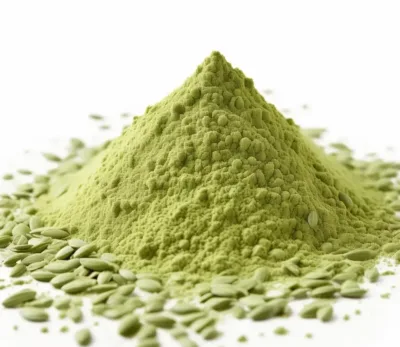
What sets pumpkin protein apart in the plant protein market is its color and flavor. Unlike hemp protein, which has a green-brown color and earthy taste, pumpkin protein is lighter, ranging from pale green to cream, with a milder, more neutral flavor. That makes it easier to add to a wider range of formulated products without aggressive flavor masking.
HEMPLAND’s approach to pumpkin seed processing combines cold-pressed oil extraction with protein recovery, creating what is described as a zero-waste production system. The oil sells into culinary and supplement markets, the protein into sports nutrition and functional food, and the fiber-rich residual material can serve as an ingredient in bakery and snack products. This full-utilization model reduces both waste and per-unit environmental cost.
For individuals with soy or dairy allergies, pumpkin seed protein offers a hypoallergenic alternative in the growing plant-based protein category. Its allergen profile is notably clean compared to soy (a major allergen), wheat (gluten and coeliac concerns), and dairy (lactose intolerance and milk protein allergy).
Comparing pumpkin kernels to other seeds
Placing pumpkin seed kernels next to other popular seeds, sunflower, hemp, chia, and flax, clarifies their nutritional position and practical uses.
Sunflower seed kernels are nutritionally similar in some respects but differ in key areas. Sunflower kernels provide more vitamin E (a fat-soluble antioxidant) and comparable protein, but significantly less zinc. The magnesium content is roughly equivalent. Flavor-wise, sunflower kernels are milder and slightly sweeter, while pumpkin kernels have a deeper, more savory character that many find more satisfying as a snack.
Hemp seeds (hearts) contain more protein per serving and provide meaningful omega-3 fatty acids, something pumpkin kernels do not offer in significant amounts. However, pumpkin kernels contain more zinc and magnesium. The two seeds complement each other nutritionally and are often combined in trail mixes and granola.
Chia and flax seeds are primarily valued for fiber and omega-3 content rather than protein, which makes them complementary to, rather than substitutes for, pumpkin kernels in most diets. Their gelling properties when mixed with liquid also set them apart functionally from pumpkin kernels, which keep their individual texture regardless of preparation.
The practical takeaway is that different seeds fill different nutritional niches, and variety across seed types gives a broader nutrient spectrum than relying on any single variety.
Selecting and storing organic pumpkin seed kernels
Quality varies in the marketplace, and knowing what to look for helps ensure you get the full nutritional value of organic pumpkin seed kernels.
Color is a useful quality indicator. Fresh, properly stored pumpkin kernels should be dark green, almost olive-colored. Fading to brown or yellow-green suggests age or exposure to light and heat, both of which accelerate the oxidation of the polyunsaturated fats that make pumpkin kernels nutritionally valuable.
Aroma gives another quality signal. Fresh pumpkin kernels have a clean, nutty scent with no sharp or paint-like notes. Rancid oils produce distinctive off-odors that are detectable well before the product would cause illness. If the kernels smell unpleasant or “off,” the nutritional value has already degraded.
Storage conditions significantly affect shelf life. The polyunsaturated fat content that makes pumpkin kernels healthful also makes them vulnerable to oxidation. Store kernels in an airtight container in a cool, dark location. A pantry cupboard works for short-term storage, while refrigeration or freezing extends shelf life for bulk quantities bought less frequently.
Packaging matters at the point of purchase. Look for opaque packages that block light, which accelerates lipid oxidation. Resealable packaging helps maintain freshness after opening. Bulk bin kernels should come from retailers with rapid inventory turnover and bins protected from direct light.
For product specifications, batch documentation, and wholesale inquiries about HEMPLAND’s organic pumpkin seed kernels, contact us directly for current availability, pricing, and third-party test results.
Conclusion
Organic pumpkin seed kernels deliver an uncommon combination of nutritional density and culinary versatility. Per serving, they provide protein, healthy fats, and minerals, particularly magnesium, zinc, and iron, at levels that contribute meaningfully to daily dietary requirements. Unlike many nutrient-dense foods that demand preparation or an acquired taste, pumpkin kernels slip into everyday eating with minimal effort.
The magnesium content alone positions pumpkin kernels as a practical dietary intervention for a widespread nutritional shortfall. The zinc and phytosterol content connects them to prostate health research that, while not conclusive, points in a consistent direction. The protein content supports their use as both a standalone food and the foundation for pumpkin seed protein products with applications across the food industry.
Quality selection, looking for vibrant green color, clean aroma, and appropriate packaging, ensures the nutritional value present at harvest reaches your kitchen intact. Proper storage protects that value over time.
Whether eaten as a snack, salad topper, baking ingredient, or protein source, organic pumpkin seed kernels are a food whose nutritional profile exceeds what most people expect from a simple seed.
Disclaimer: Nutritional values cited are from USDA FoodData Central reference data and may vary between specific batches and products. This article is for informational purposes and does not constitute medical advice.
Recommended Products

Organic Pumpkin Seed Kernel
Premium Whole Seed Nutrition for Food, Snack & Oil Applications
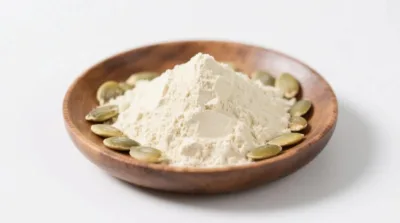
Organic Pumpkin Seed Protein Powder
Organic pumpkin seed protein powder offers ≥60% protein with high magnesium, zinc, and iron…

Organic Sunflower Seed Kernels
Premium, hulled kernels from organically grown sunflowers, offering a deliciously mild, nutty flavor and…
Related Posts