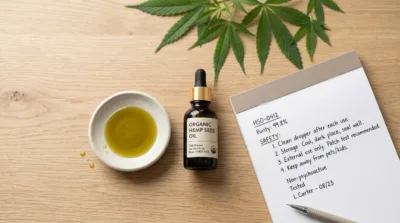
As the popularity of organic hemp seed oil and organic hemp heart oil climbs, one question comes up: *Can these oils cause a positive drug test result?* The short answer is no, when sourced responsibly. Here is how the science, certifications, and extraction processes keep these nutrient-rich oils compliant and safe.
1. Understanding Drug Tests: What Triggers a Positive Result?
Drug screenings typically detect tetrahydrocannabinol (THC), the psychoactive compound in cannabis. However:
- Industrial hemp-derived oils (like hemp seed and hemp heart oil) must legally contain <0.3% THC to comply with U.S. federal and international standards.
- THC-free certification: reputable brands use advanced filtration and third-party testing to reach 0.0% THC, removing any cross-contamination risk.
Key fact: even trace THC metabolites from low-quality oils are unlikely to build up enough to trigger a positive test.
2. Organic Hemp Seed Oil: Purity From Seed to Bottle
Organic hemp seed oil is cold-pressed from the seeds of *Cannabis sativa*, prioritizing nutrient retention and THC removal:
- Nutritional powerhouse: rich in omega-3 and omega-6 fatty acids (3:1 ratio), plant-based protein, and antioxidants like vitamin E.
- Zero THC guarantee: leading brands use CO2 or ethanol extraction, methods that avoid solvents like hexane and its residue risk.
- Certifications matter: look for USDA Organic, Non-GMO, and ISO-compliant lab reports to confirm purity.
Pro tip: avoid unverified “full-spectrum” oils, which may retain trace cannabinoids.
3. Organic Hemp Heart Oil: The Elite, Low-Husk Alternative
Hemp heart oil, derived from hulled hemp seeds (hearts), goes through even stricter processing:
- Laser dehulling: removes 99% of fibrous husks, cutting the chlorophyll and tannins that occasionally carry residual plant compounds.
- Ultra-low THC: double-filtered and cold-pressed below 40°C to preserve nutrients while keeping THC undetectable.
- Ideal for sensitive diets: its neutral flavor and smooth texture suit athletes, professionals, and health-conscious families.
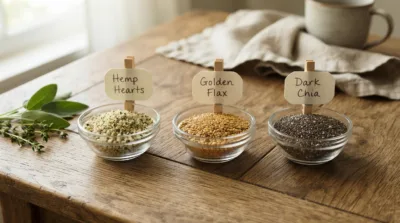
Clinical assurance: studies confirm hemp heart oil’s bioavailability exceeds chia and flaxseed oils by 40%, with no interference from husk-derived fiber.
4. Why Trustworthy Brands Make All the Difference
Not all hemp oils are equal. Red flags include:
- Lack of third-party testing: always verify Certificates of Analysis (CoA) for THC content and contaminants like heavy metals.
- Misleading labels: terms like “hemp oil” may ambiguously mean CBD-rich extracts, so stick to “hemp seed oil” or “hemp heart oil” for clarity.
- Ethical sourcing: brands partnering with fair-trade cooperatives support sustainable farming and THC-compliant crops.
Top pick: choose cold-pressed, organic oils with transparent supply chains, such as those certified under the European Union’s strict organic standards.
5. Real-World Applications: Safe Integration Into Your Routine
Both oils offer versatility without compromising compliance:
- Culinary uses: drizzle over salads, blend into smoothies, or use in low-heat cooking.
- Skincare: their anti-inflammatory properties soothe eczema and acne, with no risk of systemic THC absorption.
- Fitness recovery: omega-3s reduce muscle inflammation, aiding post-workout recovery for athletes subject to random screenings.
Embrace Hemp Oils With Confidence
Organic hemp seed oil and hemp heart oil are not only safe for drug screenings but also a practical step toward everyday wellness. By choosing certified, responsibly processed products, you get the benefits without compromising your lifestyle or career.
Choose clarity. Choose quality.
Related Posts