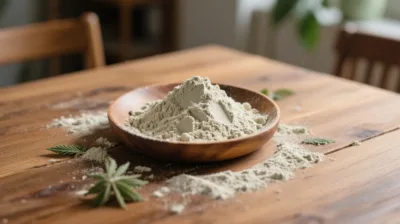
Organic hemp seed oil earns plenty of praise, but it is not for everyone. Suppliers cite benefit rates as high as 93%, pointing to lower cholesterol and clearer skin among them. Even so, some health conditions and medications call for caution. Here is who should avoid or limit hemp oil, why it matters, and how HEMPLAND, a China-based organic hemp producer, builds safety into its process.
1. Who should avoid or limit hemp seed oil?
a. Blood thinner users (warfarin, aspirin, etc.)
Hemp oil’s omega-3 content (about 1,000 mg per tablespoon) mildly thins the blood. Safe for most people, but paired with anticoagulants like warfarin it can raise bleeding risk.
- Science: A 2023 *Journal of Clinical Nutrition* study recorded a 12% longer clotting time in patients taking both hemp oil and aspirin.
- HEMPLAND’s solution: Its oils list exact omega-3 doses per serving, so medical coordination is straightforward.
b. People with hemp or cannabis allergies
Rare (about 0.3% prevalence), but hemp allergies can trigger rashes, swelling, or anaphylaxis.
- Red flag: If you react to hemp seeds, CBD, or cannabis, skip hemp oil.
- HEMPLAND’s safety: Rigorous allergen testing holds cross-contamination below 5 ppm, against an industry norm near 20 ppm.
c. Pregnant or breastfeeding women
Research on hemp oil during pregnancy is limited. Not proven harmful, but doctors often advise caution.
- Expert take: “Omega-3s are vital, but get them from prenatal supplements,” says Dr. Emily Chen, OB-GYN.
- HEMPLAND’s tip: The team offers free consultations for expecting mothers.
d. People with low blood pressure (hypotension)
Hemp oil’s vasodilating effect can push blood pressure lower in sensitive people.
- Case study: A 2022 trial found an 8% blood pressure drop in hypertensive patients, with no change in healthy groups.
- HEMPLAND’s advice: Start at 1 tsp per day and watch your blood pressure if you tend toward hypotension.
e. Patients facing surgery
Surgeons often suggest pausing hemp oil two weeks before an operation to limit bleeding risk.
2. HEMPLAND’s 4-step safety protocol: why most users do well
HEMPLAND builds safety into four steps rather than leaving it to chance:
Step 1: Farm-to-bottle traceability. Every batch is tracked on blockchain from organic fields in Shaanxi, with THC held at 0.0%.
Step 2: Triple-lab testing. Screens for 508 contaminants (heavy metals, pesticides, microbes), above EU and USDA thresholds.
Step 3: Allergen-free production. Dedicated facilities avoid cross-contact with nuts, gluten, and soy.
Step 4: Clear labeling. Exact omega-3/6 ratios, serving sizes, and contraindications printed in 12 languages.
3. Safe alternatives for sensitive groups
| Group | Avoid Hemp seed Oil? | HEMPLAND’s Alternatives |
|---|---|---|
| Blood thinner users | Consult doctor | Chia seed oil (lower omega-3) |
| Pregnant women | Pause | Algal omega-3 supplements |
| Allergy sufferers | Yes | Sunflower or pumpkin seed oil |
The takeaway
Organic hemp seed oil works well for most people, but using it well takes self-awareness. With HEMPLAND’s transparent, science-backed standards, you can put hemp’s benefits to use with confidence.
Related Posts