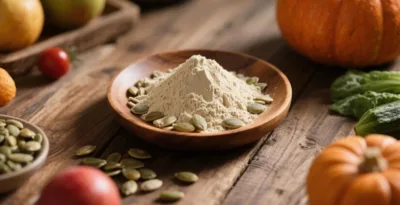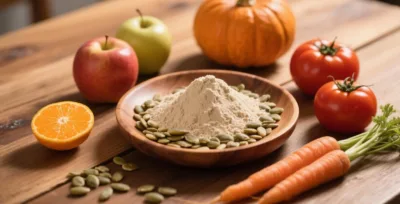
The global food and beverage market has shifted hard toward healthier, more sustainable, and plant-based options. Among the emerging ingredients, organic pumpkin seed protein has drawn substantial attention for its nutritional profile, versatility, and fit with consumer preferences for natural, eco-friendly products. This article looks at the current consumer trends and market demand behind organic pumpkin seed protein, and why the ingredient is positioned for broader adoption.
The rise of plant-based proteins
The surge in plant-based diets is the single biggest driver of demand for organic pumpkin seed protein. More people are adopting vegetarian, vegan, and flexitarian eating, pushed by health concerns, environmental sustainability, and ethics. A Good Food Institute report found the plant-based food market in the United States alone grew 27 percent in 2020, reaching $7 billion in sales. That growth is expected to continue as consumers keep looking for alternatives to animal products.
Plant-based proteins lead this movement, with buyers seeking high-quality sources that are both nutritious and sustainable. Organic pumpkin seed protein fits that demand. It is made from pumpkin seeds, a byproduct of the pumpkin industry, which makes it a sustainable choice that cuts waste. On top of that, pumpkin seed protein is rich in essential amino acids, vitamins, minerals, and antioxidants, giving it a broad nutritional profile that appeals to health-conscious buyers.
Health and wellness trends
Health and wellness now sit at the center of purchasing decisions. The COVID-19 pandemic sharpened that focus, with people prioritizing immune-supporting, nutrient-dense foods for their overall well-being. Organic pumpkin seed protein stands out here because of its many health benefits. It is a complete protein, carrying all nine essential amino acids needed for muscle repair and growth. It is also a good source of magnesium, iron, zinc, and other nutrients that support immune function, cardiovascular health, and metabolic processes.
The dietary fiber in pumpkin seed protein also supports digestive health, which makes it attractive to consumers working on gut health. Further, antioxidants such as vitamin E and carotenoids help counter oxidative stress and inflammation, adding long-term health value. As buyers learn more about what their food delivers, ingredients like organic pumpkin seed protein gain ground for offering several benefits in a single source.
Sustainability and environmental impact
Sustainability is another core driver of market demand. Consumers are more aware of the environmental footprint of their food choices and are looking for products that match their values around stewardship. Organic farming, which avoids synthetic pesticides and fertilizers, resonates with eco-conscious buyers who want products that are kind to the planet.
Pumpkin seeds, the source of pumpkin seed protein, are a byproduct of pumpkin production, so turning them into protein powder helps cut food waste. This upcycling of byproducts into useful ingredients is a real trend in the food industry, supporting a circular economy and lowering environmental impact. Choosing organic pumpkin seed protein lets consumers feel they are making a positive environmental contribution.
Allergen-free and special diet compatibility
Food allergies and intolerances are a growing concern, driving demand for allergen-free products. Organic pumpkin seed protein is naturally free of common allergens such as gluten, soy, and dairy, making it a safe, versatile option for people with sensitivities. That allergen-friendly nature widens its appeal to a larger audience, including those with celiac disease, lactose intolerance, or soy allergies.
Organic pumpkin seed protein also fits various special diets, including vegan, vegetarian, keto, and paleo. Its high protein content and low carbohydrate load make it a strong pick for keto dieters, while its plant-based origin aligns with vegan and vegetarian preferences. That versatility makes it a valuable ingredient for manufacturers serving diverse consumer needs.
Product development activity
Rising demand is pushing more product development. Food and beverage manufacturers are finding new ways to work this ingredient into a wide range of products, from protein bars and smoothies to dairy alternatives and baked goods. The mild, nutty flavor of pumpkin seed protein lets it blend quietly into formulations, raising the nutritional profile without hurting taste.
Functional foods and beverages are a major area of activity, as consumers want convenient, nutrient-dense options that fit busy lives. Organic pumpkin seed protein is showing up in high-protein snacks, meal replacement shakes, and fortified foods that combine convenience with health benefits. This move toward functional products is expected to drive further market growth.
Market potential and future outlook
The market potential for organic pumpkin seed protein is substantial, given the convergence of health, sustainability, and dietary trends. A Grand View Research report projects the global plant-based protein market will reach $16.63 billion by 2025, growing at a compound annual rate of 8.4 percent from 2019 to 2025. Organic pumpkin seed protein is well placed to capture part of that growth, offering a unique mix of nutrition, sustainability, and allergen-free properties that appeals across consumer segments.
As awareness of its benefits grows, organic pumpkin seed protein is likely to become a staple in the health and wellness sector. Retailers and manufacturers can ride this trend by adding pumpkin seed protein to their product lines and marketing it as a premium, sustainable, and health-enhancing ingredient. Partnerships with health influencers, education campaigns, and transparent labeling can further build consumer confidence and drive adoption.
Conclusion
The consumer trends and market demand for organic pumpkin seed protein reflect a broader move toward healthier, more sustainable, and plant-based food choices. As health, sustainability, and dietary preferences keep shaping behavior, organic pumpkin seed protein is emerging as a versatile and valuable ingredient. Its rich nutritional profile, environmental benefits, and compatibility with various diets make it an ideal choice for food and beverage manufacturers meeting the needs of today’s health-conscious consumers. With the right strategies and product development, organic pumpkin seed protein has the potential to become a key player in the future of plant-based nutrition.
Related Posts