For procurement teams serving athletes, military personnel, and safety-sensitive employers, one question comes up again and again: will hemp protein powder show up on a drug test? The truth behind THC-free assurance comes down to two things, residual THC concentration and how screening actually works. If you compete in sanctioned sports, serve in the military, or supply a workforce subject to random urine screening, you have almost certainly had to answer it for a customer or an employer. The short answer: high-quality, properly processed hemp protein contains THC at levels too low to produce a confirmed positive on a standard two-step workplace drug screen.
What hemp protein actually contains
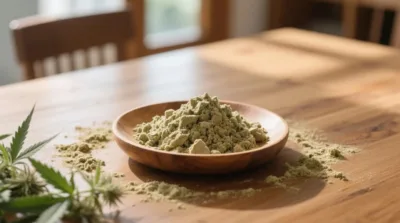
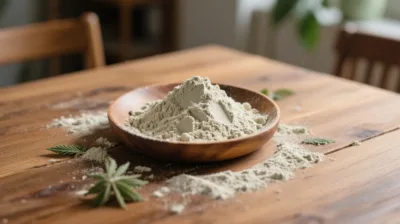
Hemp protein powder is made by cold-pressing hemp seeds to remove oil, then milling the remaining cake into flour. The psychoactive compound THC is produced in the flowers and leaves of *Cannabis sativa* L., not in the seed kernel. Commercial dehulling and cleaning strip away residual plant matter, leaving seed material with only trace, often non-detectable, THC. Reputable suppliers verify this on a certificate of analysis using accredited methods (typically GC-MS or LC-MS/MS) and report results in parts per million.
The distinction that matters for buyers: hemp is legally defined as *Cannabis sativa* containing no more than 0.3% THC on a dry-weight basis, and food-grade seed protein sits far below that ceiling after processing.
THC content versus screening cutoffs
Workplace and sports drug screens target the THC metabolite carboxy-THC (THC-COOH), not the seed itself. The numbers below explain why dietary hemp protein does not register.
| Parameter | Typical value | B2B implication |
|---|---|---|
| THC in cleaned hemp seed | Non-detect to <0.3% (often <1 ppm) | Well below any flower-derived material |
| THC-COOH in finished protein | Non-detect in accredited testing | No metabolite present to begin with |
| Workplace screen cutoff (GC-MS confirm) | 15 ng/mL THC-COOH | Dietary intake does not reach this |
| Initial immunoassay screen cutoff | 50 ng/mL | Far above any plausible dietary load |
| Two-step process | Screen + confirmatory test | Reduces false positives sharply |
| WADA / sports testing | Validated LC-MS/MS | Same conclusion for seed protein |
Source: SAMHSA screening thresholds; WADA Technical Document on urine thresholds.
How to use hemp protein without screening risk
For formulators the path is straightforward. Source only from suppliers who provide a per-batch COA showing non-detect THC, and keep that COA on file for customers who ask. Avoid any product that blends hemp with full-spectrum cannabis extracts; that is a different category entirely and not food-grade protein.
If your end users are elite athletes, point them toward third-party certification where available (Informed-Sport, Banned Substances Control Group). These programs test finished product lots for banned substances, cannabinoids included, and give procurement a defensible answer.
Benefits of a verified THC-free claim
- Opens restricted channels. A documented THC-free status lets you sell into sports nutrition, military commissaries, and employer-wellness programs that would reject unverified botanicals.
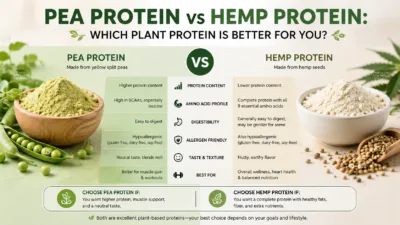
- Supports clean-label positioning. Hemp protein is plant-based, close to complete in amino acids, and free of the major allergens, pairing well with pea or pumpkin protein.
- Reduces liability. COA-backed assurance protects your brand from the single most common objection raised against hemp ingredients.
Safety and precautions
The real risk is not the molecule in the seed; it is poor sourcing. Buying from uncertified suppliers or blended-material lots can carry unpredictable residues. Procurement should require three things: a COA stating the testing method and limit of detection, confirmation that the material is food-grade seed protein rather than extract, and standard allergen and heavy-metal panels. Keep a “may contain trace cannabinoids from seed” disclaimer only if your own testing shows detectable levels; otherwise state “THC-free, verified by COA” and stand behind it. No product claim should suggest that hemp protein has any intoxicating effect.
FAQ
Q: Will hemp protein powder make me fail a drug test? A: No, not with verified food-grade material. Cleaned hemp seed contains negligible to non-detect THC, and screens measure the metabolite at thresholds far above any dietary load. A batch COA confirms this.
Q: Does “THC-free” mean zero, or just below the limit? A: It means below the accredited method’s limit of detection for that batch, which suppliers report on the COA. Ask for the number; “non-detect at <1 ppm" is a strong, defensible statement.
Q: Are military and sports testing stricter than workplace screens? A: They use the same metabolite logic and validated mass-spec confirmation. Seed-derived protein still does not reach the cutoff. Third-party sport certification adds finished-good lot testing for extra assurance.
Q: Can topical hemp seed oil cause a positive test? A: Topical oil is not ingested and is not absorbed into blood at screen-relevant levels, so it will not produce a urinary positive. The reassurance for protein applies even more strongly to external use.
Request the COA
Selling into a screening-sensitive channel? Request our hemp protein specification sheet and per-batch THC COA so your compliance and procurement teams can verify non-detect status before launch. We support pilot batches with full traceability and third-party test panels on every lot.
Related Posts