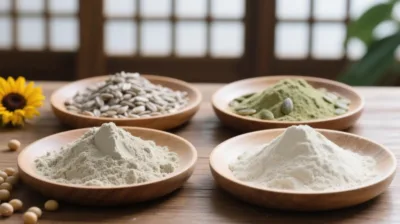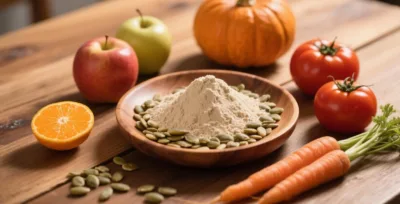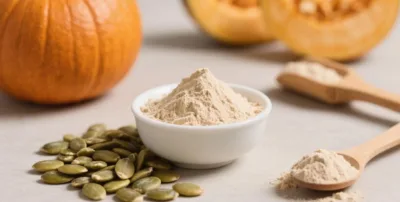
Organic pumpkin protein powder tends to win people over fast. Its flavor draws comparisons to a healthier cousin of the pumpkin spice latte, and it blends without fuss. Then, sometimes two weeks into daily smoothies, the gut pushes back. That pattern deserves attention, because pumpkin protein is not the universal superfood influencers make it out to be, and for some people it is straight-up problematic. Here is who should skip this trendy powder, and what to use instead.
If you’re allergic, yes, to pumpkins
Pumpkin allergies are rare, but they exist. Pumpkin belongs to the *Cucurbitaceae* family, which includes squash, cucumbers, and melons. Anyone who has ever reacted to any of these should steer clear of its concentrated protein as well.
The red flags to know:
- An itchy mouth or throat after eating pumpkin.
- Swelling or rashes.
- Digestive cramps or nausea within 2 hours of consuming it.
A practical warning follows: many pumpkin protein blends also contain coconut or nuts, so anyone carrying other allergies should always check labels for cross-contamination warnings.
If you’re on a low-FODMAP diet for gut issues
This is where pumpkin protein plays stealth bomb for sensitive guts. While pumpkin flesh is low-FODMAP, concentrated pumpkin protein can pack fructans, the type of carbohydrate that feeds irritable bowel syndrome (IBS) symptoms.
The science is specific. A 30 g serving of pumpkin protein powder contains roughly 2 g of fructans, about half the FODMAP threshold that triggers bloating in IBS sufferers. Sensitive-gut drinkers who swap it for low-FODMAP pea protein typically describe the before-and-after as night and day.
If you have kidney disease or need to limit potassium
Pumpkin is naturally high in potassium: 100 g of puree carries 340 mg. Most of that gets removed during protein processing, but trace amounts remain, and context decides whether that matters. For healthy people the leftover potassium is a perk. For anyone managing kidney disease, or taking potassium-restricted medication such as certain blood pressure drugs, even small doses count.
The per-scoop comparison tells the story:
- Pumpkin protein: ~150 mg potassium per scoop.
- Pea protein: ~80 mg.
- Rice protein: ~50 mg.
Anyone in this camp should ask a nephrologist or dietitian before adding pumpkin protein to a routine.
If you’re vegan and rely on it for complete protein
Pumpkin protein is not a complete protein. It runs low in lysine and leucine, two amino acids critical for muscle repair, and while some brands fortify their blends, many do not. The predictable result: relying on pumpkin protein alone after workouts and watching recovery stall because the muscles are short on amino acids.
Two fixes work. Pair it with lysine-rich foods such as beans or lentils, or choose a blended plant protein combining pumpkin with pea and quinoa.
If you’re pregnant or breastfeeding
No studies directly link pumpkin protein to pregnancy risks, but the fine print matters. Many pumpkin protein powders contain added adaptogens such as ashwagandha or maca, neither of which is recommended during pregnancy. Even pure blends can be contaminated with heavy metals when testing is not rigorous. Until more research exists, sticking with pregnancy-safe proteins such as organic pea, or collagen for those who are not vegan, is the cautious play.
If you’re using it to replace real vegetables
Let’s be direct: no protein powder replaces whole foods. Skipping salads because a smoothie contains pumpkin protein is a trade that never pays, since powders lack the fiber, vitamins, and antioxidants of actual pumpkin. The numbers settle it: one serving of pumpkin protein delivers roughly one-tenth the vitamin A found in a cup of roasted pumpkin. It is a supplement, not a veggie swap.
What to use instead
| If You Avoid Pumpkin Protein Because… | Try This Instead |
|---|---|
| Allergies or IBS | Pea protein (low-FODMAP, hypoallergenic) |
| Kidney issues | Rice protein (low potassium) |
| Pregnancy/breastfeeding | Organic collagen or soy protein |
| Need complete amino acids | Hemp or quinoa protein |
The bottom line
For most people, organic pumpkin protein powder is a solid choice, rich in magnesium, fiber, and antioxidants. But for anyone in the six camps above, it is not worth the gamble, and a doctor’s input beats any article, including this one. Supplements should complement a diet, not complicate it.
Still unsure? A 3-day trial gives a clean answer: skip pumpkin protein, note any changes in energy, digestion, or skin, then reintroduce it and compare. The body will tell the truth without lab tests required.
Related Posts