Natural health shelves are fuller than ever, and organic hemp seed oil keeps showing up near the front. It is pressed cold from hemp seed and valued for its fatty acid balance and its gentle, multi-use nature. People reach for it for heart support, skin, and a clean addition to the pantry. With so many bottles on the market, the practical question is how to pick one that actually delivers.
Why this oil gets attention
Before the buying checklist, a quick recap of what sets organic hemp seed oil apart:
- An omega-6 to omega-3 ratio near 3:1, the balance most often linked to calmer inflammation and broader health support.
- GLA, a rare plant source of gamma-linolenic acid, valued for skin and its anti-inflammatory role.
- Vitamin E and other micronutrients that round out the profile.
- No common allergens such as gluten, dairy, or soy in the seed itself.
- A crop that gives back to the soil, which matters to buyers watching their footprint.
What to look for on the shelf
When the goal is a high-quality bottle for the home, these points separate the good from the forgettable.
Confirm the organic claim. The word “organic” on a label is a legal standard, not decoration. It means the seeds grew without synthetic pesticide, herbicide, or GMO input, and the certification is audited rather than assumed. For an oil you eat or rub on your skin, that clean source is the whole point. Check the bottle for a named certification: USDA Organic, EU Organic, or the local equivalent if you are shopping in Japan.
Insist on cold-pressed and unrefined. How the oil is pulled from the seed decides what stays in it. High heat and chemical solvents break the delicate fatty acids and the compounds people pay for. Refined oil still cooks well, but it loses much of the nutrition. Labels that read “cold-pressed” or “unrefined” signal a gentle extraction that keeps the nutrients, the green color, and the mild nutty taste.
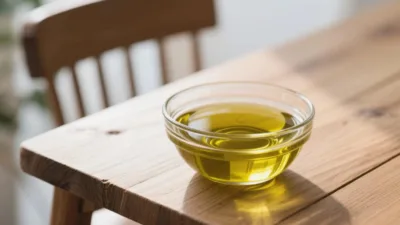
Read the color and smell. Fresh oil tells on itself. Look for a green tone anywhere from pale olive to deep emerald, which points to chlorophyll still in the bottle. A very pale oil may have been refined and stripped. The scent should be mild, nutty, and a little earthy. Rancid, flat, or aggressively grassy smells are warning signs of oxidation or weak sourcing.
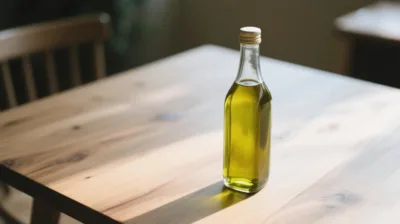
Judge the bottle. Light and heat are the enemies of those fragile fatty acids, and oxygen does damage too. Dark glass, amber or deep green, blocks the light that turns oil rancid, while a tight cap slows air from getting in. Skip clear bottles when you can.
Check storage and shelf life. Quality continues after you buy. Good brands print refrigerate-after-opening guidance and a best-before date. Unopened, a well-packed oil stays good roughly 12 to 18 months from production, though the exact window depends on the packaging. A freezer extends that further if space allows.
Know the source. Where the hemp grew adds quiet confidence. Climate and farming method shift the fatty acid profile, and brands that name their region or describe their practices make the bottle in your hand easier to trust. Price alone is a weak signal of quality.
Keeping these points in view turns a confusing aisle into a short list. A premium organic hemp seed oil should meet your health goals and your standards for purity without a hard sell. Buyers weighing extraction methods should read up on the difference between cold-pressed and refined hemp seed oil. For a buyer focused on brand-level decisions, this professional brand guide to choosing hemp seed oil goes deeper on the criteria.
Recommended Products

Bulk Organic Hemp Seed Oil
Bulk organic hemp seed oil in cold-pressed, virgin and extra virgin grades, with a…
Organic Refined Hemp Seed Oil
100% Certified Organic • Non-GMO ingredient • Neutral Flavor • High Smoke Point 232°C
Related Posts