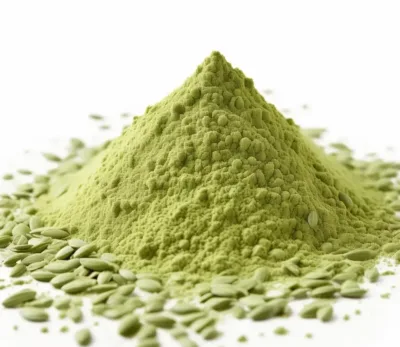
Sunflower protein has moved from niche ingredient to mainstream fixture faster than many industry observers predicted. Five years ago, the typical American consumer had never heard the term. Today, sunflower protein shows up in nutrition bars, plant-based meat alternatives, baking mixes, and standalone protein powders. The shift is measurable in dollars, units, and consumer survey responses. The data behind that movement tells a clear story, and so do the consumer preferences driving it, including what buyers from individual shoppers to product developers can expect as sunflower protein keeps taking share in the plant protein category.
The global plant protein market in numbers
The plant protein market has posted growth figures that pull investment from across the food industry. According to Grand View Research, the global plant-based protein market was valued at about $14.3 billion in 2023 and is projected to expand at a compound annual growth rate of 7.3 percent through 2030. That growth spreads across all major plant protein sources, soy, pea, wheat, rice, and the emerging seed protein category that includes sunflower, pumpkin, and hemp.
Bloomberg Intelligence estimated in 2022 that plant-based food sales would reach $162 billion by 2030, roughly 7.7 percent of the total global protein market. While that figure covers all plant-based foods, milks, meats, cheeses, and eggs, the protein ingredients inside those products represent the upstream market that sunflower protein serves.
North America holds the largest regional share of the plant protein market, driven by flexitarian eating, established food processing infrastructure, and a regulatory environment that permits structure-function claims on protein supplements. Europe follows closely, with stricter rules around health claims but equally strong consumer demand. The Asia-Pacific region is the fastest-growing segment, as rising middle-class incomes in countries like China, India, and Indonesia lift demand for packaged protein products.
Within the plant protein category, the seed protein subsegment, which includes sunflower, pumpkin, hemp, and chia proteins, is growing faster than the category average. A 2023 report from MarketsandMarkets projected that the sunflower protein market would grow from roughly $75 million in 2023 to over $120 million by 2028, a compound annual growth rate near 10 percent. Sunflower protein remains a fraction of the total plant protein market next to soy and pea, but its growth trajectory points to meaningful expansion in applications and consumer awareness.
Why sunflower protein is gaining market share
Sunflower protein’s momentum has several structural drivers, not one single cause.
The first is the allergen question. Soy, wheat, and pea proteins all trigger allergies or sensitivities in measurable parts of the population. Soy is one of the FDA’s nine major food allergens. Wheat contains gluten, which affects people with celiac disease and non-celiac gluten sensitivity. Pea protein, while not a major allergen, has been linked to allergic reactions in people with legume sensitivities. Sunflower seeds are not among the major allergens recognized by any national regulatory agency, which makes sunflower protein the default choice for manufacturers building products labeled free from the top allergens.
The second driver is the clean label overlap. Sunflower protein is produced through mechanical processing, cleaning, dehulling, cold pressing, and milling, with no chemical solvents. That method lines up with the consumer expectation that ingredients should be recognizable and made through processes they can picture. Soy protein isolate is typically made with hexane extraction, which clean label consumers see as incompatible with natural food standards. Pea protein uses wet fractionation with pH adjustment, a food-grade process but more opaque than simple mechanical pressing and milling. If you want the deeper clean-label angle, our guide on how sunflower protein powder supports a clean label strategy covers it in detail.
The third driver is supply chain geography. Sunflowers are grown at commercial scale in regions with established oilseed infrastructure: the Black Sea region (Ukraine and Russia), the European Union (France, Romania, Bulgaria), Argentina, and the United States. The existing sunflower oil industry provides the raw material base for protein production. When sunflower seeds are pressed for oil, the leftover seed cake is a protein-rich co-product that until recently was mostly sold as animal feed. Turning that co-product into food-grade protein powder captures extra value from an existing supply chain without needing new farmland.
The fourth driver is flavor advantage over competing plant proteins. Pea protein has a distinct earthy, vegetal aftertaste that manufacturers hide with sweeteners, flavors, or encapsulation. Soy carries a beany note that survives processing. Hemp protein has a nutty, grassy flavor that some consumers like but that limits broad use. Sunflower protein has a comparatively neutral, mild taste that blends into formulations more easily. For product developers, a protein that skips the flavor-masking system simplifies the ingredient panel, cuts cost, and makes clean label positioning easier to execute.
Consumer preferences reshaping the protein category
Consumer research keeps surfacing preference shifts that benefit sunflower protein and seed proteins generally.
A 2023 survey by the International Food Information Council tracked protein consumption among U.S. adults and found that 28 percent of respondents reported eating more plant protein than a year earlier. The top two motivations were health benefits (43 percent) and environmental concerns (31 percent). Within the plant protein segment, two-thirds said they had read ingredient labels on protein products, and among those, 55 percent said ingredient recognition was a purchase factor.
FMCG Gurus, a food and beverage consumer research firm, published 2023 survey data showing that 59 percent of global consumers wanted to know more about where their food ingredients come from. When asked specifically about protein sources, sunflower was one of three plant proteins that respondents linked with “natural” and “recognizable,” alongside almond and pumpkin seed proteins. Pea and soy scored lower on those attributes.
Whole Foods Market’s 2024 food trend report named seed-based ingredients as a top trend for the year, citing sunflower, pumpkin, and watermelon seeds appearing in new product launches across categories. The report noted that consumers view seeds as “nutrient-dense and approachable,” attributes that translate into purchase motivation.
The shift toward seed proteins also shows in purchase data. SPINS, a firm tracking natural and specialty product sales, reported in 2023 that plant proteins from seeds grew 11.2 percent year over year across natural retail channels, outpacing pea protein (7.4 percent) and soy protein (1.3 percent). Those rates come off a smaller base for seed proteins, but the trajectory signals a consumer pivot still in its early stages.
New product categories adopting sunflower protein
Sunflower protein is turning up in product categories that did not exist when the ingredient first entered the market. That spread of applications is the clearest evidence of market expansion.
Protein bars are among the most active categories. Several natural-channel brands have reformulated bar lines to replace soy protein isolate or whey with sunflower protein. The usual driver is a mix of allergen cleanup, removing dairy or soy from the panel, and clean label positioning. Sunflower protein’s mild flavor lets it work in sweet bar formulas without the heavy masking systems pea demands.
Plant-based meat alternatives are a more technically demanding application. Sunflower protein’s functional properties, water binding, fat emulsification, and texture contribution, differ from soy and pea proteins. It does not form a fibrous structure the way textured pea protein does, which limits its use as the primary protein in products that mimic whole-muscle meat. Its strongest role in the meat alternative space is as a secondary protein that complements a primary texturized protein. A pea-and-sunflower blend in a plant-based burger, for example, can soften the pea aftertaste while keeping the structural integrity pea provides.
Baking mixes and flour blends are a consumer-facing application that has grown through e-commerce and specialty retail. Pancake and waffle mixes, muffin mixes, and bread flour blends that include sunflower protein let consumers add protein to homemade baked goods without a separate ingredient purchase. These products typically position sunflower protein as a functional add, protein without added allergens, on the front panel.
Ready-to-drink protein beverages are where sunflower protein hits technical limits. It has lower solubility in cold water than whey or pea, which can cause a gritty mouthfeel if not formulated carefully. Some brands have addressed this through micronization, grinding the protein to a finer particle size, or by blending sunflower with a more soluble protein to improve mouthfeel while keeping sunflower on the label for its allergen and clean label benefits.
The sports nutrition category, long dominated by whey, has been slower to adopt sunflower protein, but plant-based pre-workout and recovery products are in active development. Sunflower protein’s amino acid profile includes moderate levels of branched-chain amino acids, which makes it a supplementary rather than primary protein for athletes whose training centers on maximizing muscle protein synthesis. For general fitness consumers, sunflower protein is adequate as a daily supplement alongside a varied diet.
Price trends and market accessibility
The economics of sunflower protein affect both consumer prices and manufacturer adoption. Sunflower protein currently trades at a premium to soy and at rough parity with pea in the wholesale market, depending on grade, organic certification, and volume. That pricing reflects both the supply side, sunflower capacity is smaller than pea capacity, and the demand side, where allergen-free and clean label attributes command premiums in some segments.
Organic certification adds a meaningful cost layer. Organic sunflower seeds cost more than conventional seeds, and organic facilities run at lower throughput because of mandatory segregation. For consumers, an organic sunflower protein powder typically costs more than a conventional one, which in turn costs more than conventional soy. Whether the premium is worth it depends on the buyer’s priorities, allergen concerns, clean label standards, organic preferences, or budget.
Medium-term price trends will hinge on production capacity and raw material supply. Sunflower seed supply carries geopolitical risk concentrated in the Black Sea region, which accounts for roughly 60 percent of global sunflower seed production. Russia’s 2022 invasion of Ukraine disrupted sunflower oil and seed supplies, driving price spikes that rippled through ingredient markets. The protein fraction was hit because protein is the co-product of oil production, when oil output drops, protein output drops. As Ukraine’s farm sector recovered, with 2023 to 2024 seed production close to pre-invasion levels, prices stabilized.
Capacity investment in sunflower protein processing is happening, mainly in Europe and North America, but stays small next to the money flowing into pea processing. The pea protein industry has drawn hundreds of millions in capital spending for new fractionation facilities over the past five years. Sunflower protein lacks that scale of investment, which limits its ability to compete purely on price. Instead, it competes on attributes, allergen-free, solvent-free, clean label, that justify a price above commodity proteins.
How HEMPLAND fits into the market
HEMPLAND occupies a specific niche in the sunflower protein market: certified organic, single-ingredient, consumer-packaged sunflower protein powder sold direct to consumers and through select retail partners. That positioning targets consumers who have moved past general plant protein awareness to specific ingredient preferences, people who look for sunflower protein by name.
The direct-to-consumer model helps a seed protein brand where consumer education is still a purchase barrier. Instead of competing for attention on a crowded retail shelf where sunflower protein is one option among dozens, HEMPLAND can explain the product on its own website, supply documentation including third-party testing certificates, and build direct relationships with the consumers most likely to buy seed proteins repeatedly. For a category where understanding the ingredient drives purchase intent, the chance to educate is itself a distribution strategy.
Organic certification sets HEMPLAND apart from conventional sunflower protein products that may compete on price but cannot offer the third-party verification of farming practices, processing standards, and absence of synthetic inputs that USDA Organic provides. For consumers who treat organic certification as a baseline requirement rather than a premium feature, a conventional sunflower protein is not a substitute, which puts HEMPLAND in a smaller, more defined competitive set.
What buyers should watch in the coming years
Several developments will shape the sunflower protein market over the next three to five years, and buyers who track them can make better-informed decisions.
Production scale will decide whether sunflower protein moves from specialty ingredient to broad-market viability. If processing capacity expands, especially if purpose-built sunflower protein facilities open rather than relying on co-production from oilseed crushing plants, the price gap between sunflower and pea could narrow and enlarge the addressable market.
Research into functional properties will widen applications. Sunflower protein’s limits in solubility and gelation are known and are the subject of ongoing food science research. If processing innovations, enzymatic treatment, physical modification, or blending strategies, improve functionality, the range of products using sunflower protein will grow beyond today’s bars, powders, and baking mixes into categories that demand higher technical performance.
Regulatory developments will affect global market access. Sunflower protein already has regulatory clearance as a food ingredient in the European Union, the United States, and many Asian markets, but specific country-level approvals for novel food ingredients vary. New market openings, particularly in Asia-Pacific where plant protein demand is rising, would add demand that pulls supply-side investment.
Consumer education will determine category awareness. Sunflower protein remains unfamiliar to most consumers. Market research suggests that once consumers learn what sunflower protein is and how it differs from pea or soy, purchase intent rises. The brands that invest in consumer education, through content, transparency, and third-party verification, will capture an outsized share of the awareness that drives the next phase of growth.
Conclusion
Sunflower protein is one of the fastest-growing segments in the broader plant protein market, with a compound annual growth rate near 10 percent driven by structural advantages in allergen profile, clean label alignment, supply chain integration with the existing sunflower oil industry, and flavor performance against competing plant proteins.
Consumer demand is shifting toward ingredients that are both functional and recognizable, and sunflower protein delivers on both. The ingredient has moved past the protein powder category into bars, baking mixes, meat alternatives, and beverages, a spread that signals a market moving from early adoption toward broader acceptance.
HEMPLAND’s organic sunflower seed protein holds a position in this market built on documented quality, single-ingredient simplicity, and the transparency that an educated consumer base values. As the category grows and awareness rises, that positioning should keep resonating with the buyers driving the market’s expansion, not merely riding its momentum.
For product inquiries or batch-specific quality documentation, Contact Us.
Related Posts