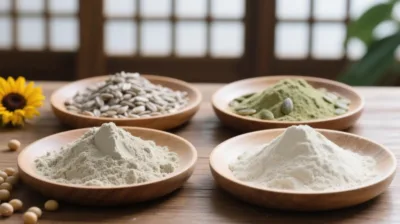
The plant protein landscape is shifting. For decades, soy protein dominated commercial food formulation as the default plant-based option. Its functional reliability, neutral flavor, and cost efficiency made it the obvious choice for manufacturers adding protein to everything from energy bars to meat alternatives. Yet a growing number of formulators are actively moving away from soy, and organic sunflower seed protein has emerged as a leading beneficiary of the transition.
Understanding why this shift is happening helps both commercial decision-makers weighing ingredient strategies and informed consumers curious about what goes into their food.
The soy protein legacy
Soy protein’s history in food manufacturing spans more than half a century. Isolated soy protein received GRAS (Generally Recognized As Safe) status in the 1960s, opening the door to widespread commercial use. Its functional strengths in emulsification, gelation, and water binding made it invaluable for processed meat products, protein supplements, and textured vegetable proteins.
Production scale brought cost efficiency. Vast soybean cultivation in North and South America created abundant supply at competitive pricing, letting manufacturers add protein claims without dramatically impacting ingredient costs.
Despite that entrenched position, persistent concerns have gradually eroded soy’s dominance in premium and specialty categories.
Growing concerns with soy protein
Allergen management challenges
Soy appears on major allergen lists across North America, Europe, and most developed markets. Mandatory allergen declaration means any soy-containing product must say so plainly, which can deter consumers managing soy allergies or sensitivities.
For brands targeting allergen-conscious consumers, soy creates instant exclusion of a meaningful market segment. Formulators report increasing inquiries about allergen status, particularly from parents managing children’s multiple food allergies.
Consumer perception issues
Beyond clinical allergenicity, consumer perception of soy has grown complicated. Four threads run through it:
- Genetic modification: extensive scientific review confirms GMO soy’s safety, yet preference for non-GMO ingredients keeps climbing, especially in premium natural products channels. Maintaining verified non-GMO soy supply adds cost and complexity.
- Hormonal concerns: some consumers worry about phytoestrogens (isoflavones) despite research showing these compounds are generally benign. The perception persists anyway and shapes purchasing decisions among certain demographics.
- Digestive sensitivity: anecdotal reports of discomfort from soy protein affect compliance and repeat purchase rates, even if not universal.
- Ultra-processed associations: interest in minimally processed ingredients clashes with the intensive processing required to produce highly purified soy protein isolate.
Functional limitations
On pure functionality, soy poses problems for certain applications. Its strong emulsification, valuable in meat products, can create undesirable textures in other matrices. And soy’s distinct flavor, even in refined forms, requires masking in many applications.
The rise of sunflower seed protein
Organic sunflower seed protein answers many of the concerns that have complicated soy’s market position.
Allergen-friendly profile
Sunflower seed protein does not appear on major allergen lists. True sunflower allergies exist but remain extremely rare compared to soy, peanut, tree nut, dairy, or egg allergies.
That status enables cleaner labeling and broader consumer accessibility without sacrificing protein quality. For brands claiming “free from the top 8 allergens” or similar, sunflower protein delivers functionality that soy cannot match.
Clean label alignment
Demand for clean-label products (those with recognizable, minimally processed ingredients) has intensified across every food category, and sunflower protein fits naturally:
- Simple production process: concentrate production involves mechanical pressing for oil extraction followed by aqueous extraction and drying. No solvents, no chemical modifications requiring special declarations.
- Recognizable source: “organic sunflower seed protein” communicates instantly to shoppers in ways “soy protein isolate” or “textured vegetable protein” cannot. The ingredient name itself supports natural-positioning narratives.
- Non-GMO by default: conventional sunflower is rarely genetically modified, eliminating verification requirements and perception baggage.
Nutritional advantages
Nutritionally, sunflower protein brings real value. Its lysine content addresses a classic weakness of seed and grain proteins, and while leucine trails whey or soy, it supports human protein requirements adequately for most applications. Sunflower’s exceptional vitamin E (tocopherols) transfers meaningfully into the concentrate, providing antioxidant protection that extends product shelf life and adds consumer-relevant nutrition. Chlorogenic acid and other phenolic antioxidants contribute oxidative stability along with potential health benefits, and selenium content supports antioxidant enzyme function, rounding out the differentiation.
Market positioning opportunities
Premium natural products
The natural products channel has embraced sunflower protein as a premium alternative to conventional sources. Brands positioning in this space typically command 20-40% retail premiums and lean on the clean-label narrative and stronger consumer perception.
Products gaining traction include protein bars built on sunflower butter with added sunflower protein, RTD beverages using sunflower as the primary protein source, meat alternatives incorporating it for texture and nutrition, and bakery and snack products fortified for nutritional positioning.
Allergen-free product lines
Manufacturers building products for allergen-sensitive consumers find sunflower protein especially useful. Markets for allergen-friendly foods keep expanding as awareness grows, and sunflower enables “top 8 allergen-free” positioning without sacrificing protein content or quality. That claim category commands significant retail premiums and loyal followings.
Sports nutrition evolution
Traditional sports nutrition leaned heavily on whey and soy. As the category widens to audiences uncomfortable with dairy or heavily processed ingredients, sunflower offers differentiated positioning. Active consumers seeking clean supplements appreciate the simple production process and recognizable ingredient name. It will not match whey for absolute muscle-building efficiency, but it provides adequate protein support for recreational fitness enthusiasts.
B2B considerations for formulators
Functional properties
Sunflower protein concentrate meets most formulation requirements. Emulsification capacity is adequate for salad dressings, processed meats, and emulsified products. Water-holding capacity supports texture development in meat analogs and baked goods. Foaming is moderate but sufficient for mousses and whipped applications, and particle size distribution can be adjusted to build meat-like textures in alternative protein products.
Formulation challenges
Honest assessment requires naming the limits:
- Protein concentration: concentrate typically reaches 60-70%, well below soy isolate’s 90%+. More ingredient is needed per protein claim.
- Color: a natural greenish tint from chlorophyll can limit appearance-sensitive applications; bleaching exists but adds processing cost.
- Flavor: generally mild, though slight bitterness can surface in some applications; masking may be necessary for neutral profiles.
- Supply availability: production scale remains smaller than soy, demanding careful supplier relationship management and planning.
Cost dynamics
At wholesale volumes, sunflower protein currently costs 40-80% more than comparable soy protein. Smaller production scale drives that premium rather than any inherent inferiority.
For premium-positioned brands, the increase is often absorbable. Protein supplements selling at $6-10 per serving take on ingredient cost premiums far more easily than mass-market products at $1-2 per serving.
The strategic shift
Manufacturers weighing the move should weigh four factors. Market positioning alignment: premium natural products benefit most from sunflower’s advantages, while mass-market lines competing on price may find soy’s economics irreplaceable. Consumer segment targeting: Gen Z and Millennial buyers driving growth in natural and plant-based categories express stronger preferences for novel ingredients over conventional options like soy. Competitive differentiation: adopting sunflower separates a brand from commodity competitors still relying on soy, supporting premium pricing and shelf presence. Future-proofing: regulatory momentum increasingly favors allergen management and clean-label positioning, so early adoption builds capability and supplier relationships before competitive pressure intensifies.
Implementation strategies
Gradual transition
Transition can be progressive rather than wholesale. Launch new products on sunflower protein while reformulating existing lines step by step. Introduce sunflower versions of proven sellers to gather market validation before broader changes. Or position sunflower-based tiers at higher price points above existing soy-based offerings.
Blending approaches
Blends balance performance and positioning:
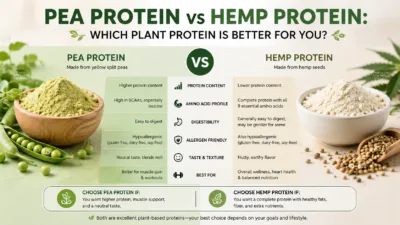
- Sunflower + pea: balances sunflower’s moderate leucine with pea’s high BCAA levels, covering clean-label positioning and athletic performance needs at once.
- Sunflower + hemp: combines allergen-friendly positioning with omega fatty acids and additional fiber.
- Triple blends: sunflower, pea, and hemp together maximize market coverage.
Conclusion
The shift from soy toward organic sunflower seed protein reflects a changed evaluation rubric. Allergen management, clean-label fit, and consumer perception now sit beside functional performance and cost as deciding factors.
Sunflower protein offers compelling advantages for brands prioritizing premium positioning, allergen-friendly claims, and clean-label narratives, with limitations that technique and blending can manage. Soy will keep winning on economics in mass-market applications for the foreseeable future; sunflower has already claimed premium and specialty.
For brands targeting consumers seeking alternatives to conventional protein sources, the transition amounts to more than an ingredient swap. It signals a move toward transparent, differentiated, and consumer-centric food development. HEMPLAND supplies certified organic sunflower seed protein powder that is soy-free, allergen-friendly, and suited to clean label formulations.
Related Posts