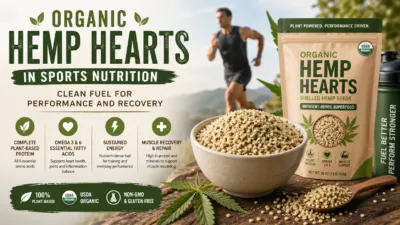
The sports nutrition market has gone through a fundamental shift over the past decade. Once dominated by bodybuilder-focused products with aggressive marketing and a pharmaceutical look, today’s sports nutrition increasingly leans on natural ingredients, clean labels, and positioning that reaches beyond hardcore fitness fans.
Organic hemp protein has become a strategically important ingredient in this evolved market. Its mix of nutritional quality, clean-label appeal, and natural positioning meets demands that conventional proteins cannot fully satisfy.
This article looks at how hemp protein strengthens sports nutrition formulations, for both ingredient buyers weighing product development and informed consumers who want to know what goes into their performance products.
Evolution of sports nutrition markets
From niche to mainstream
Sports nutrition has moved from a niche category serving competitive athletes and bodybuilders into a mainstream consumer market:
- Demographic broadening: active consumers across age groups, fitness levels, and lifestyles now use sports nutrition products.
- Usage occasion expansion: protein supplements, once taken mainly around workouts, now show up in breakfast smoothies, snack replacements, and everyday dietary boosts.
- Positioning evolution: messaging has shifted from “performance enhancement” to a “health and wellness” frame that suits mainstream buyers.
- Retail channel expansion: sports nutrition now sits in natural foods stores, mainstream grocery, convenience stores, and specialty retail, not just supplement shops.
Consumer preference shifts
These market changes reflect deeper shifts in what buyers want:
- Natural ingredient demand: shoppers increasingly want products made with recognizable, lightly processed ingredients.
- Clean label expectations: simple ingredient lists without artificial additives line up with broader food trends.
- Plant-based growth: rising interest in plant-based eating now extends to sports nutrition, where plant proteins were once seen as inferior.
- Sustainability awareness: environmental concern shapes protein-source choices for eco-minded buyers.
Hemp protein’s positioning speaks to these shifts directly.
Nutritional foundation for athletic performance
Protein requirements for athletes
Athletic training raises the body’s protein demands:
- Muscle protein synthesis: resistance training stimulates muscle protein synthesis, which needs enough amino acid substrate for repair and growth.
- Recovery support: training raises protein needs for recovery, tissue repair, and adaptation.
- Energy contribution: protein contributes to energy production during long endurance exercise.
- Immune function: intense training temporarily suppresses immune function, and adequate protein supports immune resilience.
Meeting these higher needs through whole food alone is hard for many athletes, which drives demand for targeted supplementation.
Hemp protein’s athletic suitability
Hemp addresses athletic protein needs while bringing advantages conventional proteins lack:
- Complete amino acid support: all essential amino acids support muscle protein synthesis without limiting-amino-acid constraints.
- Digestible protein quality: hemp’s 85 to 90 percent digestibility delivers amino acids efficiently for athletic recovery.
- Moderate digestion kinetics: slower absorption gives sustained amino acid delivery compared with fast-digesting whey.
- Nutrient density beyond protein: minerals, omega fatty acids, and fiber add value that refined isolates cannot match.
Amino acid profile for athletics
Athletic needs put particular weight on specific amino acids:
- Branched-chain amino acids: BCAAs (leucine, isoleucine, valine) support muscle energy during training and synthesis during recovery. Hemp provides meaningful BCAA content that, while below whey, still supports athletic needs.
- Leucine threshold: the leucine trigger for muscle protein synthesis needs enough leucine. Hemp’s moderate leucine content means slightly larger servings may optimize muscle-building response.
- Arginine and circulation: hemp’s elevated arginine supports nitric oxide production, which may improve blood flow and nutrient delivery to working muscles.
- Tryptophan and recovery: hemp’s tryptophan supports serotonin production, which may help mood and sleep, both important for recovery.
Formulation advantages for manufacturers
Clean-Label product development
Sports nutrition manufacturers face pressure to meet clean-label expectations:
- Ingredient transparency: hemp’s recognizable ingredient name, “organic hemp seed protein”, communicates clearly without complex chemical terminology.
- Processing simplicity: hemp protein is made through mechanical extraction and drying, with no solvents or heavy chemical processing.
- Certification availability: organic and non-GMO certifications fit premium sports nutrition positioning.
- Label appeal: “contains hemp protein” signals natural sourcing that sets products apart from commodity competitors.
Functional performance
Beyond positioning, hemp brings real formulation benefits:
- Mixing properties: good dispersibility in shaker bottles and blenders supports everyday use.
- Flavor compatibility: its mild, nutty flavor fits a range of flavor systems.
- Texture contribution: fiber adds body to liquid formulations without bad mouthfeel.
- Stability characteristics: reasonable shelf stability when processed and stored properly.
Market differentiation
Competitive sports nutrition markets reward differentiation:
- Ingredient uniqueness: hemp’s distinctive positioning creates competitive advantages.
- Consumer interest: growing awareness and interest in hemp-based products builds market traction.
- Premium pricing: a unique ingredient supports premium retail pricing.
- Category development: hemp products catch consumer attention in crowded retail settings.
For sports nutrition product development, HEMPLAND offers organic hemp seed protein powder with BCAAs and complete amino acid support.
Application categories
Protein powder formulations
The core sports nutrition use, protein powders, benefits from hemp’s versatile properties:
- Standalone hemp protein: products with hemp as the only protein source appeal to buyers wanting pure plant protein.
- Blended formulations: pairing hemp with pea, rice, or other plant proteins builds balanced amino acid profiles while keeping a clean-label position.
- Whey blends: some products combine hemp with conventional whey for a transitional position that suits consumers cutting dairy.
- Ready-to-drink beverages: hemp protein suspends reasonably well in RTD drinks, though settling needs attention during development.
Protein bar development
Energy and protein bars are a major sports nutrition category:
- Texture contribution: hemp’s fiber adds structural elements that help bar texture.
- Flavor masking: hemp’s mild flavor needs only modest masking next to more distinctive plant proteins.
- Binding properties: moderate binding supports bar structural integrity.
- Settling management: bar formulas must handle hemp protein’s tendency to settle during storage.
Functional beverage applications
Emerging functional beverage categories open more hemp opportunities:
- Protein water: lower-dose hemp protein in flavored waters adds protein to hydration.
- Meal replacement beverages: hemp contributes protein alongside fiber and omega fatty acids for meal-replacement positioning.
- Recovery drinks: combining hemp protein with carbohydrates and electrolytes supports post-workout recovery positioning.
Consumer target segments
Plant-Based athletes
Athletes on vegan or vegetarian diets are a primary target:
- Complete protein needs: hemp helps plant-based athletes meet elevated protein requirements.
- Nutrient density: hemp’s minerals and omega fatty acids address micronutrient gaps in plant-based eating.
- Clean ingredient preference: plant-based athletes often prefer clean, whole-food ingredients.
- Ethical alignment: hemp’s sustainability profile fits the environmental ethics common in plant-based communities.
Active wellness consumers
Beyond hardcore athletes, broader segments use sports nutrition:
- Fitness enthusiasts: regular exercisers optimizing results without competitive goals.
- Health-conscious aging: older adults staying active with protein support for muscle preservation.
- Working professionals: busy people using protein supplements as convenient nutrition.
- Mindful consumers: shoppers who prioritize natural ingredients, sustainability, and clean labels.
These consumers like hemp’s positioning for general health optimization rather than aggressive performance.
Sustainability-Motivated consumers
Growing environmental awareness shapes purchasing:
- Carbon footprint awareness: eco-minded consumers weigh food choices for climate impact.
- Sustainable sourcing interest: transparency about ingredient origins supports conscious buying.
- Premium willingness: sustainability-motivated consumers often accept premium pricing for responsible products.
Hemp’s favorable environmental profile supports sustainability positioning in this growing segment.
Market positioning strategies
Premium natural positioning
Hemp supports premium market positioning:
- Ingredient differentiation: a unique ingredient justifies premium pricing over commodity proteins.
- Natural health positioning: messaging that stresses natural sourcing, organic certification, and minimal processing.
- Clean-label claims: simple ingredient lists and recognizable components back clean-label marketing.
- Brand storytelling: hemp’s farming heritage and sustainability benefits create strong brand narratives.
Functional health positioning
Beyond general positioning, specific health claims support category growth:
- Recovery support: protein’s role in exercise recovery is a scientifically defensible position.
- Muscle maintenance: protein’s role in preserving muscle mass supports active-aging positioning.
- Fibre content: hemp provides dietary fibre.
- Anti-inflammatory benefits: omega fatty acids and antioxidants may support inflammation-management positioning.
Lifestyle integration
Modern sports nutrition emphasizes lifestyle fit:
- Anytime consumption: moving beyond workout timing to all-day supplementation.
- Social occasions: products positioned for social use rather than isolated gym sessions.
- Visual aesthetics: packaging and design that stress lifestyle over athletic performance.
- Community building: brands building communities around shared values rather than competitive identity.
Quality and sourcing considerations
Organic certification
Organic certification sends important quality signals:
- Pesticide avoidance: organic production removes synthetic pesticide residues.
- Soil health: organic protocols build soil rather than rely on synthetic fertilizer.
- Certification verification: third-party organic certification gives consumers confidence.
- Premium positioning: organic certification supports premium pricing in premium retail channels.
Supply chain reliability
Commercial viability needs dependable supply:
- Production capacity: enough capacity to meet growing demand.
- Quality consistency: reproducible quality across batches supports formulation reliability.
- Geographic diversification: multiple growing regions cut supply disruption risk.
- Price stability: mature supply chains price more predictably than new markets.
Testing and verification
Quality assurance needs the right testing:
- Protein content verification: confirming protein levels match label claims and formulation specs.
- Microbiological safety: testing for pathogens and indicator organisms ensures safety.
- Heavy metal screening: hemp’s bioaccumulation potential requires heavy metal monitoring.
- THC verification: confirming negligible THC content below regulatory thresholds.
Future market development
Growth projections
The sports nutrition market keeps evolving:
- Plant-based expansion: plant protein’s market share keeps growing versus animal-based proteins.
- Clean-label dominance: premium clean-label products take more share across sports nutrition.
- Demographic broadening: continued expansion beyond traditional athletic demographics to mainstream consumers.
- Hemp protein trajectory: hemp’s unique positioning points to continued growth as category awareness spreads.
Innovation opportunities
Market development opens innovation room:
- Novel applications: new product formats and usage occasions for hemp protein in sports nutrition.
- Combination strategies: creative blending with complementary ingredients for stronger positioning.
- Functional formulations: targeted products for specific athletic populations or goals.
- Sustainability integration: deeper sustainability positioning through packaging, supply chain, and corporate practice.
Conclusion
Organic hemp protein has built real positioning in sports nutrition, driven by demand for natural ingredients, clean labels, and sustainable sourcing. Its combination of complete protein support, nutritional density, and clean-label compatibility fits the evolved preferences of modern sports nutrition consumers.
For manufacturers, hemp protein offers formulation flexibility, market differentiation, and premium positioning. The rising interest in plant-based nutrition and environmental sustainability creates favorable conditions for hemp protein’s continued development.
Athletes and active consumers get hemp’s nutritional advantages alongside the appeal of natural ingredient choice. Whether used alone or in blended formulas, hemp protein delivers genuine athletic support while meeting preferences for clean, sustainable products.
The mix of consumer trends, formulation advantages, and credible sustainability credentials positions organic hemp protein for continued growth in sports nutrition. Understanding these dynamics helps both manufacturers building products and consumers making choices that match their performance and values.
Blenders ordering in volume can specify bulk hemp protein powder at 70%, 75% or 80% protein to match a target formulation.
Recommended Products

Bulk Organic Hemp Seed Protein Powder
Bulk organic hemp protein powder in 70%, 75% and 80% protein grades. Our bulk…
Related Posts