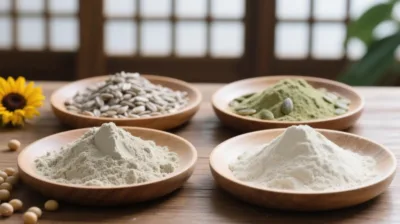
Sunflower seeds and pumpkin seeds are two of the most popular snack seeds in the world. Walk down any grocery aisle and you will find both side by side in the bulk bin section. They show up together in trail mixes, granola bars, and salad toppings across global cuisines. Both are nutritious. Both are versatile. But their nutritional profiles are surprisingly distinct, and each offers a different set of benefits depending on what your body needs.
If you have ever stood in front of those bulk bins unsure which to scoop, this breakdown covers the nutritional comparison, protein, fats, vitamins, and minerals, so you can pick the right seed for your goals. Or, as you will see, why you might want both.
A quick note on terminology: throughout this article we are comparing shelled kernels, the edible inner seed without the hard outer hull. Sunflower kernels are creamy white with faint dark stripes. Pumpkin seeds, often called pepitas, are the flat green seeds from specific pumpkin varieties.
Nutritional profile comparison
Before the detailed analysis, here is a side-by-side comparison per 30-gram serving, roughly a quarter cup.
| Nutrient (per 30g) | Sunflower Kernels | Pumpkin Seeds |
|---|---|---|
| Calories | 175 kcal | 151 kcal |
| Protein | 5.5g | 7g |
| Total Fat | 16g | 13g |
| Carbs | 6g | 5g |
| Fiber | 3g | 1.7g |
| Magnesium | 37mg (9% DV) | 150mg (37% DV) |
| Zinc | 1.5mg (14% DV) | 2.2mg (20% DV) |
| Iron | 1.1mg (6% DV) | 2.3mg (13% DV) |
| Vitamin E | 10.3mg (52% DV) | 0.6mg (3% DV) |
| Selenium | 21μg (38% DV) | 2μg (4% DV) |
The numbers tell a clear story. Pumpkin seeds lead in protein, magnesium, zinc, and iron, nutrients that support bone density, immune function, and blood health. Sunflower kernels dominate in vitamin E, selenium, and fiber, nutrients that protect cells, support thyroid function, and aid digestion. Both are mostly healthy unsaturated fats and low-carb friendly, with only 5 to 6 grams of carbohydrates per serving. That makes both seeds fit low-carb, keto, and paleo eating.
What the raw numbers miss is the broader context. Each seed also carries trace minerals, antioxidants, and bioactive compounds that shape its overall health effects. The sections below show where each one excels.
Where pumpkin seeds win
Magnesium
Pumpkin seeds are one of the best dietary sources of magnesium. A single 30-gram serving gives 150 milligrams, 37 percent of the daily value. Magnesium is involved in over 300 enzymatic reactions in the body, yet a large share of the population does not get enough.
Magnesium supports bone health by helping the body absorb calcium and activate vitamin D. It regulates muscle contraction, helps maintain healthy blood pressure, and supports sleep quality through the neurotransmitter GABA. If you struggle with muscle cramps, stress, or poor sleep, adding pumpkin seeds to your routine is a practical food-based strategy.
Zinc
Pumpkin seeds deliver 2.2 milligrams of zinc per serving, 20 percent of the daily value, against 1.5 milligrams from sunflower kernels. Zinc is essential for immune function, wound healing, DNA synthesis, and protein production. It also supports hormonal health, including testosterone production in men and reproductive health in both men and women.
A single serving of pumpkin seeds supplies enough zinc to make a meaningful contribution to your daily needs. Given that zinc deficiency is relatively common worldwide, adding zinc-rich foods like pumpkin seeds to your diet is a practical nutritional strategy.
Iron
With 2.3 milligrams per serving versus 1.1 milligrams from sunflower kernels, pumpkin seeds contain more than double the iron. Iron is essential for producing hemoglobin, the protein in red blood cells that carries oxygen through your body.
For vegetarians, vegans, and women of childbearing age, all groups at higher risk of iron deficiency, pumpkin seeds are a valuable plant-based iron source. To improve absorption of plant-based iron, pair pumpkin seeds with vitamin C-rich foods like citrus, bell peppers, or tomatoes.
Protein
With 7 grams of protein per serving, pumpkin seeds edge out sunflower kernels by 1.5 grams. They contain all nine essential amino acids, making them a complete protein source. For men looking to raise plant protein intake, pumpkin seed protein for men gives more on the specific benefits of pumpkin seed protein for muscle maintenance and prostate health.
Tryptophan
Pumpkin seeds are one of the best natural sources of tryptophan, which the body converts into serotonin and then melatonin. Combined with their high magnesium, this makes pumpkin seeds uniquely suited as a sleep-supporting food.
Prostate health
Pumpkin seeds contain phytosterols that have been studied for their role in prostate health. Research suggests pumpkin seed consumption may help maintain normal prostate size and support urinary function in men. This is one of the most distinctive health benefits of pumpkin seeds.
Where sunflower kernels win
Vitamin E
This is sunflower kernels’ standout nutrient. A 30-gram serving gives 10.3 milligrams of vitamin E, 52 percent of the daily value. Pumpkin seeds give just 0.6 milligrams. Sunflower kernels are one of the richest food sources of vitamin E in the world, surpassed only by wheat germ oil and certain nuts.
Vitamin E is a fat-soluble antioxidant that protects cell membranes from oxidative damage by free radicals. It supports skin health by protecting against UV damage, plays a role in immune function, and is fundamentally important for long-term cellular health. If your diet runs low in vitamin E, and many do, adding sunflower kernels is an efficient way to close that gap.
Selenium
Sunflower kernels provide 21 micrograms of selenium per serving, 38 percent of the daily value. Pumpkin seeds provide just 2 micrograms. This is the largest nutritional gap between the two seeds.
Selenium is critical for thyroid function. The thyroid gland holds more selenium per gram of tissue than any other organ. Selenium is required to produce thyroid hormones and convert T4 into active T3. It also supports immune health through antioxidant enzyme production.
Fiber
Sunflower kernels contain 3 grams of fiber per serving, nearly double the 1.7 grams in pumpkin seeds. Fiber promotes digestive health by supporting regular bowel movements, feeds beneficial gut bacteria, and contributes to satiety by helping you stay full longer after eating. Just one serving provides 10 to 12 percent of the recommended daily fiber intake. For anyone focused on weight management or digestive regularity, the higher fiber gives sunflower kernels a meaningful advantage.
Folate and copper
Sunflower kernels provide more folate, a B vitamin that supports DNA synthesis and cell division. They are also rich in copper, which works alongside iron to form red blood cells and helps maintain healthy blood vessels and connective tissue.
Healthy fats
Sunflower kernels contain 16 grams of fat per serving against 13 grams for pumpkin seeds. Most is unsaturated, primarily polyunsaturated in sunflower kernels and a mix of monounsaturated and polyunsaturated in pumpkin seeds. Both profiles are heart-healthy. Despite higher fat, sunflower kernels have fewer calories (175 vs 151 per 30g), explained by their higher fiber.
Taste, texture, and culinary uses
Sunflower kernels have a mild, nutty flavor with subtle sweetness and a tender, slightly soft texture. Their neutral taste blends into salads, baked goods, smoothies, trail mixes, and granola. Sunflower butter, made by grinding roasted sunflower kernels into a spread, is a popular nut-free alternative to peanut butter for people with nut allergies. For athletes and active people, sunflower protein made from sunflower kernels is a plant-based option that avoids common allergens like soy and dairy.
Pumpkin seeds offer a mild, nutty, slightly earthy flavor. When roasted, they develop a satisfying crunch and deeper toasted taste that makes them highly snackable. They work on salads, soups, and grain bowls, and are traditional in Mexican cuisine, roasted pepitas are a key ingredient in pipián, a pumpkin seed-based sauce, and they make an excellent pesto base as a pine nut substitute.
Both seeds can be eaten raw or roasted. Raw seeds keep their full nutrient profile. Roasting intensifies flavor but may reduce some heat-sensitive nutrients like vitamin E and certain B vitamins. For roasted seeds, choose dry-roasted over oil-roasted. Oil roasting adds unnecessary refined fats. Dry roasting uses heat alone to build flavor and crunch, and you can roast raw seeds at home in a dry pan or low-temperature oven for full control.
Health benefits comparison
Heart health: Both win. Sunflower kernels support cardiovascular health through vitamin E, which helps prevent the oxidation of LDL cholesterol, a key step in arterial plaque formation. Pumpkin seeds contribute through magnesium, which helps relax blood vessels and regulate blood pressure. Both seed types contain phytosterols that may support healthy cholesterol levels.
Bone health: Pumpkin seeds win. Their high magnesium supports calcium absorption and vitamin D activation, both critical for building and maintaining bone density. Zinc in pumpkin seeds is also a component of bone tissue.
Immune support: Sunflower kernels edge ahead. Selenium and vitamin E together support immune cell function, antioxidant enzyme production, and the body’s defense mechanisms. Pumpkin seeds support immunity primarily through zinc, which is essential for immune cell development.
Prostate health: Pumpkin seeds win. Phytosterols and zinc in pumpkin seeds have clinical research supporting their role in maintaining normal prostate size and urinary function in men. Sunflower kernels do not share this body of evidence.
Thyroid health: Sunflower kernels win decisively. Selenium is required for thyroid hormone production and for converting the storage form of thyroid hormone (T4) into the active form (T3). Sunflower kernels are one of the richest food sources of selenium.
Sleep and mood: Pumpkin seeds win. Tryptophan, which converts to serotonin and melatonin, combined with magnesium’s calming effect on the nervous system, makes pumpkin seeds a natural sleep-supporting food.
Skin health: Sunflower kernels win. Vitamin E protects skin cells from UV damage and environmental stressors, supports skin barrier function, and helps with moisture retention.
Digestive health: Sunflower kernels win. Nearly double the fiber per serving supports regularity, feeds beneficial gut bacteria, and promotes satiety. Each serving provides roughly 10 to 12 percent of the daily fiber recommendation.
Which should you choose?
The choice comes down to your health priorities.
Pick pumpkin seeds if your goals are bone density (high magnesium and zinc), sleep quality (tryptophan plus magnesium), prostate health (phytosterols with clinical backing), more iron (more than double, key for vegetarians and women), immune support through zinc, or simply more complete plant protein.
Pick sunflower kernels if you want skin and cell protection from oxidative damage (vitamin E, a master antioxidant), thyroid support (selenium, critical for thyroid hormone production), immune defense from selenium and vitamin E together, better digestion and regularity (nearly double the fiber), more folate for DNA synthesis and cell division, or more copper for iron metabolism and connective tissue.
For most people, the best approach is to use both strategically. Keep pumpkin seeds for evening snacks when their sleep-supporting nutrients do the most, and use sunflower kernels through the day in salads, smoothies, and bakes for vitamin E and fiber.
Can you eat both?
Yes, and you probably should. Eating both sunflower kernels and pumpkin seeds is one of the simplest ways to broaden your nutrient intake from seeds. They complement each other’s profiles almost perfectly. Where one is weak, the other is strong.
Sunflower kernels bring vitamin E and selenium, two nutrients pumpkin seeds provide only in trace amounts. Pumpkin seeds bring magnesium, zinc, and iron, minerals sunflower kernels contain only at modest levels. By eating both, you cover more nutritional ground.
Combining them is easy. A homemade trail mix with both seeds, plus dried fruit and dark chocolate chips, gives a nutrient-dense snack. Sprinkle both on oatmeal or yogurt. Toss both into salads. Use them in granola, energy bars, or grain bowl toppings.
There is no downside to eating both daily. A tablespoon of each provides meaningful nutrition without excessive calories, roughly 100 to 120 calories for a two-tablespoon mixed serving. You get the antioxidant power of sunflower kernels plus the mineral density of pumpkin seeds in a single handful.
Choosing quality seeds
Not all sunflower kernels and pumpkin seeds are the same. Quality matters for nutrition, flavor, and food safety.
Choose organic certified seeds to avoid pesticide residues. Seeds absorb compounds from the soil, and organic certification gives assurance of purity. This is especially relevant for sunflower seeds, often grown conventionally with significant chemical inputs.
Choose raw or dry-roasted seeds. Oil-roasted varieties add unnecessary refined fats, often from oils high in omega-6 fatty acids. Raw seeds preserve the full nutrient profile, and you can dry-roast them at home if you prefer roasted flavor.
Choose unsalted or lightly salted seeds to control sodium intake. Buying unsalted and adding your own pinch of sea salt lets you manage sodium levels.
Check for freshness. Seeds contain polyunsaturated fats that oxidize and turn rancid when exposed to heat, light, and air. Rancid seeds smell bitter or paint-like. Check the packaging date when buying. Store seeds in a cool, dark place in an airtight container. For longer storage, refrigeration or freezing extends freshness up to a year.
HEMPLAND offers organic sunflower seed kernel and organic pumpkin seed kernel, both raw, unsalted, and sourced from trusted organic farms. Each batch is tested for purity and freshness before it reaches customers.
Conclusion
These two snacks are not competitors. Pumpkin seeds win on magnesium (150 mg, 37% DV per 30 g), zinc (2.2 mg), iron (2.3 mg), and the tryptophan-plus-magnesium combo that makes them a sleep-supporting food. Sunflower kernels win on vitamin E (10.3 mg, 52% DV, one of the richest food sources there is), selenium (21 μg, 38% DV, decisive for thyroid), fiber (3 g, nearly double), folate, and copper. Where one is weak, the other is strong.
The practical move is to eat both. Keep pumpkin seeds for evening snacks when their sleep nutrients do the most, and use sunflower kernels through the day in salads, smoothies, and bakes for vitamin E and fiber. A tablespoon of each is roughly 100 to 120 calories for a two-tablespoon mixed serving, covering the antioxidant power of sunflower with the mineral density of pumpkin in one handful. HEMPLAND’s organic sunflower seed kernel and organic pumpkin seed kernel are both raw, unsalted, and sourced from trusted organic farms, each batch tested for purity and freshness.
Frequently asked questions
Q: Which is more nutrient-dense, sunflower kernels or pumpkin seeds? A: Both are nutrient-rich; pumpkin seeds lead on magnesium and zinc, while sunflower kernels offer more vitamin E and a lighter flavor for snacking and baking.
Q: Are sunflower kernels or pumpkin seeds better for protein snacks A: Sunflower kernels deliver a clean, neutral protein for high-protein snacks; pumpkin seeds add stronger flavor and higher mineral density per serving.
Q: How should these seeds be stored for B2B supply A: Keep both refrigerated or in cool, dry conditions with low oxygen to preserve oils; COA verification is recommended on every lot.
Related articles
—
Recommended Products

Organic Sunflower Seed Kernels
Premium, hulled kernels from organically grown sunflowers, offering a deliciously mild, nutty flavor and…

Organic Pumpkin Seed Kernel
Premium Whole Seed Nutrition for Food, Snack & Oil Applications
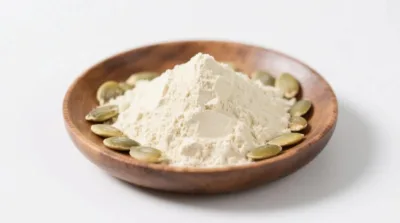
Organic Pumpkin Seed Protein Powder
Organic pumpkin seed protein powder offers ≥60% protein with high magnesium, zinc, and iron…
Related Posts